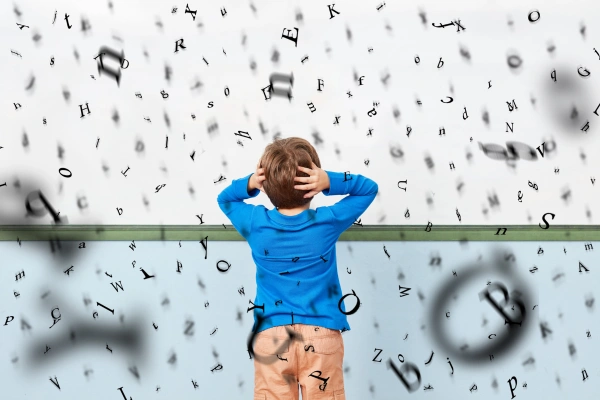

It can be scary to be parents of children with special education needs. There’s an overwhelming amount of information available on the internet, but it’s difficult to know who to trust and what to do, exactly. ONE Intervention understands.
We’re here to streamline the process for you. In this guide to children with special education needs, we give you the basics of what you absolutely need to know to get started. It’s by no means an exhaustive guide, but this is a great place to start if you’re feeling a little lost.
Okay? Okay. Stick with us and read on to find out:
- Special education needs in children
- Common challenges faced by children with special needs
- Additional support in Singapore provided for children with special needs
- Resources for parents

Special education needs in children
The Ministry of Education in 2018 lays down a few conditions for children to be identified with special educational needs. They must:
- Meet the diagnosis of a disability
- Need different and/or additional resources beyond what is available for majority of their peers
- Shows more difficulty in learning and/or using educational facilities catered towards the majority of their peers.
Hence, a child with special needs will require support beyond what is typically provided. In short, a child with special educational needs develops at a different pace in terms of physical and behavioural growth. Thus, they require certain accommodations from schools to aid this development.
These accommodations are known as special education needs (SEN).
What are some types of special education needs in children?
- Autism spectrum disorder (ASD): Neurodevelopmental disorder characterised by repetitive, restricted behaviours and interests, as well as challenges with communication and social interaction.
- Attention Deficit Hyperactivity Disorder (ADHD): Neurodevelopmental disorder characterised by hyperactivity, impulsiveness and inattention
- Intellectual Disabilities: Challenges with cognitive function and adaptive behaviour.
This article by Kaleidoscope Therapy goes into further depth about the types of special education needs in children. We’ve also written quite a few resources on each of the abovementioned special education needs, so click on the green links to find out more, if you’d like to!
How do you assess a child with special needs in Singapore?
Observation

Parents, teachers and healthcare professionals observe the child’s behaviours. They compare this against developmental milestones expected of the child’s age and look out for unusual behaviours.
Some examples of unusual behaviours for a child entering Primary 1 can include:
- Finding it difficult to write their name
- Facing challenges when communicating with others
- Difficulty with understanding and following a short story, read aloud to them.
More examples of what to look out for should a child have special education needs can be found in this article, by the Ministry of Education.
Evaluation by Professionals
Professionals conduct several formal assessments to determine the level of support that the child requires. These assessments are standardised and based on research done by experts. Some examples of these include:
- Ages and Stages Questionnaire (AEPS)
- Vineland Adaptive Behaviour Scales (VABS)
- Behaviour Assessment System for Children (BASC).
For a more detailed list of assessment tools and the full walkthrough of the evaluation process, click here.
Diagnosis and Individualised Education Plan
If a special need is identified, a diagnosis is made by the professional. Our child psychologist then works with the parents and caregivers of the child to form an Individualised Education Plan (IEP).
The purpose of this plan is to provide personalised support to the child with special needs. This IEP is then taken into account for the accommodations offered in the child’s special education needs.
Common challenges special needs children face
Social interaction
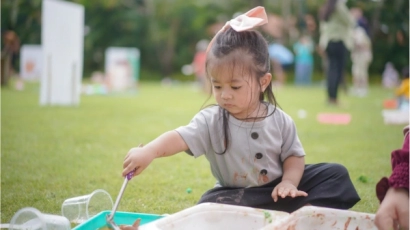
Children with special needs can face challenges when communicating with their peers. This is particularly true for children diagnosed with autism spectrum disorder.
They may find it difficult to pick up on non-verbal cues, such as body language and eye contact. Alternatively, they may prefer to play alone, which could result in them having fewer friends than expected for peers their age.
For more information on what children with special needs (particularly autistic children) may find challenging, click here.
Behavioural development
Children with special needs will have a different developmental pace than their peers. Their behaviour may be slightly unusual, in the sense that they will reach developmental milestones later than expected.
For example, at six years old it’s expected for the child to be able to tie their own shoelaces. They should be able to differentiate between their right and left. Moreover, they are able to coordinate their physical movement to skip ropes.
However, a child with special needs may struggle to do the above. This is not to say that they are incapable of achieving said developmental milestones. However, they will need more time and patience than their peers without special needs.
Emotional Regulation
According to this article by the College of Allied Educators, children with special needs may have difficulty expressing their emotions in an appropriate way.
For example, they may be more prone to meltdowns than the average child. Often, this is not due to a desire to act out. Rather, said meltdowns are due to external factors such as overstimulation or a need to communicate overwhelming emotions. We talk more about it in this article.

Additional support for children with special education needs in Singapore
There are several support systems in place for children with special education needs to tap into in Singapore. The professional who diagnosed the child with their disability should also work with parents to find out what support best suits said child.
Broadly, these fall under two categories: Special Education Schools (SPED) or accommodations in mainstream schools.
Special education schools
Special education schools provide more intense support than mainstream schools. They are designed to provide children with a more customized curriculum that provides a higher level of educational support due to special education needs.
Moreover, special education schools are supported by specialised personnel. These include:
- Speech and language therapists
- Occupational therapists
- Psychologists
- Social workers

Every student in a SPED school has an individualised education plan. This is tailored to their unique learning needs to provide the child with even more comprehensive support.
Accommodations in mainstream schools
If the child has been assessed to have the cognitive and adaptive skill to access the national curriculum and mainstream learning environment, they may be recommended to be placed in a mainstream school instead.
However, they will still receive accommodations in the mainstream school to better support their learning. For example, they will benefit from specialised personnel such as Teachers Trained In Special Needs (TSN) and Special Educational Needs Officers (SEN Officers).
There are also several support programmes available. These include
- Learning Support Programme (LSP) and Learning Support Mathematics (LSM) for Primary 1 – 2 students who require additional support for literacy or numeracy skills, respectively
- School-based Dyslexia Remediation (SDR) programme for Primary 3 – 4 students with dyslexia.
This is not an exhaustive list of support and accommodations available in mainstream schools. However, SG Enable has compiled a more comprehensive guide to the accommodations for special education needs in Singapore. It can be found here.
Resources for Parents
Ministry of Education Website

MOE’s website has a complete guide to the support available for children with special education needs in mainstream and special education schools.
This includes a guide map for the pathways available for children with special education needs. Also, there is a helpful section on how to apply for a special education school, as well as FAQs for applying to mainstream or special education schools.
The abovementioned guides, maps, FAQs et cetera can be accessed here.
SG Enable

SG Enable is also an immensely useful resource for parents of children with special education needs. They offer information on early intervention and programmes for children with special education needs starting from Kindergarten.
Their website also provides a list of preschool subsidies for children in order to help families who may be in need of financial assistance. More information about the support systems in place in mainstream schools and special education schools can also be found on their website.
Said website is accessible here.
ONE Intervention

More resources on special education needs, learning disabilities and neurological disorders can be found on our Resources page.
We also offer assessment and evaluation services by our child psychologist, as well as a variety of Programmes catering to children with special needs. For more information, feel free to drop us a comment below or to contact us here today.