

Starting school is a big milestone for both young children and parents. Students will start to make friends and learn many things to become smart, capable people. It is natural to feel worried about how your child would do in school, especially if he or she has some developmental needs, and needs additional support.
When your child starts school, there would be changes, such as a new environment, new routines and new people. He or she may also be anxious to leave home for the first time. Every child would have their own unique challenges. But if you follow this simple guide, you and your child will have a worry-free start in school.
Preparing Your Child Before the First Day
Before you focus on day one, spend some time making the idea of school familiar to your child. For example, talk about school positively. Tell some stories about your memories of starting school. You can also read storybooks aloud with relatable characters who are also on the first day of school. You can even roleplay or act out social stories about school to boost your child’s confidence.

Building routines is also important. Talk with your child about when he or she needs to play, do homework and sleep, and then create a daily schedule around it. In a few weeks before school, practice bedtime, wake-up time and other tasks so the both of you are well-rested and not rushing in the morning. If it’s possible, visit the school or classroom ahead of time so your child can understand the new environment better.
Your child can also prepare by strengthening his or her skills before starting school. Firstly, make sure your child can follow basic instructions and ask for help from a teacher. Recognising his or her own name, whether written or spoken, helps a long way like with reading labels. Teach your child about putting on their clothes or uniforms, especially working on fastenings. See if they can do tasks independently like tidying up and using the bathroom.
Becoming Emotionally Ready for School

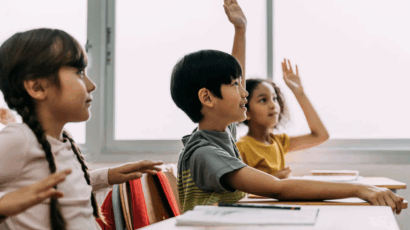
Make sure the both of you are emotionally ready. It’s crucial that you stay calm and positive so your child can do the same. At the same time, tell him or her it’s normal to feel scared. Create a space where you and your child can talk about anything. You can also let your child take part in buying school supplies and build up interest in what subjects they would learn soon. If needed, you can even allow your child to bring a comfort item from home.
Building Support with Teachers and Parents

You may have your own storm of feelings about your child starting school. But the good news? You’re not alone. Other parents and guardians also feel worried or anxious. It can be helpful to connect and build a support network with them. Ask the school if they have any schemes or opportunities to join like parent groups and school committees. That way you and other guardians can help each other with parenthood.
While your child is in school, openly communicate with teachers and other relevant personnel. Doing so, you can further create a supportive learning environment. Share your child’s interests and strengths, and your tips on helping your child if there’s an emergency or triggering situation. You can also connect school staff with your child’s medical or early intervention professionals so they can figure out the best arrangement.
And here are the basic steps for a worry-free transition into school. Preparing for the big day makes a big difference to make it as smooth a process as possible. Remember that every child adapts to school at their own pace. And if your child would enjoy being at school, it’s already an excellent start.