




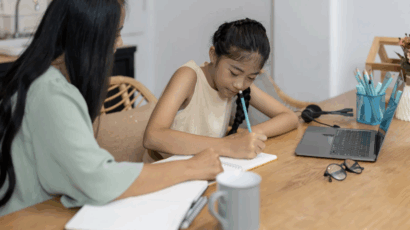

If you had ever helped your child doing homework, it may usually feel like a battlefield. Parents understandably want their children to finish on time and have the right answers to get the highest marks. On the other hand, children may feel tired, distracted, or overwhelmed. This is because there’s one important thing that often gets overlooked when you’re helping with homework. And that is … connection.
Helping with homework should not just be about academic success, but also nurturing the parent-child bond. They need encouragement, empathy and reassurance – way more than getting the perfect grade. But if you only focus on school performance, your child may feel more stress or frustration from trying to live up to expectations.
Focusing on connection while helping with homework brings powerful benefits, like:
When children feel understood and supported by a loved one, they’re much more open to learning and developing study skills.
So what are some simple strategies to make a positive homework time?
Be empathetic
Acknowledge your child’s feelings and say it’s okay to be a little worried. Talk to them about the topics or tasks they have the most trouble with. That way, you have a better idea how to guide your child through their journey of learning.
Encourage but don’t correct yet
Leave the marking for the tutor or teacher. Homework time is about appreciating your little one’s hard work, not pressuring them to be perfect. Start praising their effort before offering guidance for fixing one or two mistakes.
Take breaks together
Give them a ten-minute break to snack, rest or play with you. Many learners find it useful to space out tiny breaks when they have a lot of tasks. These ‘recharging’ times helps your child to regain energy and connect with their family.
Set the scene
Choose a calm well-lit spot and store school supplies nearby. Decide on a time when they are refreshed enough to work comfortably. You can even sit beside them and do some work or reading to set a good example on being productive.
End on a positive note
After your child finishes, celebrate what they’ve accomplished and say “You worked really hard today, I’m proud of you.” Recapping your session can instil in your child that learning is about progress, taking little steps towards success.
Remember that helping with homework is not about ‘getting it right’, but ‘helping your child to grow’. When your child focuses on effort and persistence, homework becomes more meaningful.
Mistakes become chances to learn. Persistence and patience become as important as correct answers. Children begin to see themselves as capable learners, not just grade-chasers.
Children thrive best in a supportive environment where they feel safe, understood, and encouraged. This growth mindset also nurtures independence and curiosity.
You may also enjoy: Building Independence in Children with ADHD.
To recap, parents often forget while helping with homework it’s not about doing well with sums or spelling tests, but rather connecting with your child. By focusing on connection over correction, homework can be less of a battle and more a bonding opportunity. Parents who offer encouragement, empathy, and a supportive environment help their children not just with homework, but with life-long learning!