
Why ONE › Our approach
Our approach
Our approach: 7 Pillars of Growth
A plan built around your child, goals in seven areas of development, and progress you can see every week.
📍 Eunos, Singapore · near Paya Lebar, Joo Chiat and Katong
How it works
Your first month at ONE
Five small steps. Tap each one.
WhatsApp us
Tell us a little about your child. We usually reply the same working day, with a few friendly questions. No commitment.
Visit a centre
See the classrooms and meet the team at Hexacube or Centropod, both a 5-minute walk from Eunos MRT. Your child is welcome to come along.
Placement assessment: about 1 hour
Mostly play, with our child psychologist. Tap a step to see what happens.
We say hello, show your child around and let them warm up with toys. You tell us what you’ve noticed and what you’d like help with.
- Bring any reports you have
- Shy or unsettled is completely normal
Our child psychologist plays and works with your child to see how they communicate, play, learn and cope. It feels like play to your child.
- No tests to pass or fail
- We go at your child’s pace
You get verbal feedback straight away: your child’s strengths, what to work on first, and the programme we recommend.
- A recommended plan on the spot
- Goals across the 7 Pillars
Ask anything: the timetable, which centre, how we track progress, and the fee guide.
- No pressure to decide on the day
- We confirm class and start date after you decide
About 60 minutes in total
Not a diagnosis. It’s for planning and placement. You leave with clear feedback and a recommended plan. More about the assessment →
Lessons begin
Your child gets goals in all 7 Pillars and a recommended class. Small groups of at most 3 children per teacher, or 1:1, using evidence-based methods through play.
We share ideas for home, and work with helpers, school teachers and other therapists so skills carry over.
Your monthly report
Goals are tracked every week. Each month you get a short report: every goal, how it’s going, a note from the teacher and one thing to try at home.
7 Pillars of Growth
Growing the whole child
Talking, friendships, feelings and independence grow together, so every child has goals in all seven areas, not just one. Tap a friend to meet them.
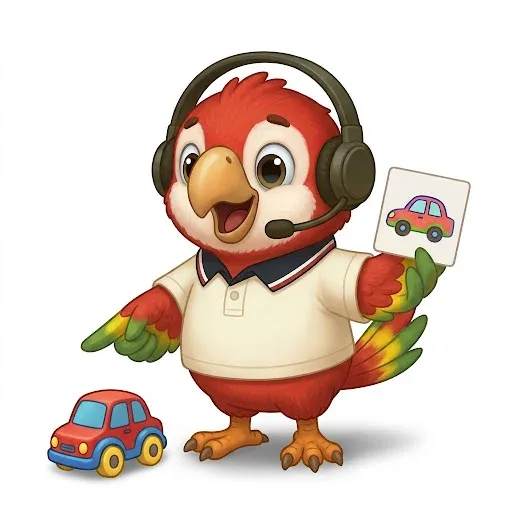
Speech & Communication
with DJ Chatty
Words, gestures and pictures to ask, answer and share.

Social
with Best Buddy
Turn-taking, play and making friends.
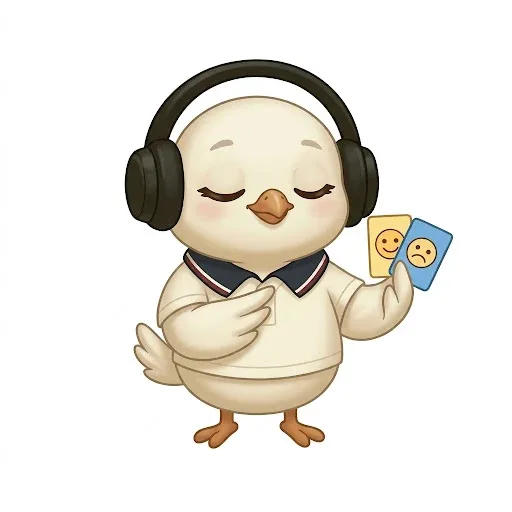
Emotional
with Ms Lulu
Naming feelings and calming down. It’s okay to feel angry or sad.

Behavioural
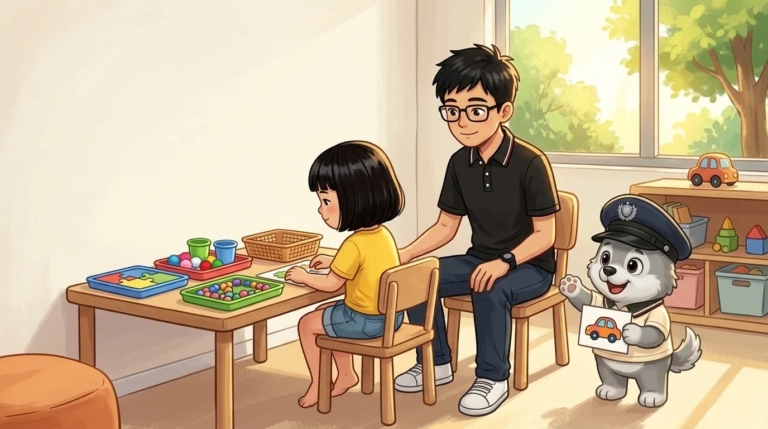
with Officer Kai
Following routines and clear expectations, with lots of praise.

Self-help
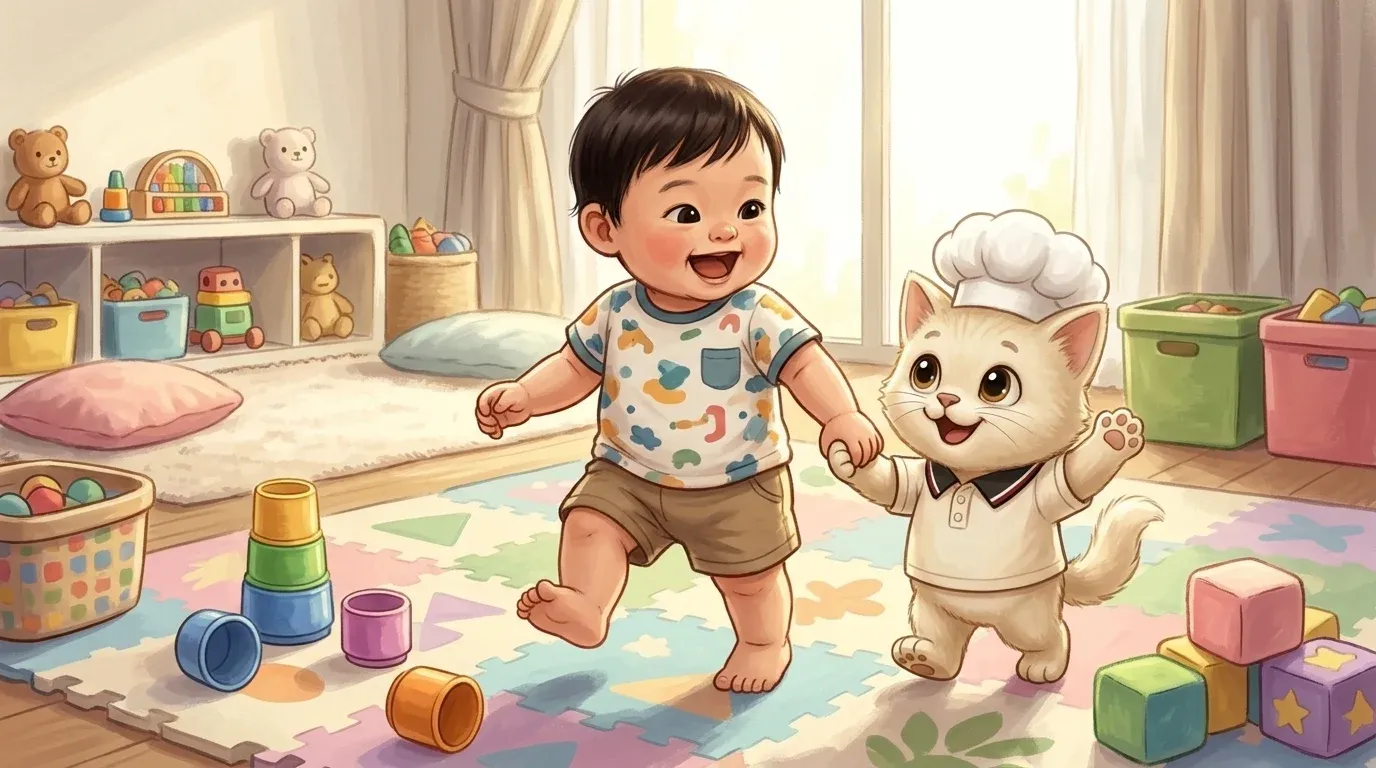
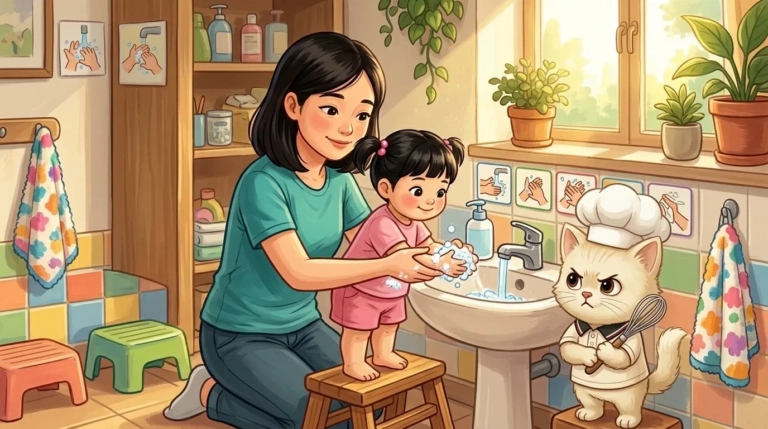
with Chef Mochi
Eating, dressing, toileting and everyday independence.
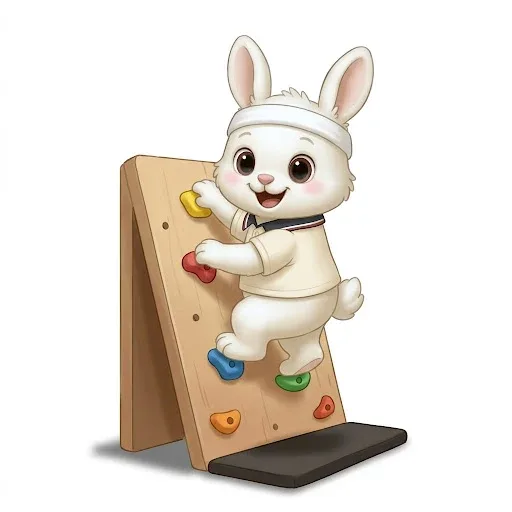
Physical
with Ninja Nina
Balance, climbing, hand strength and pencil grip.
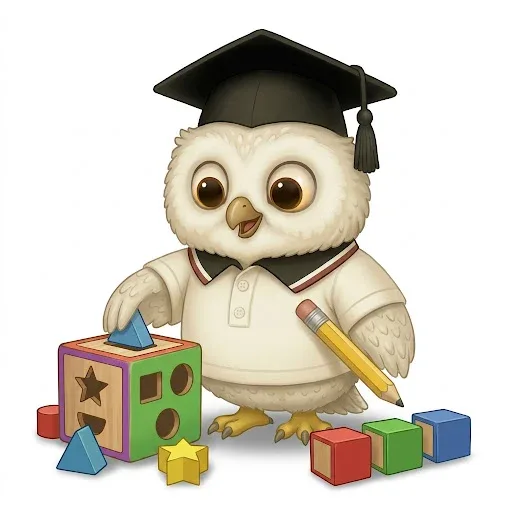
Academic
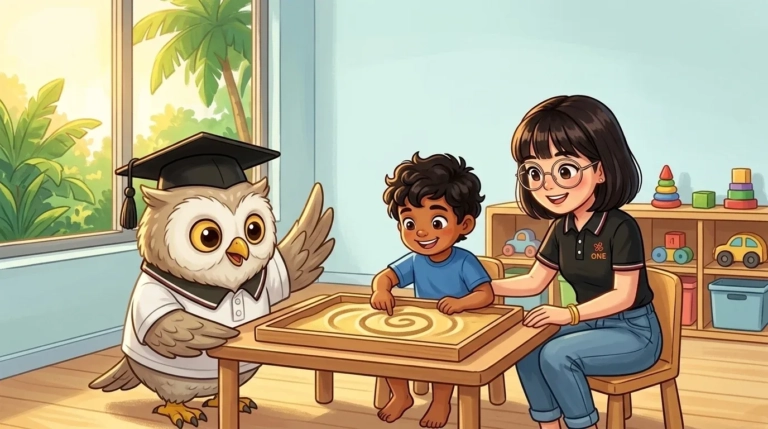
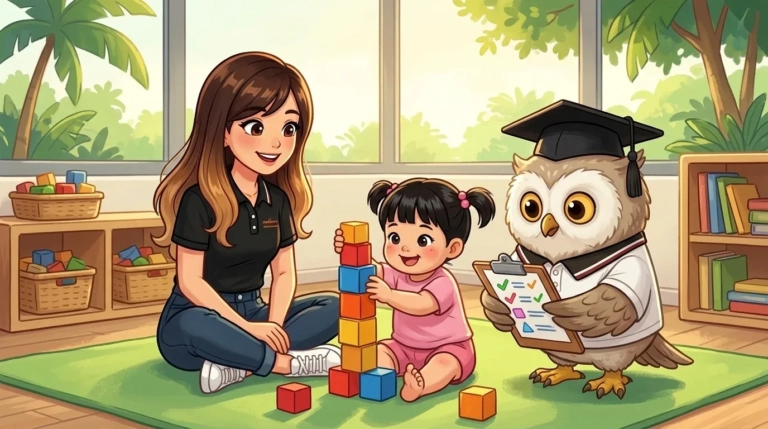
with Professor Hoo
Early reading, writing and numbers, at your child’s pace.
Methods we use
Proven methods, chosen for your child
You don’t have to pick. Tap what you’d like help with.
1-minute guide
Which method might help my child?
Answer 3 quick questions and we’ll show you which methods to read about first.
Or browse all 10 methods:
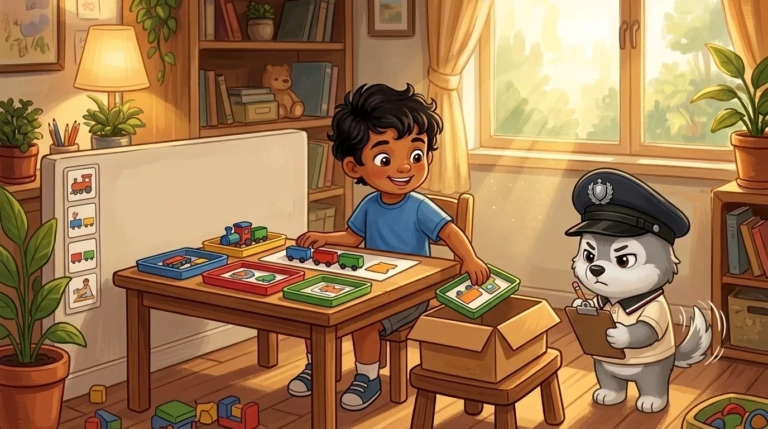 Free printableTEACCHClear routines and organised spaces
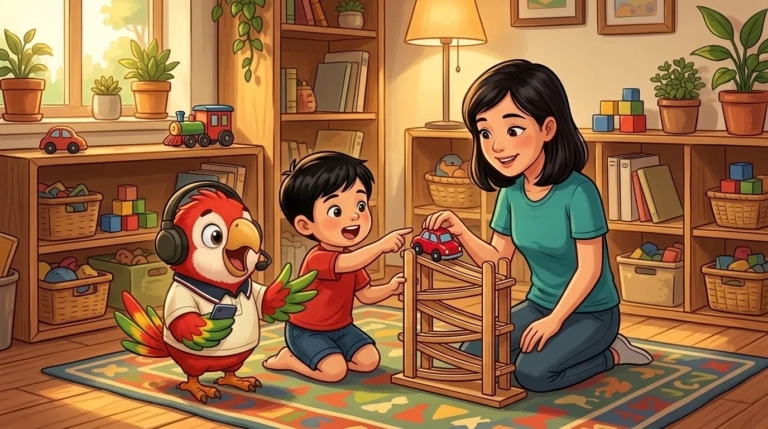 Free printableABA-informed teachingClear goals and lots of praise, through play
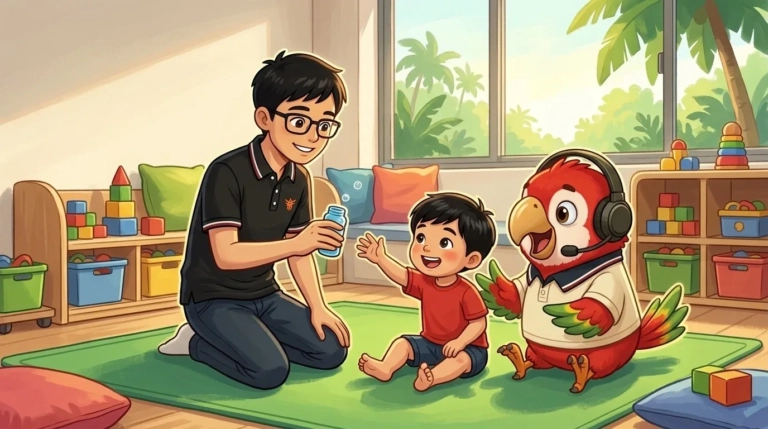 Free printableVerbal BehaviourTeaching what words are for
 Free printableHanen (OWL)Observe, Wait, Listen, every day
 Free printableOrton-GillinghamStep-by-step reading and spelling
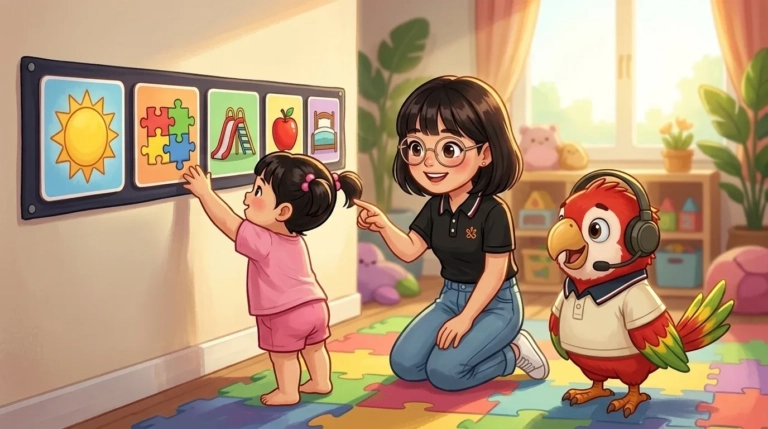 Free printableVisual supportsPictures that make the day predictable
 Free printableStructured tabletopShort tasks that build focus
 Free printablePositive behaviour supportUnderstand behaviour, teach a better way
 Free printablePrompting that fadesJust enough help, then less
 Free printableAEPSPlanning from what your child can already do
Not sure which fits? Our child psychologist picks the right mix at the placement assessment.
What you receive every month
A progress report you can actually read
Goals across all 7 Pillars, scored every week by your child’s teachers, with a note on what’s next and one thing to try at home.
Swipe the table to see weeks 1–4 →
| Pillar | This month’s goal | Weeks 1–4 | Help needed |
|---|---|---|---|
| Communication DJ Chatty | Asks for a wanted item with 2 words (“more bubbles”) | 1 · 2 · 2 · 3 | Visual → verbal prompt |
| Social Best Buddy | Takes 3 turns in a simple game with a friend | 1 · 1 · 2 · 2 | Gestural prompt |
| Emotional Ms Lulu | Uses a calm-down card when upset | 0 · 1 · 2 · 3 | Verbal prompt |
| Behaviour Officer Kai | Finishes a 5-minute table task with a first-then board | 2 · 3 · 3 · 4 | Independent |
| Self-help Chef Mochi | Washes hands by following picture steps | 2 · 3 · 3 · 3 | Visual prompt |
| Physical Ninja Nina | Climbs 4 holds on the climbing wall | 1 · 2 · 3 · 3 | Physical → gestural prompt |
| Academic Professor Hoo | Sorts objects by 6 colours | 3 · 3 · 4 · 4 | Independent |
Scoring: 0 not attempted · 1 not yet · 2 emerging · 3 with a little help · 4 mastered (done on their own for at least 4 weeks)
Child A started asking for bubbles with two words this month, and used her calm-down card twice on her own. Next month we’ll practise turn-taking with a friend at snack time.
At snack time, hold the cup and wait 5 seconds before handing it over, so she has a chance to ask.
Real reports are private and shared only with parents. We share a report with your child’s preschool or school only when you ask us to.
FAQ
Questions parents ask
Is this the same as Q-Pulse?
Yes. Our approach used to be called Q-Pulse. The 7 Pillars of Growth is the updated name for the same child-centred way of planning goals and tracking progress across each area of development.
How long is the assessment?
About one hour: a short introduction, 20 to 30 minutes of assessment with our child psychologist, then a discussion of the results and your questions.
Is the assessment a diagnosis?
No. It’s a placement assessment to plan your child’s goals and programme. If a formal diagnosis is needed, we’ll explain the pathway and who to see.
Is ONE an ABA centre?
We’re ABA-informed: we use ABA principles such as clear goals, positive reinforcement and progress tracking, taught through play rather than drills, alongside TEACCH, Verbal Behaviour, Hanen and Orton-Gillingham.
What are the 7 Pillars of Growth?
Communication, social, emotional, behaviour, self-help, physical and academic skills. Every child has goals in all seven.
How will I know my child is progressing?
Goals are tracked every week and you receive a progress report every month.
Every child grows at their own pace.
You don’t have to figure it out alone. Visit either centre and meet the team.
★ 5.0 on Google · We usually reply the same working day