
Who we help › Struggling at school
Learning & attention
Child Struggling in Primary School? Learning Support in Singapore
Falling behind, can’t sit still, or homework ends in tears? We find what’s getting in the way, and teach the skills to move forward.
📍 Eunos, Singapore · 5 minutes from Eunos MRT, easy to reach from Paya Lebar, Bedok and Geylang
✓ Reviewed by Grace Teo, child psychologist (Master’s in Educational Psychology) · November 2026
What you’re noticing
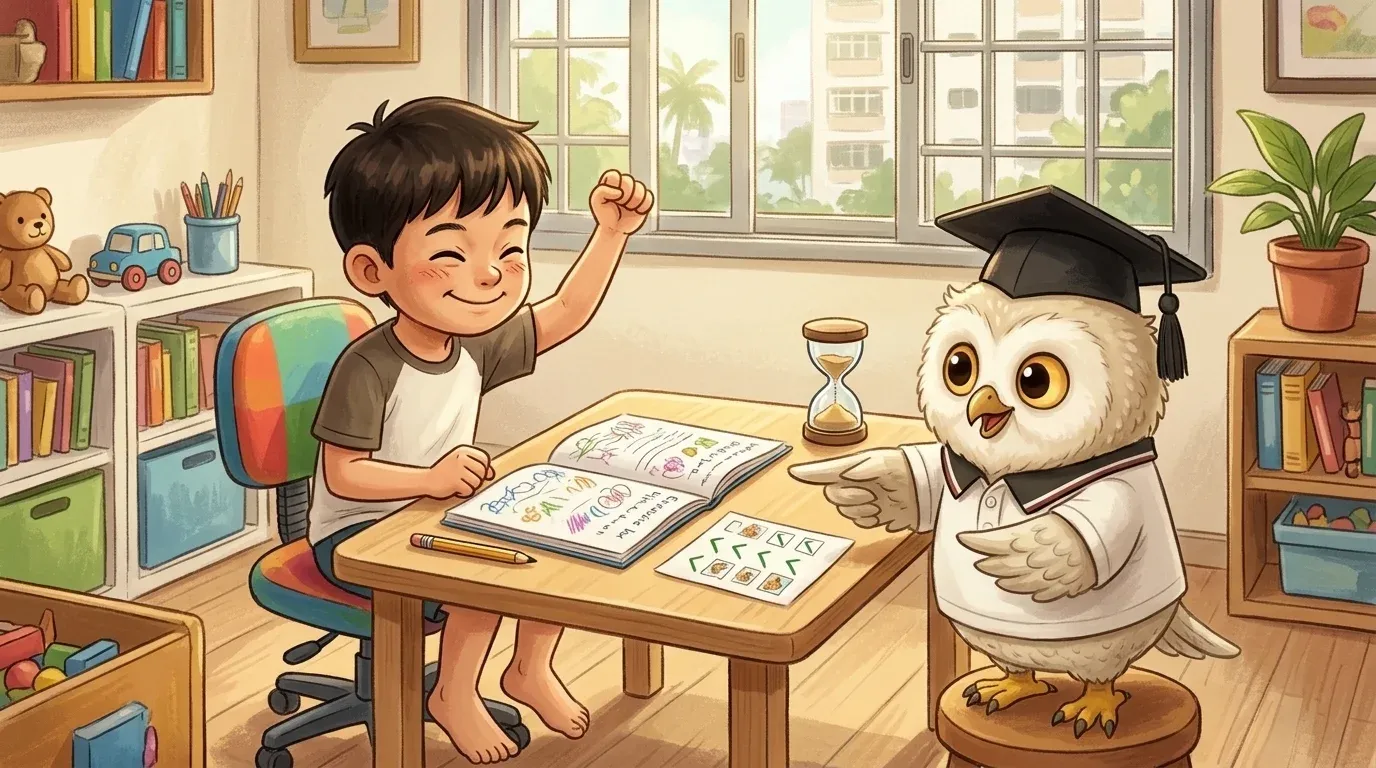
Signs your child is struggling at school
When school feels hard, children often stop trying to protect themselves. The right support brings the effort back.
- Falling behind in reading, spelling or maths
- Teachers say they’re bright but “not trying”
- Can’t sit still or stay on task
- Homework takes hours, or ends in tears
- Forgets instructions or loses belongings
- Is losing confidence, or says “I’m stupid”
Understanding it
What’s getting in the way?
Learning difficulties often come down to a few underlying skills: linking letters and sounds, working memory, attention, organisation, or how quickly a child processes information. At ONE in Singapore, our placement assessment shows where to start, and Primary Plus or 1:1 sessions rebuild those skills alongside school.
How do I know if my child is struggling in school?Watch for falling marks, avoidance and changes in mood.
Signs include falling behind in reading, spelling or maths, homework taking far longer than it should, avoiding schoolwork, saying ‘I’m stupid’, tummy aches before school, or teachers saying your child is bright but not trying. Talk to your child’s teacher to compare what they see in class.
What if my child doesn’t want to go to school?Find out what’s behind it, and work with the school.
Reluctance to go to school can come from learning difficulties, friendship problems, anxiety or bullying. Stay calm, listen, keep the morning routine predictable, and talk to the teacher. If it continues or your child is very distressed, speak to your doctor or a psychologist.
How ONE helps
Where we often start
Every child has goals in all 7 Pillars of Growth, set at the placement assessment. For struggling at school, we often start here.


Programmes that fit
Where your child could start
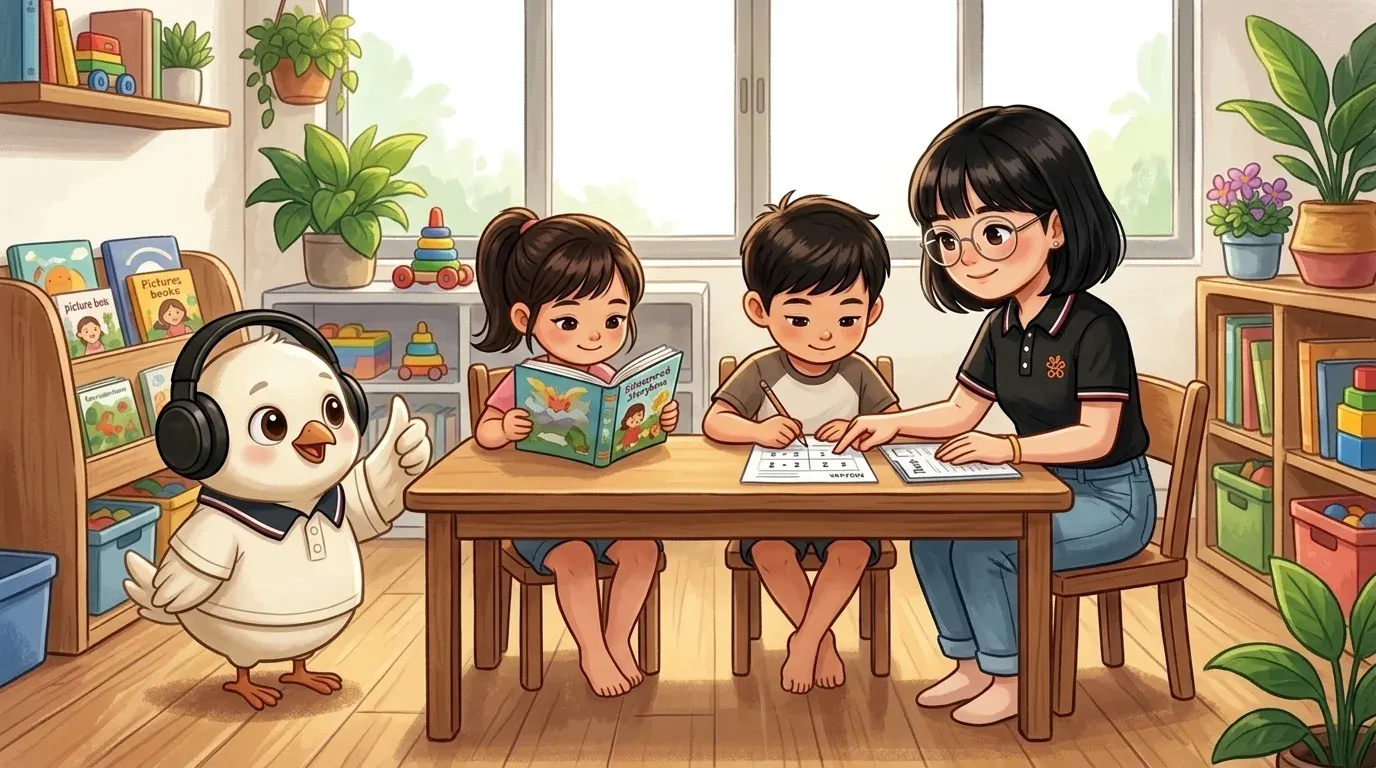
Our psychologist recommends the right fit after meeting your child.
 7 – 12Primary Plus
 All ages1:1 Education Therapy
 7 – 12Life & Learning
Try at home
Three things you can start today
FAQ
Questions parents ask
How do I help my child who is struggling in school?
Find out which skills are hard, keep homework short and structured, praise effort, and work with the teacher. A learning assessment can show whether reading, attention or organisation is the main barrier.
What can I do if my child can’t cope with school?
Take it seriously and talk to your child and their teacher. Look at learning, friendships and worries. Support can include learning help, adjustments at school, and help with anxiety if needed.
Is this the same as tuition?
No. Primary Plus and 1:1 run alongside school, but instead of preparing for the next test we work on the skills underneath: reading, attention, organisation and confidence.
Do you diagnose dyslexia or ADHD?
Our assessment is for placement, not a diagnosis. If a formal assessment would help, our psychologist will tell you and explain the options.
Can we come on Saturdays?
Yes, for 1:1 sessions. Primary Plus runs on weekdays.
What happens next
Four simple steps
No commitment until you’ve met us.
Every child grows at their own pace.
You don’t have to figure it out alone. Visit either centre and meet the team.
★ 5.0 on Google · We usually reply the same working day