
Who we help › Toilet training
Toilet training
Toilet Training Children with Special Needs: Help in Singapore
Still in diapers, scared of the toilet, or lots of accidents? We break toilet training into small, predictable steps that work at the centre and at home.
📍 Eunos, Singapore · 5 minutes from Eunos MRT, easy to reach from Paya Lebar, Bedok and Geylang
✓ Reviewed by Grace Teo, child psychologist (Master’s in Educational Psychology) · November 2026
What you’re noticing
Signs your child may need toilet training support
Many children need more time and more structure to learn the toilet, and that’s okay. Calm, consistent routines make the biggest difference.
- Still in diapers at an age when most friends aren’t
- Won’t sit on the toilet, or gets upset in the toilet
- Doesn’t seem to notice being wet or soiled
- Holds on, or only goes in a diaper
- Was trained, but has started having accidents again
Understanding it
Why toilet training can take longer
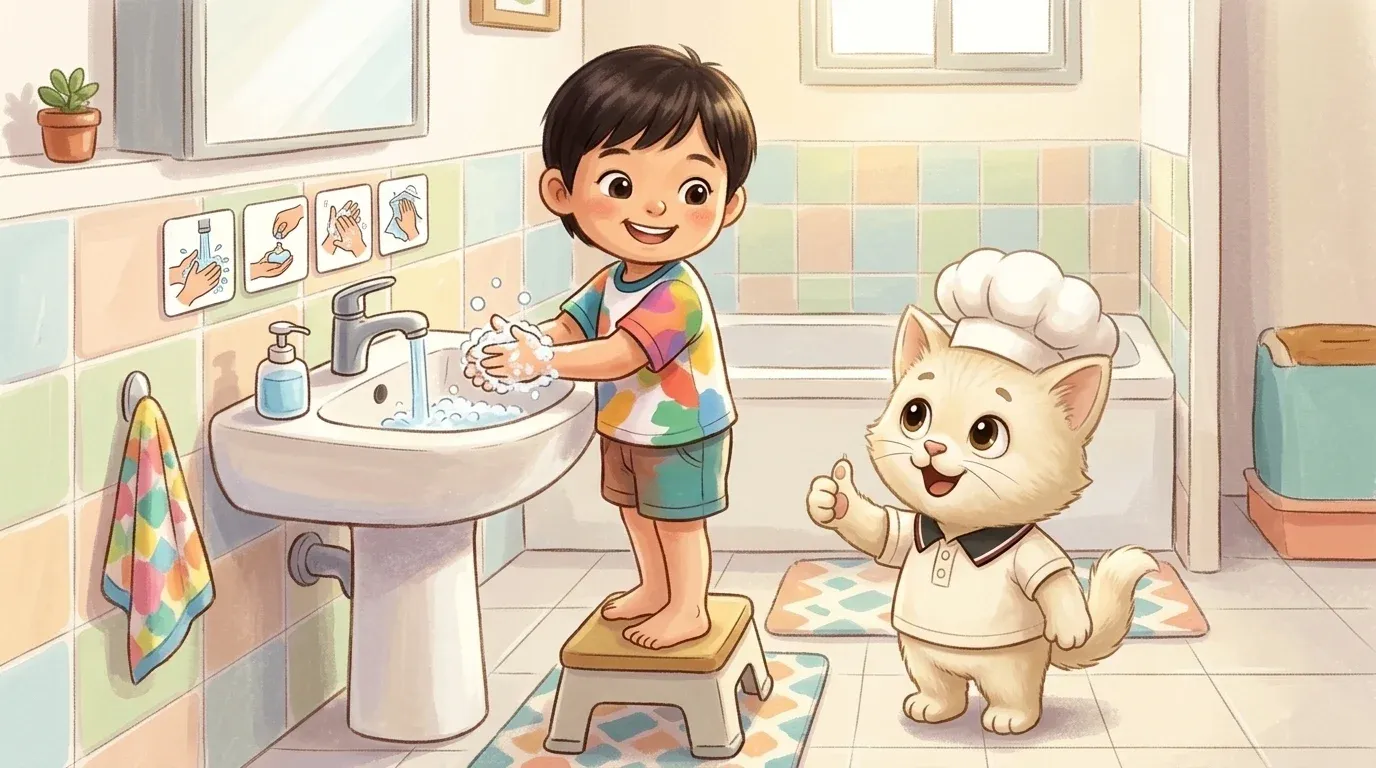
Toilet training (or potty training) needs body awareness, communication, motor skills and confidence all at once. Children with developmental delays, autism or sensory differences often need it broken into smaller steps. At ONE in Singapore, we use a picture sequence for each step, regular toilet times and lots of praise, and share the same routine with you so home and centre match.
Methods we useVisual step-by-step sequences, TEACCH routines, Positive reinforcement
How do you toilet train a child with special needs?Small steps, pictures and a set routine.
Start when your child shows some readiness, such as staying dry for an hour or two. Use a picture sequence for each step, take your child to the toilet at regular times, keep the language the same every time, and praise every step, not just success. Expect it to take longer, and keep it calm.
Do children with autism struggle with toilet training?Often, yes, and it can be learned.
Many children with autism train later, because of sensory sensitivities, difficulty noticing body signals, communication and a preference for routine. Visual supports, predictable routines and gentle desensitisation, for example to the flush noise, help a lot.
How ONE helps
Where we often start
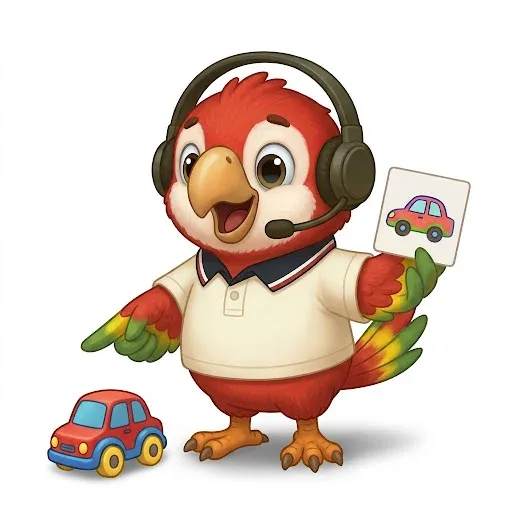
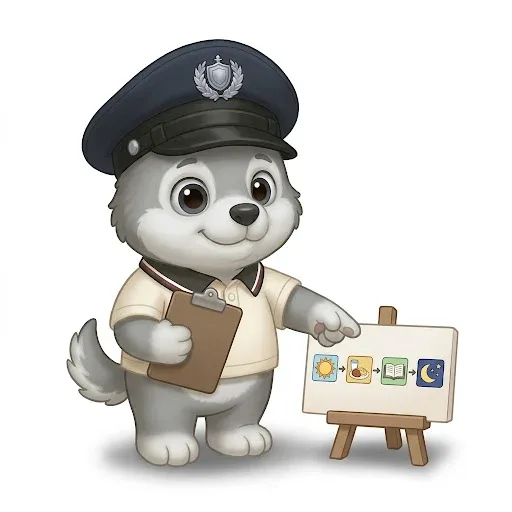
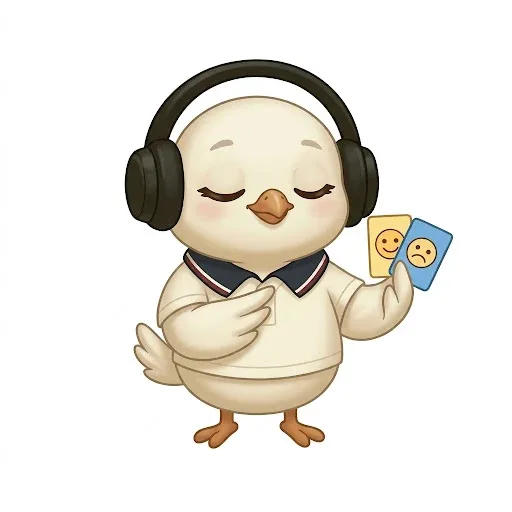
Every child has goals in all 7 Pillars of Growth, set at the placement assessment. For toilet training, we often start here.

Programmes that fit
Where your child could start
Our psychologist recommends the right fit after meeting your child.
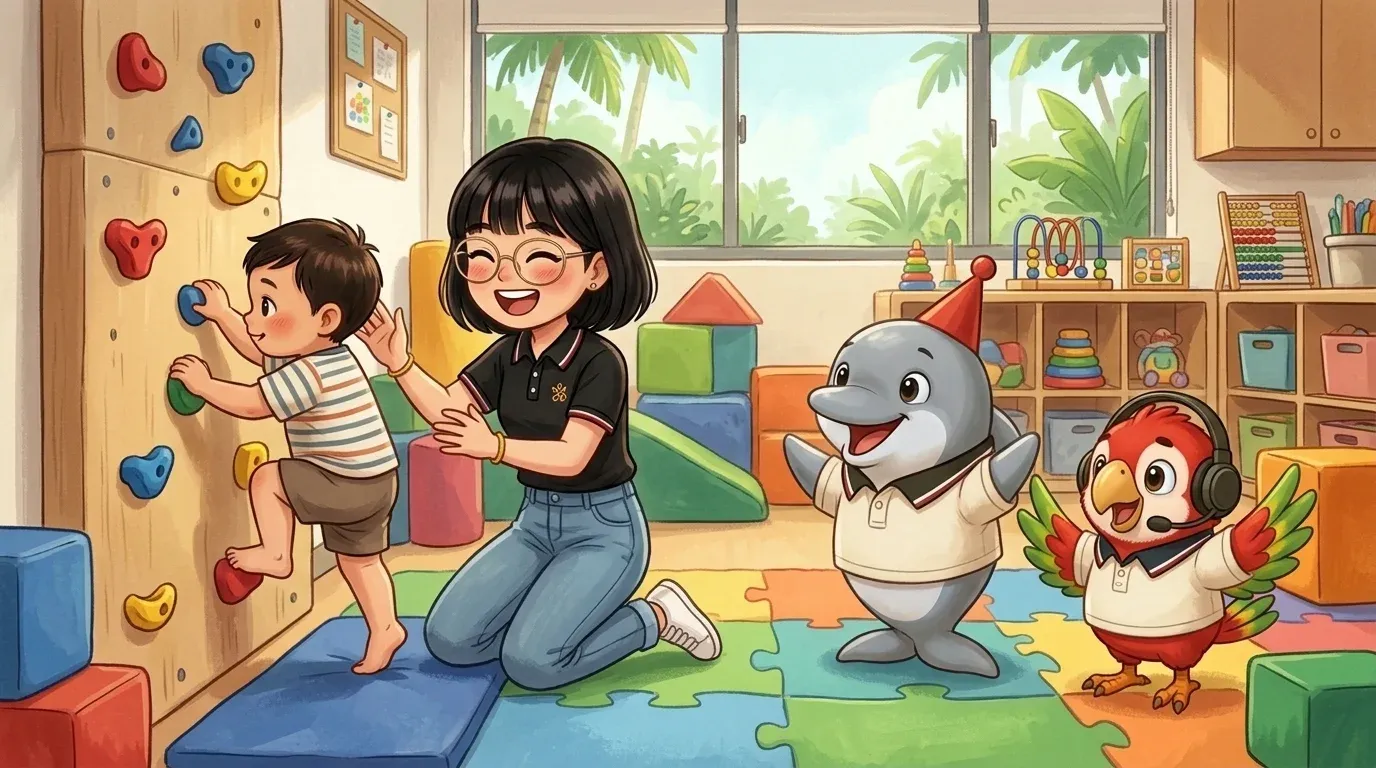 18 months – 6Early Intervention
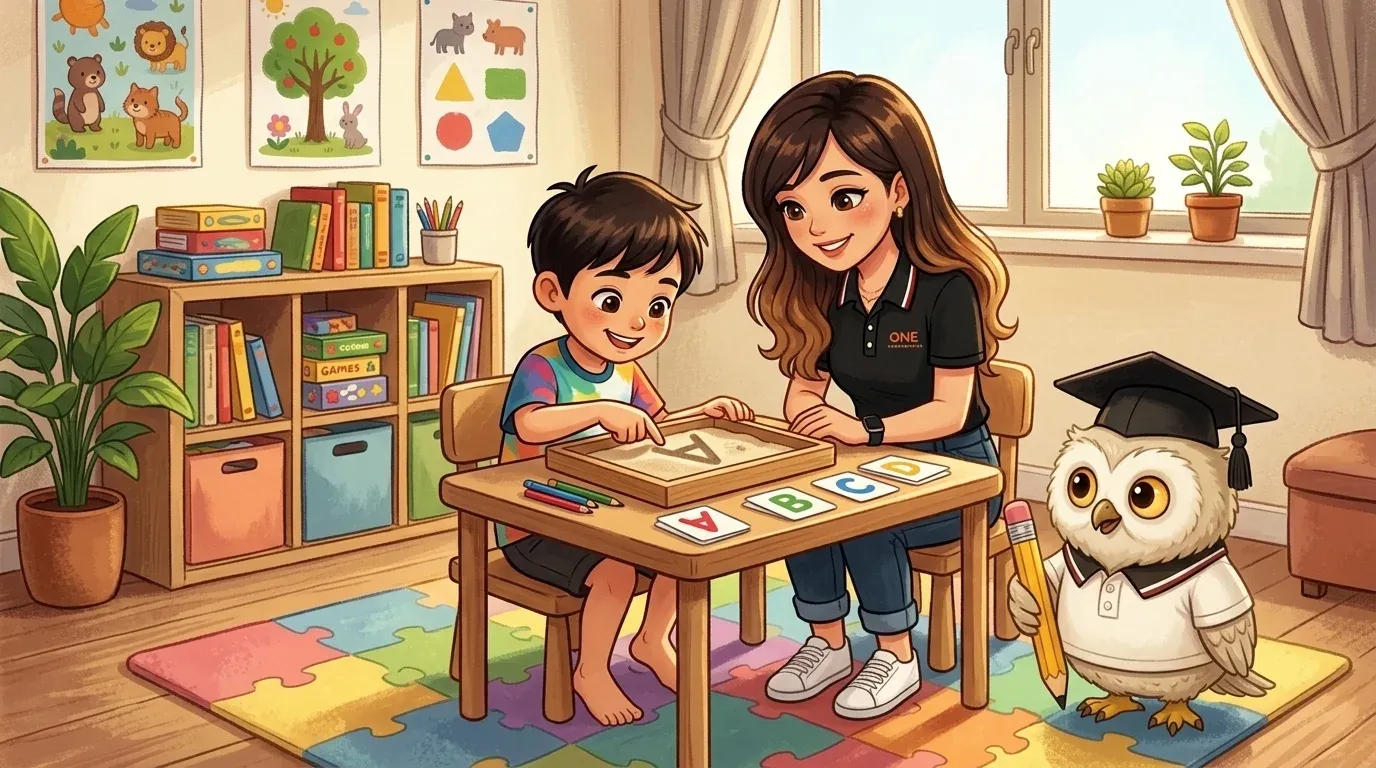 All ages1:1 Education Therapy
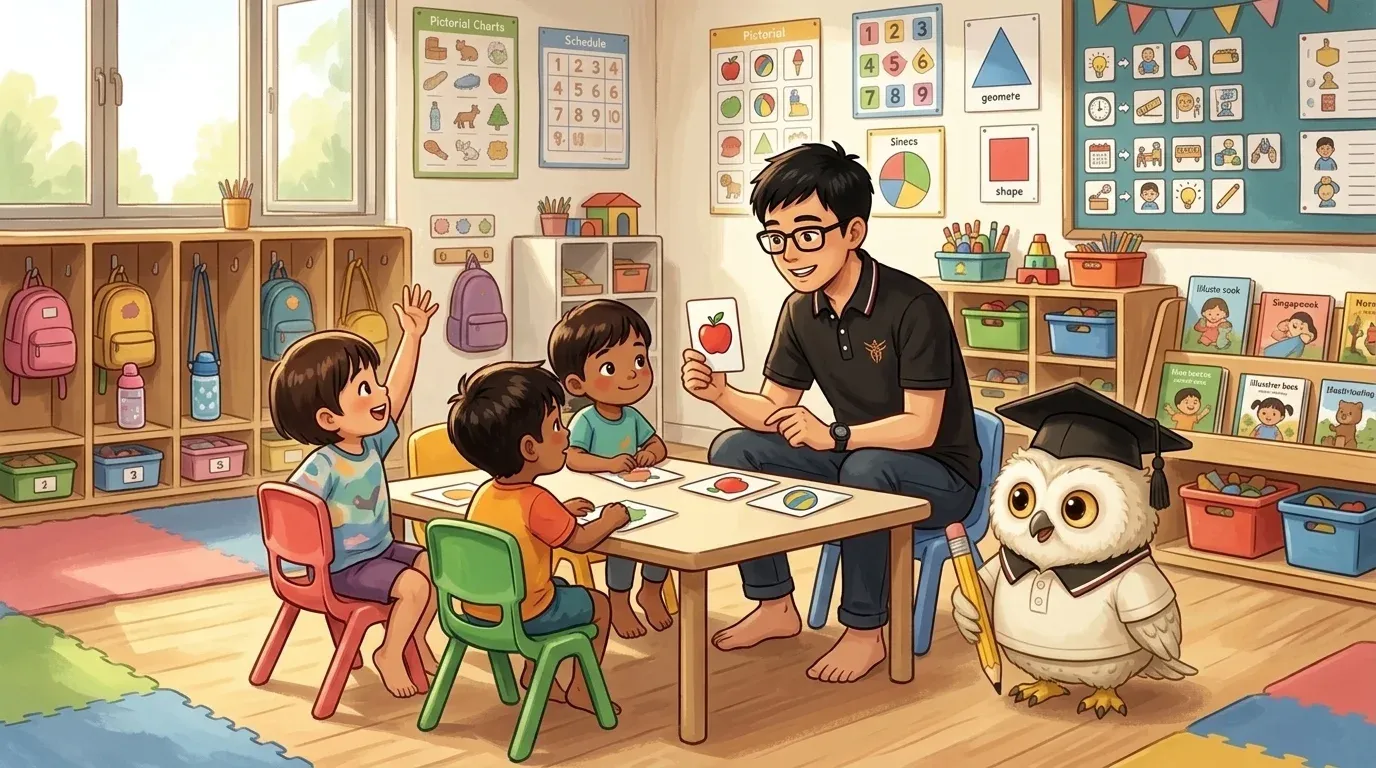 Under 7School Readiness
Try at home
Three things you can start today
FAQ
Questions parents ask
At what age should a child with autism be potty trained?
There’s no fixed age. Many children with autism train later than their peers, and that’s okay. Readiness and the right supports matter more than age.
Can I use a potty to toilet train my child?
Yes. A potty can feel safer and easier for some children. Others do better with a child seat and a step on the regular toilet, which avoids a second transition later.
My child is 4 and still in diapers. Is that unusual?
Many children who need extra support take longer to toilet train. It’s very common, and it can be learned with the right steps and routine.
Can toilet training be part of my child’s programme?
Yes. It’s part of our Self-help pillar, so it can be a goal in any group programme or 1:1.
What if my child is scared of the toilet?
We go slowly: visiting the toilet, sitting with clothes on, then building up step by step, with sensory needs in mind, such as the noise of the flush.
What happens next
Four simple steps
No commitment until you’ve met us.
Every child grows at their own pace.
You don’t have to figure it out alone. Visit either centre and meet the team.
★ 5.0 on Google · We usually reply the same working day