
Who we help › Selective mutism
Selective mutism
Selective Mutism in Children: Gentle Support in Singapore
Chatty with family, silent at preschool or school? This isn’t stubbornness. We help children feel safe enough to find their voice, one small step at a time.
📍 Eunos, Singapore · 5 minutes from Eunos MRT, easy to reach from Paya Lebar, Bedok and Geylang
✓ Reviewed by Grace Teo, child psychologist (Master’s in Educational Psychology) · November 2026
What you’re noticing
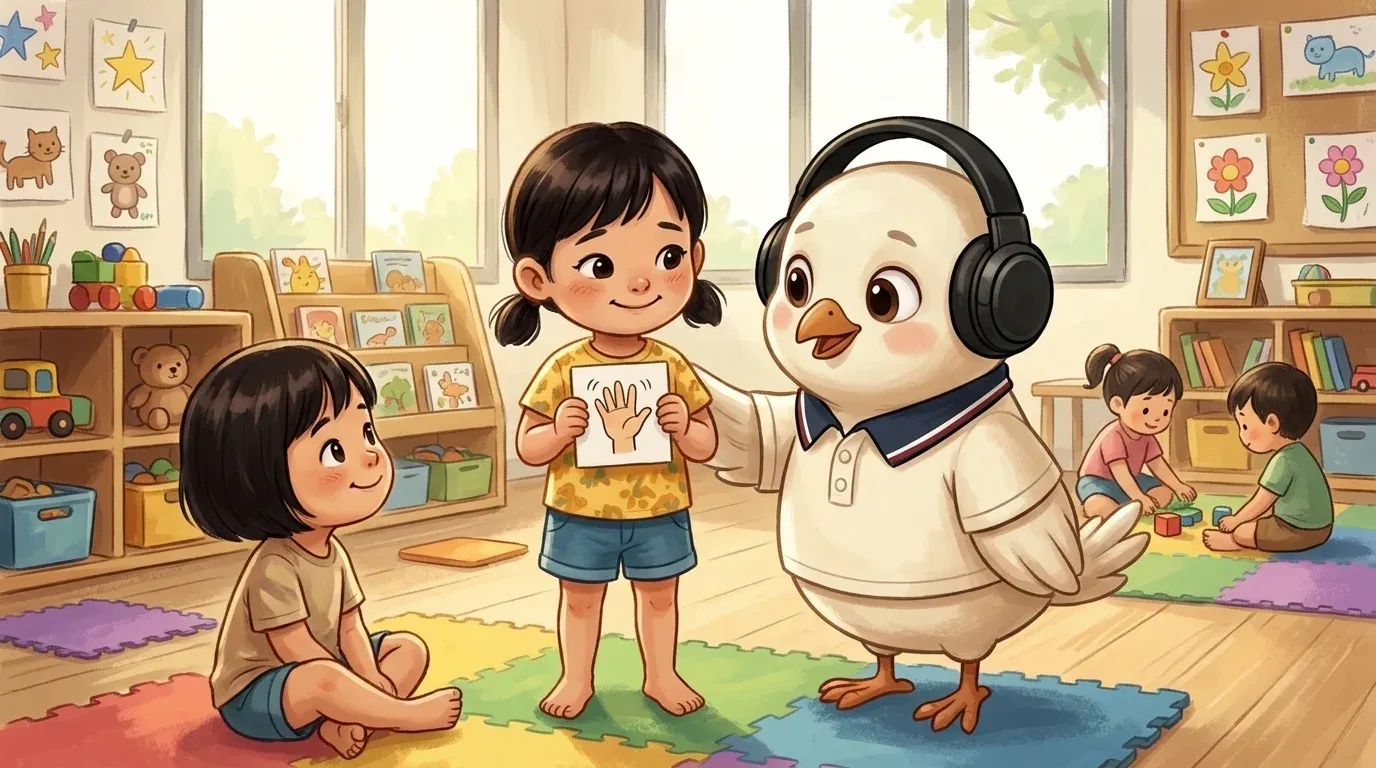
Signs of selective mutism
Your child isn’t choosing to be difficult. For many children, speaking in some places feels truly frightening, and pressure makes it harder.
- Talks freely at home, but not at preschool or school
- Freezes or goes quiet when spoken to by others
- Nods, points or whispers instead of talking
- Has been like this for more than a month
- Seems anxious in new places or with new people
Understanding it
What is selective mutism?
Selective mutism is an anxiety condition where a child speaks comfortably in some places, usually at home, but can’t speak in others, such as school. At ONE in Singapore, we build confidence gradually, starting with activities that need no talking, then small sounds, single words and conversation, always at a pace that feels safe, and in partnership with you and the school.
Methods we useGradual, step-by-step exposure, Positive reinforcement, Visual supports
What is selective mutism in children?Being unable to speak in certain places, despite talking at home.
It’s an anxiety condition, not shyness or stubbornness. Children want to speak but freeze in certain settings, often at school or with unfamiliar adults. It’s usually noticed when children start preschool or school.
Can children grow out of selective mutism?Some do, but early support helps most.
Some children improve on their own, but many need support, and the longer it continues the more the silence can become a habit. Early, gentle, step-by-step support gives the best chance of progress.
How ONE helps
Where we often start
Every child has goals in all 7 Pillars of Growth, set at the placement assessment. For selective mutism, we often start here.

Programmes that fit
Where your child could start
Our psychologist recommends the right fit after meeting your child.
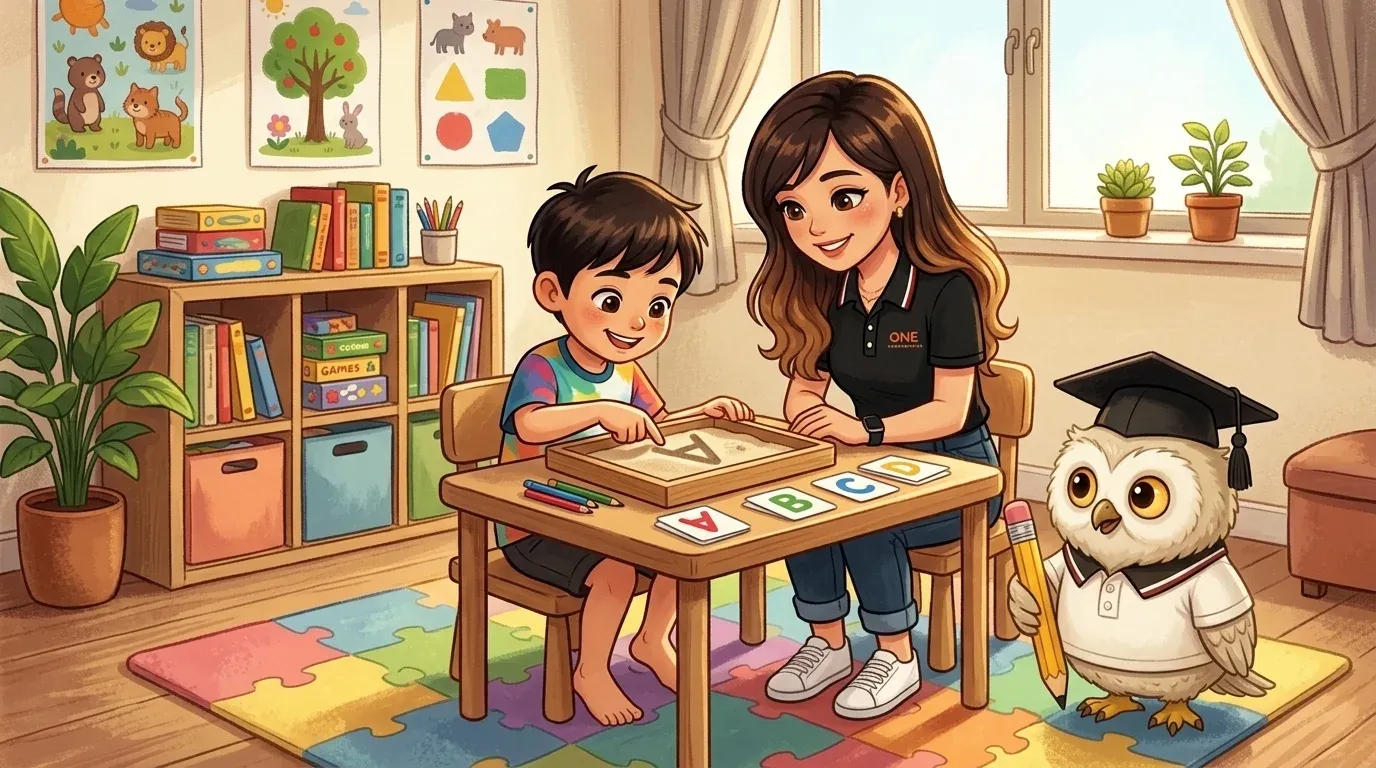 All ages1:1 Education Therapy
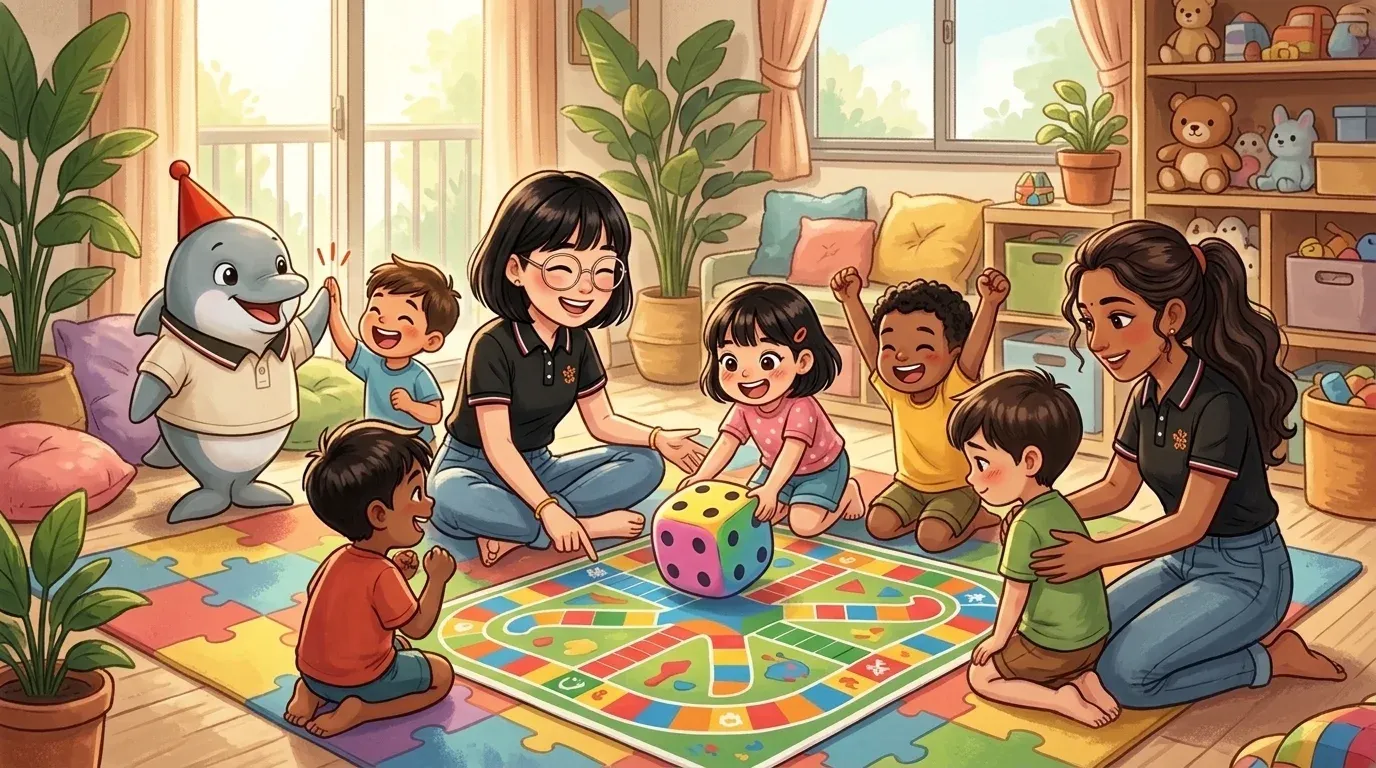 All agesWeekend Social Learning Group
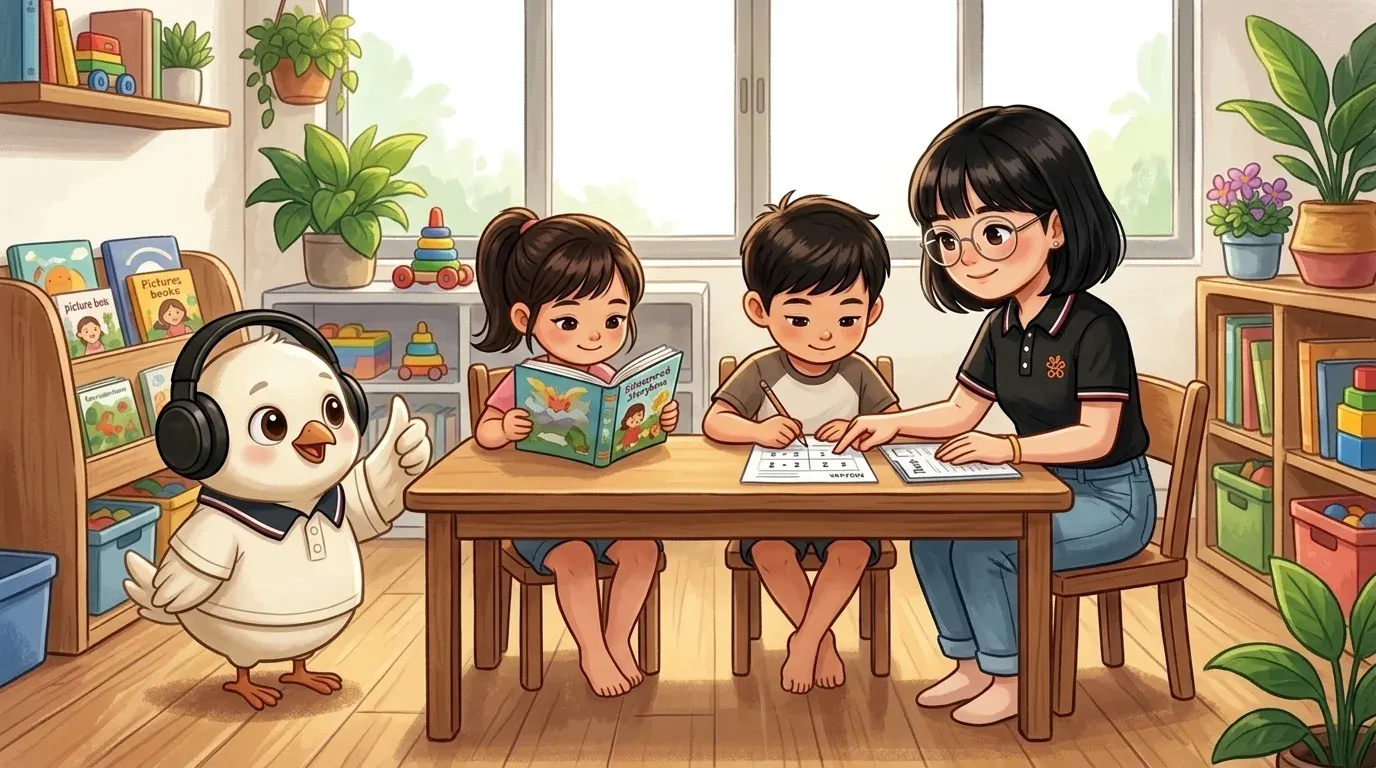 7 – 12Primary Plus
Try at home
Three things you can start today
FAQ
Questions parents ask
At what age does selective mutism typically start?
It usually begins between ages 2 and 5, and is often first noticed when a child starts preschool or primary school.
Is my child just shy?
Shy children warm up over time. In selective mutism, a child stays silent in certain places for weeks or months, even when they want to speak.
Will my child grow out of it?
Some children do, but many need support, and the longer it continues the harder it can become. Early support helps.
Can you work with my child’s school?
Yes. With your permission we share strategies with teachers so school and ONE use the same approach.
Should I encourage my child to speak?
Gently, without pressure. Avoid asking them to speak in front of others or rewarding speaking with bribes. Praise any communication, including pointing and nodding, and let progress come in small steps.
What happens next
Four simple steps
No commitment until you’ve met us.
Every child grows at their own pace.
You don’t have to figure it out alone. Visit either centre and meet the team.
★ 5.0 on Google · We usually reply the same working day