
Who we help › Worries & friendships
Social skills & worries
Shy, Anxious or No Friends? Social Skills Support for Children in Singapore
Holds back, plays alone, or worries a lot? We build social confidence step by step, in a small and friendly group.
📍 Eunos, Singapore · 5 minutes from Eunos MRT, easy to reach from Paya Lebar, Bedok and Geylang
✓ Reviewed by Grace Teo, child psychologist (Master’s in Educational Psychology) · November 2026
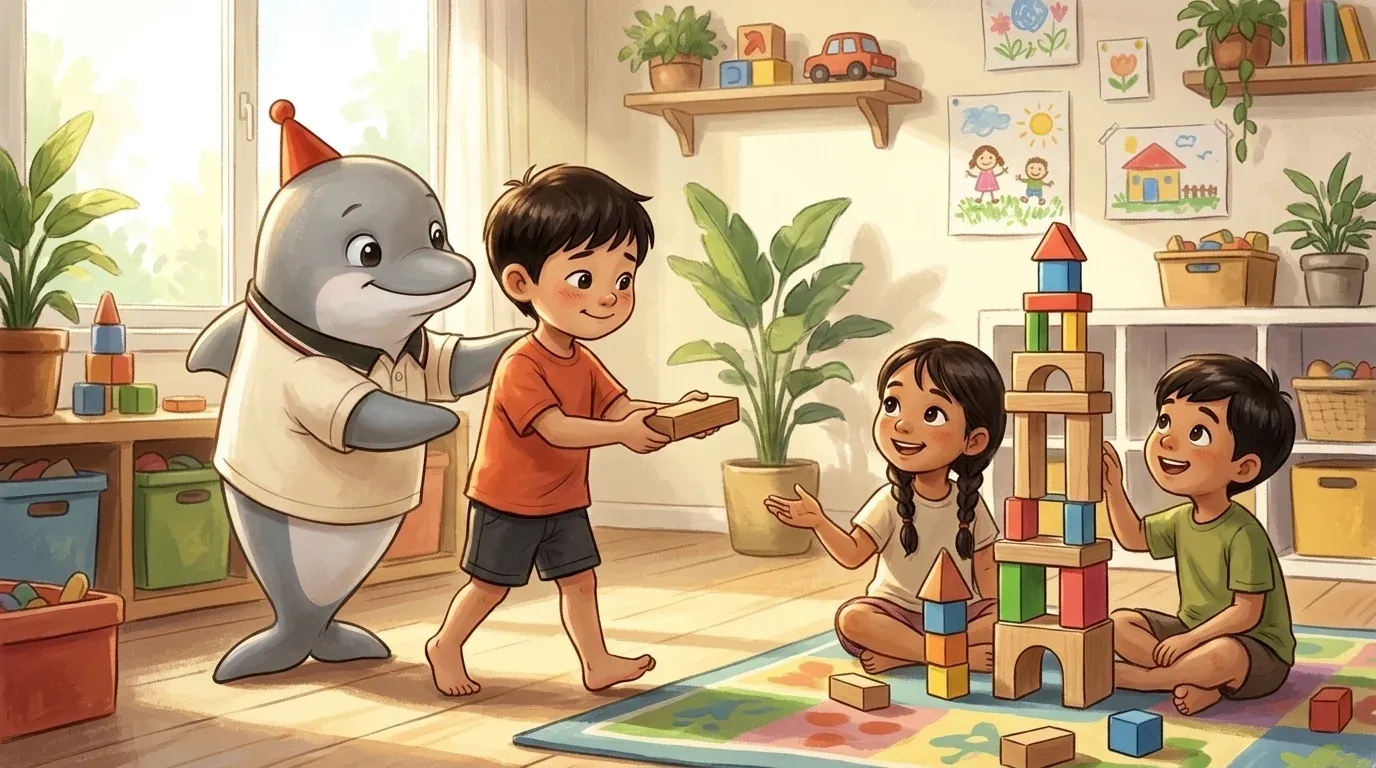
What you’re noticing
Signs your child may need social support
Friendship skills can be learned, like reading or maths, and confidence grows with every small win.
- Isn’t joining in at preschool, or plays alone
- Finds turn-taking, sharing or losing a game hard
- Gets very anxious about new places, people or school
- Has trouble keeping a conversation going
- Takes things very literally, or misreads how others feel
- Has few friends, or friendships often end in arguments
Understanding it
Why some children find social life hard
Joining a game or keeping a chat going needs many small skills at once: noticing others, waiting, reading faces and managing nerves. At ONE in Singapore, we teach these skills directly, then practise them in real play, in our Saturday Social Learning Group or one-to-one first, so they carry over to school and the playground.
How can I help my child with social anxiety?Small brave steps, practised and praised.
Acknowledge the worry without rescuing your child from every challenge. Plan small, achievable steps, like saying hi to one friend, practise them at home, and praise the courage, not the outcome. Avoid forcing big social situations, which can increase anxiety. If worries are severe or long-lasting, speak to your doctor.
What is the 3-3-3 rule for anxiety?A simple grounding trick for big worries.
When anxiety rises, name 3 things you can see, 3 things you can hear, and move 3 parts of your body. It brings attention back to the present. Practise it together when your child is calm, so it’s easier to use when they’re worried.
How ONE helps
Where we often start
Every child has goals in all 7 Pillars of Growth, set at the placement assessment. For worries & friendships, we often start here.


Programmes that fit
Where your child could start
Our psychologist recommends the right fit after meeting your child.
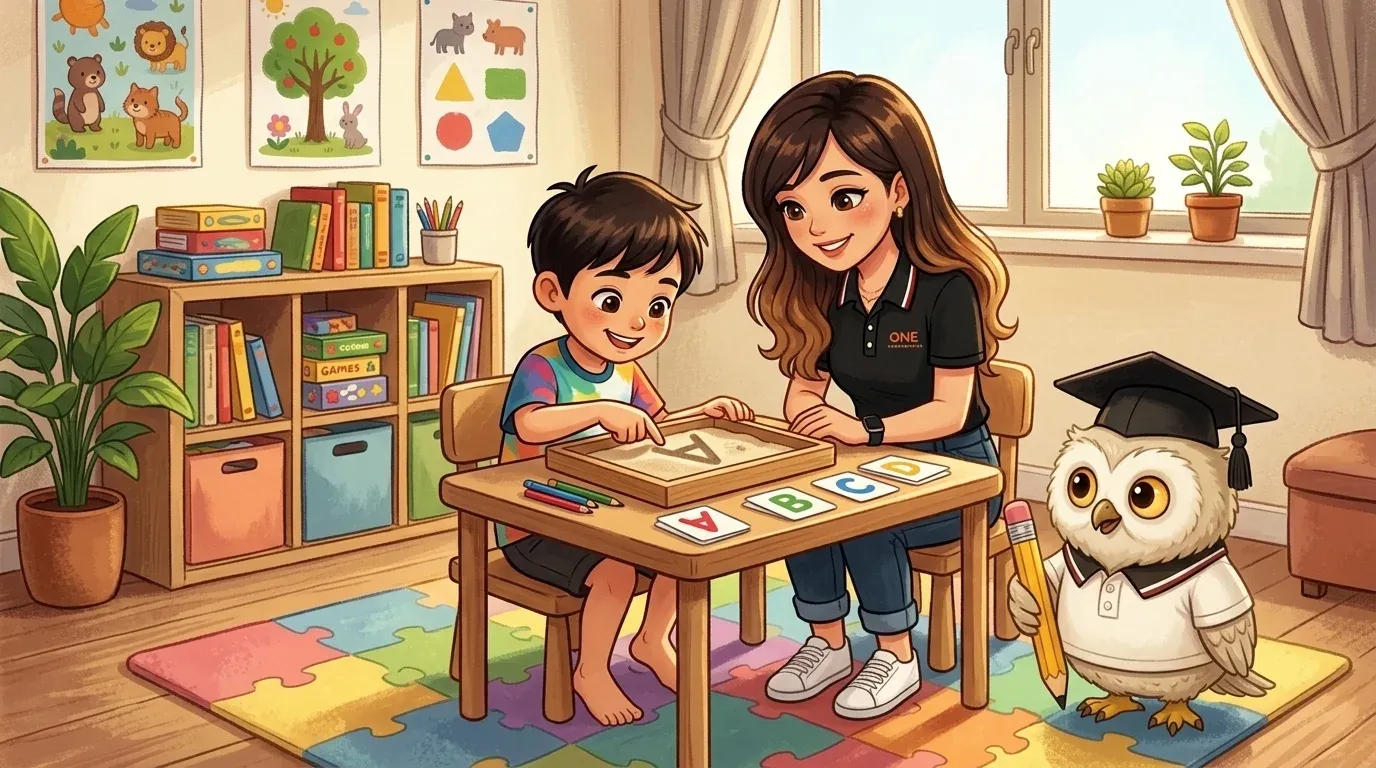
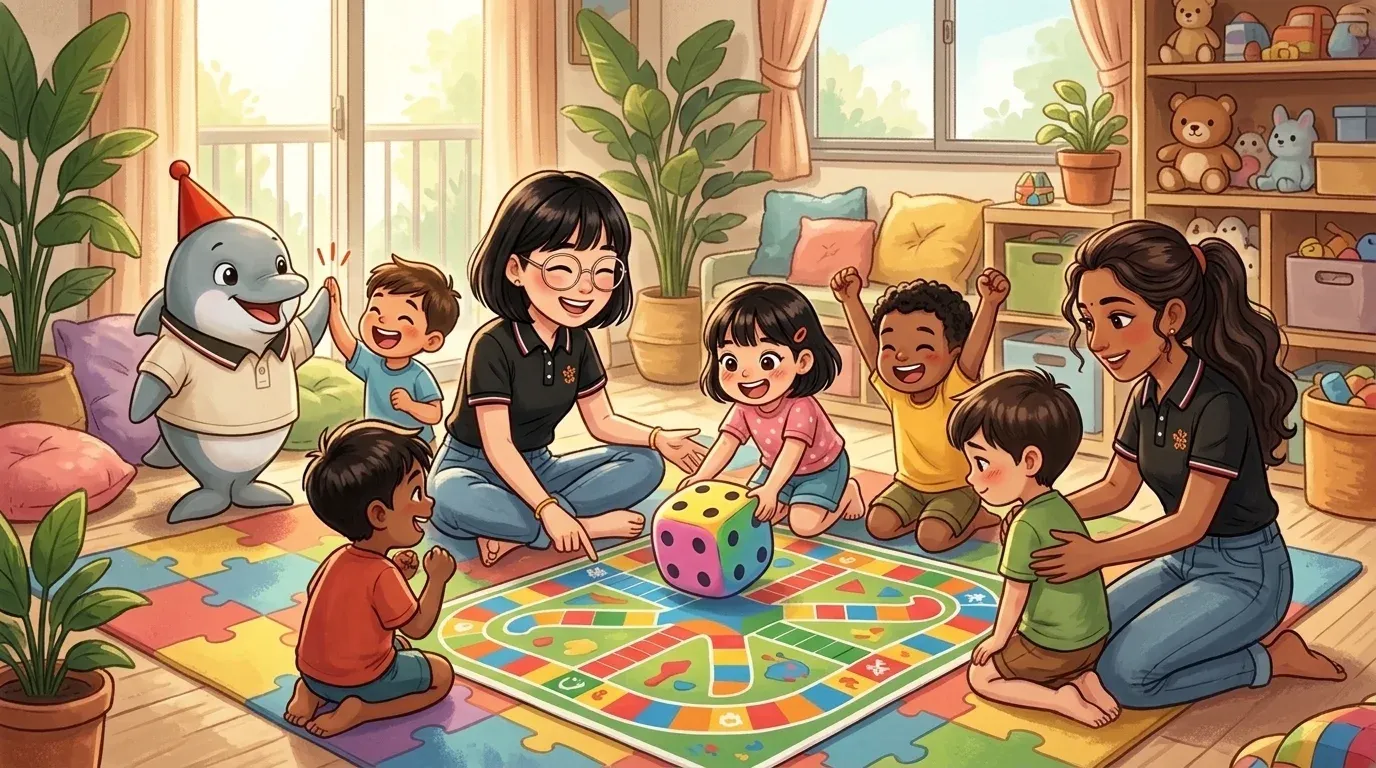 All agesWeekend Social Learning Group
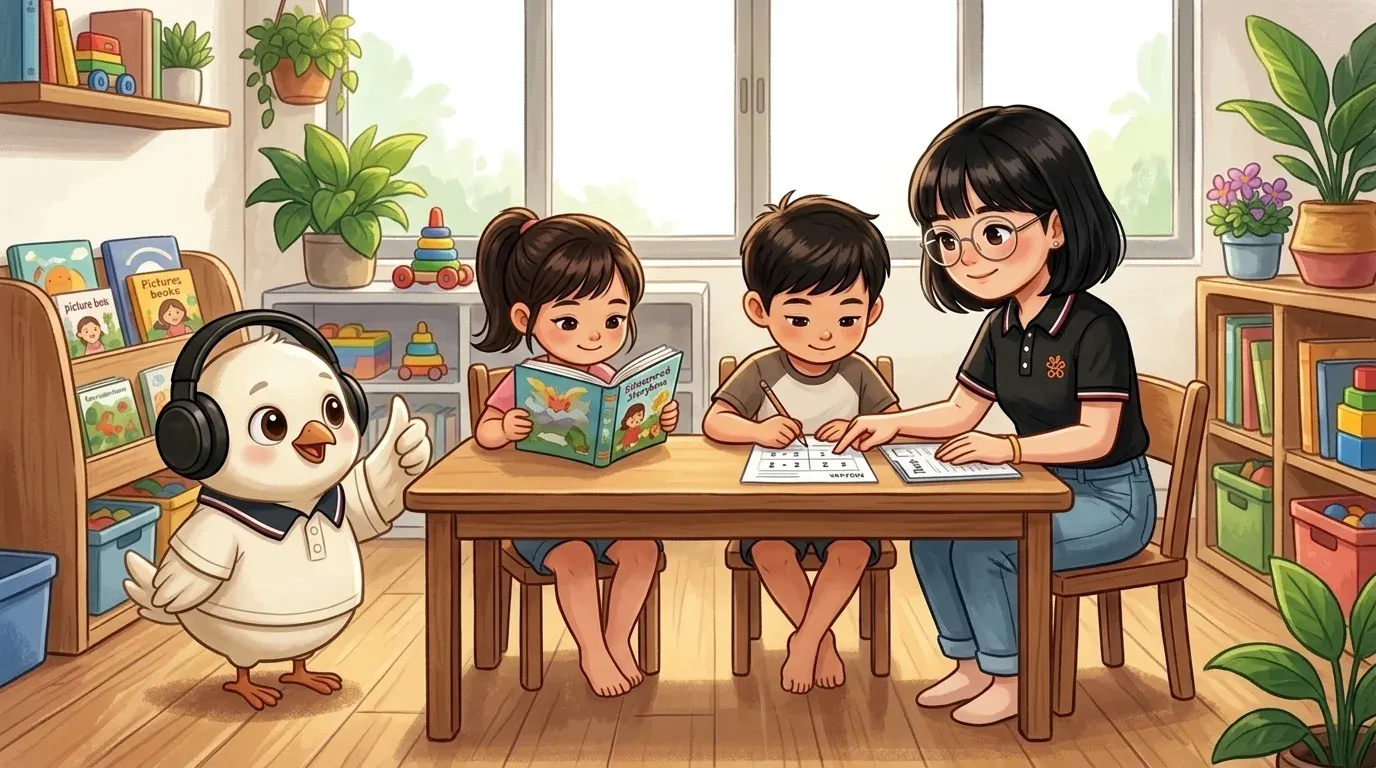
 All ages1:1 Education Therapy
 7 – 12Primary Plus
Try at home
Three things you can start today
FAQ
Questions parents ask
What are social skills classes for kids like at ONE?
Our Saturday Social Learning Group is a small group where children practise joining in, turn-taking, conversation and handling losing through games and team challenges, with at most 3 children per teacher. Skills are taught step by step, then practised in real play, and you get a progress report.
What causes a child to be shy and quiet?
Temperament plays a big part; some children are naturally more cautious. Shyness can also grow from limited practice with peers, past difficult experiences, or difficulties with language or social understanding. Shyness itself isn’t a problem unless it stops a child from joining in or enjoying things.
How can I tell if my toddler has social anxiety or autism?
Anxious children usually want to connect but feel nervous, and are often relaxed and chatty at home. Children with autism may show less interest in sharing attention, use fewer gestures, and have strong routines or interests across all settings. If you’re unsure, a developmental assessment can help.
What do I do if my child has no friends?
Start small: one friend, one short playdate, one shared activity your child enjoys. Teach and practise skills like joining in and turn-taking. A small, guided group, like our Saturday Social Learning Group, gives safe practice.
Is it harmful to force a shy child to make friends?
Pushing too hard can increase anxiety. Gentle encouragement, preparation and small achievable steps work better than forcing.
Is it a group or 1:1?
Usually the Weekend Social Learning Group, a small group on Saturdays. If your child needs one-to-one time first, our psychologist will suggest it.
Does ONE help with anxiety?
We help children with everyday worries through the Emotional pillar. If anxiety is severe or long-lasting, we’ll suggest speaking to your doctor about a specialist referral.
What happens next
Four simple steps
No commitment until you’ve met us.
Every child grows at their own pace.
You don’t have to figure it out alone. Visit either centre and meet the team.
★ 5.0 on Google · We usually reply the same working day