
Who we help › Intellectual disability
Intellectual disability
Intellectual Disability Support for Children in Singapore
Every child can keep learning. Our child psychologist-led team sets clear, realistic goals in learning, independence and everyday life, and celebrates every step forward.
📍 Eunos, Singapore · 5 minutes from Eunos MRT, easy to reach from Paya Lebar, Bedok and Geylang
✓ Reviewed by Grace Teo, child psychologist (Master’s in Educational Psychology) · November 2026
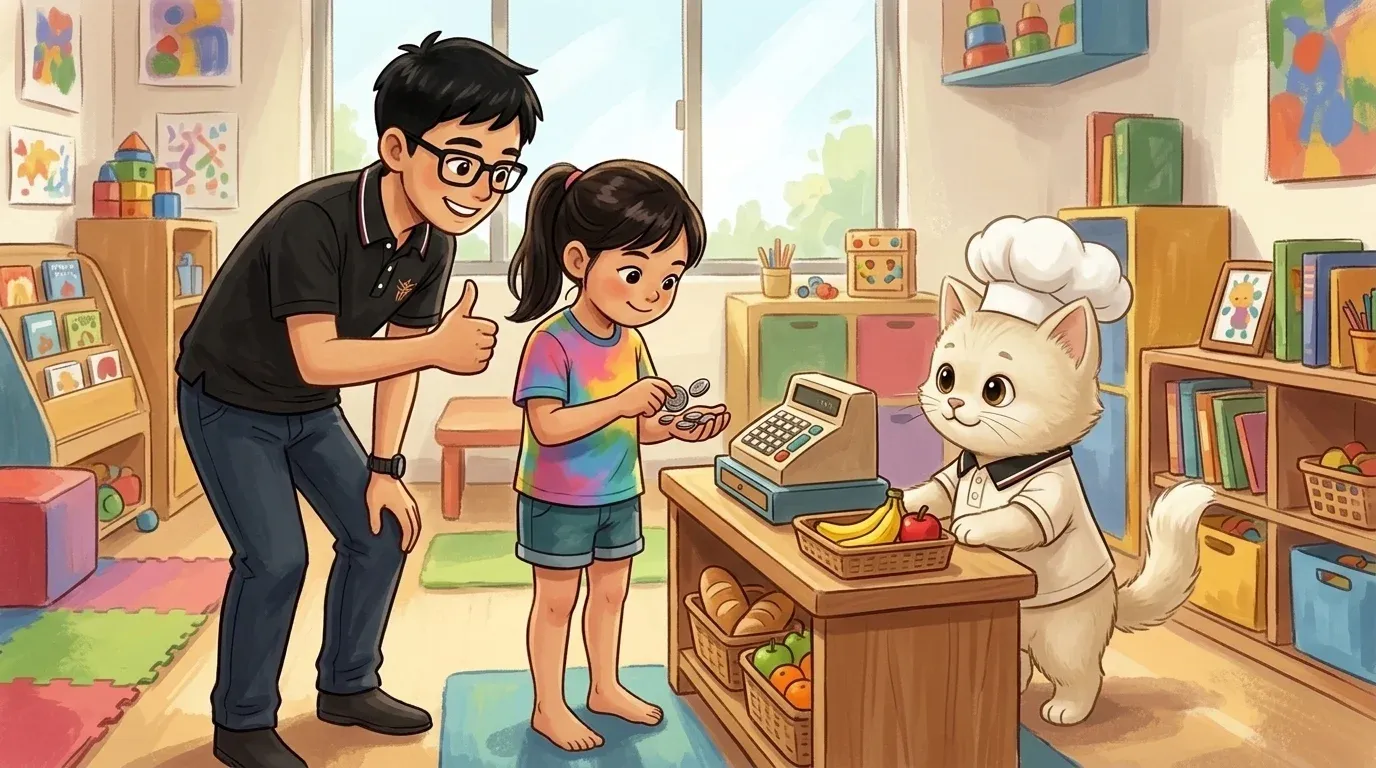
What we focus on
What we often work on
An intellectual disability describes how a child learns, not how far they can go. With the right teaching, children keep building skills throughout childhood and beyond.
- Reading, writing and numbers for everyday life
- Communication and asking for help
- Self-care: dressing, eating, toileting and hygiene
- Money, time and getting around safely
- Making friends and joining group activities
- Confidence, routines and independence
Our approach
How we support children with intellectual disability
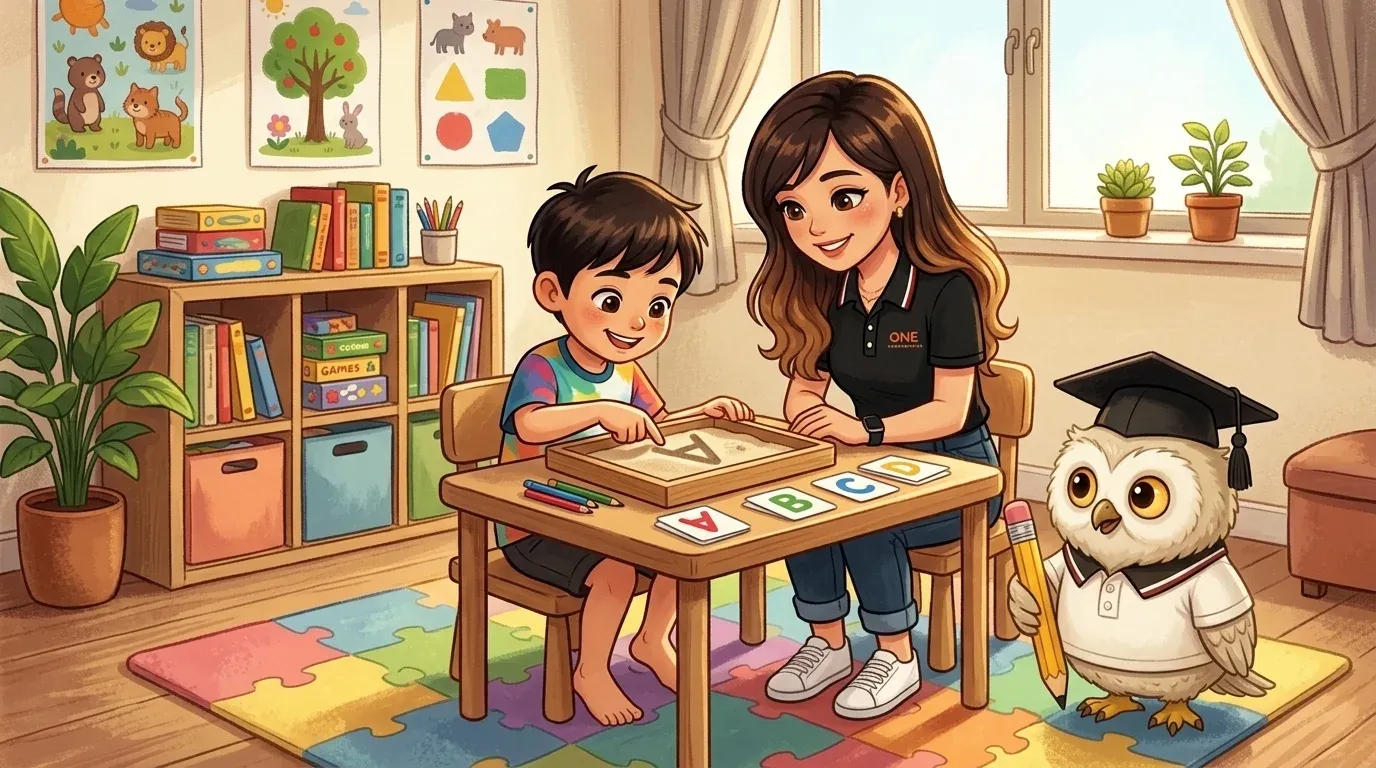
At ONE in Singapore, children with intellectual disability learn through TEACCH structured teaching, visual supports and plenty of real-life practice, with every skill broken into small steps. Many children diagnosed with global developmental delay when young later receive this diagnosis, and support simply continues.
Methods we useTEACCH, Structured tabletop activities, Visual supports and more
Can mild intellectual disability improve?Skills keep growing with the right teaching.
An intellectual disability describes ongoing learning needs, but children keep building skills throughout childhood and beyond. With structured teaching and plenty of practice, many children make strong progress in communication, independence and everyday learning. We focus on skills that make the biggest difference to daily life.
How ONE helps
Where we often start
Every child has goals in all 7 Pillars of Growth, set at the placement assessment. For Intellectual disability, we often start here.




Programmes that fit
Where your child could start
Our psychologist recommends the right fit after meeting your child.
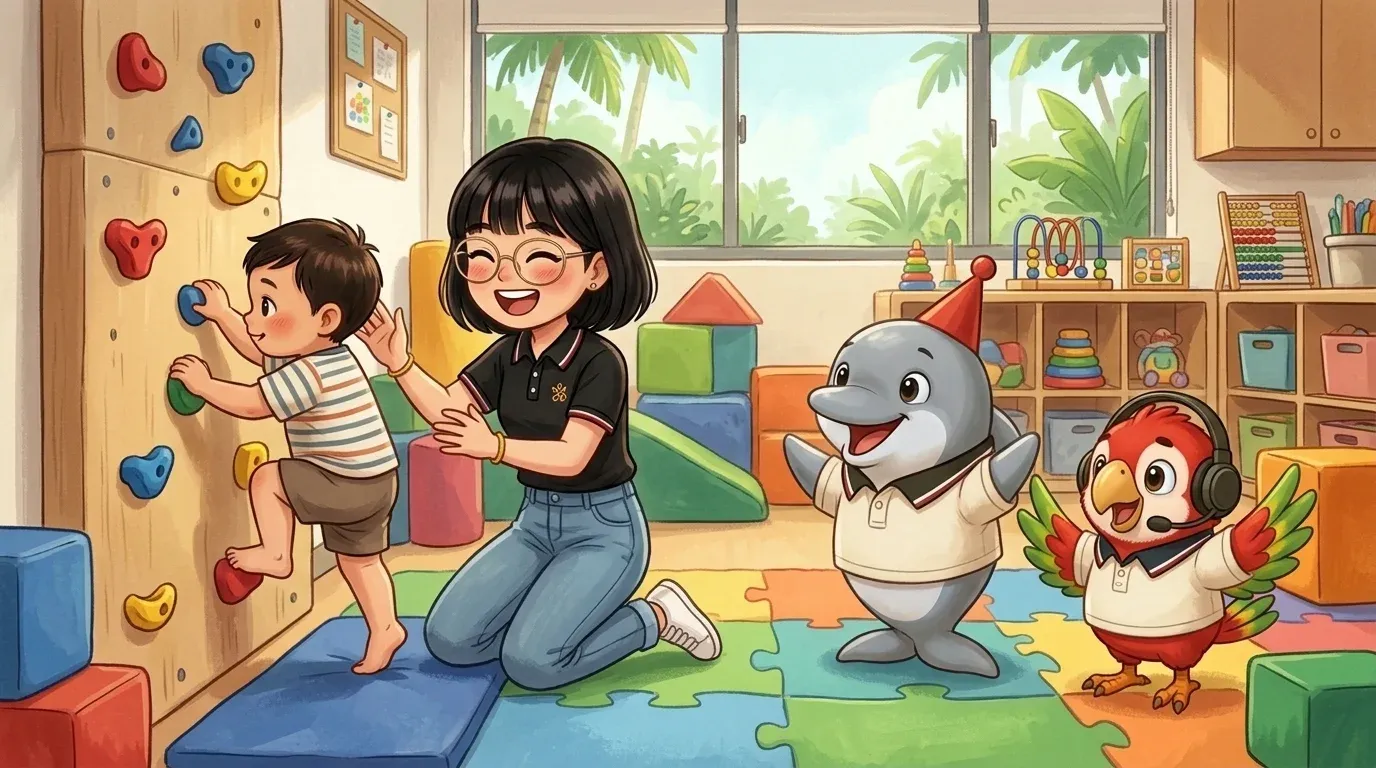 18 months – 6Early InterventionGoals across all 7 Pillars, 18 months to 6See the programme
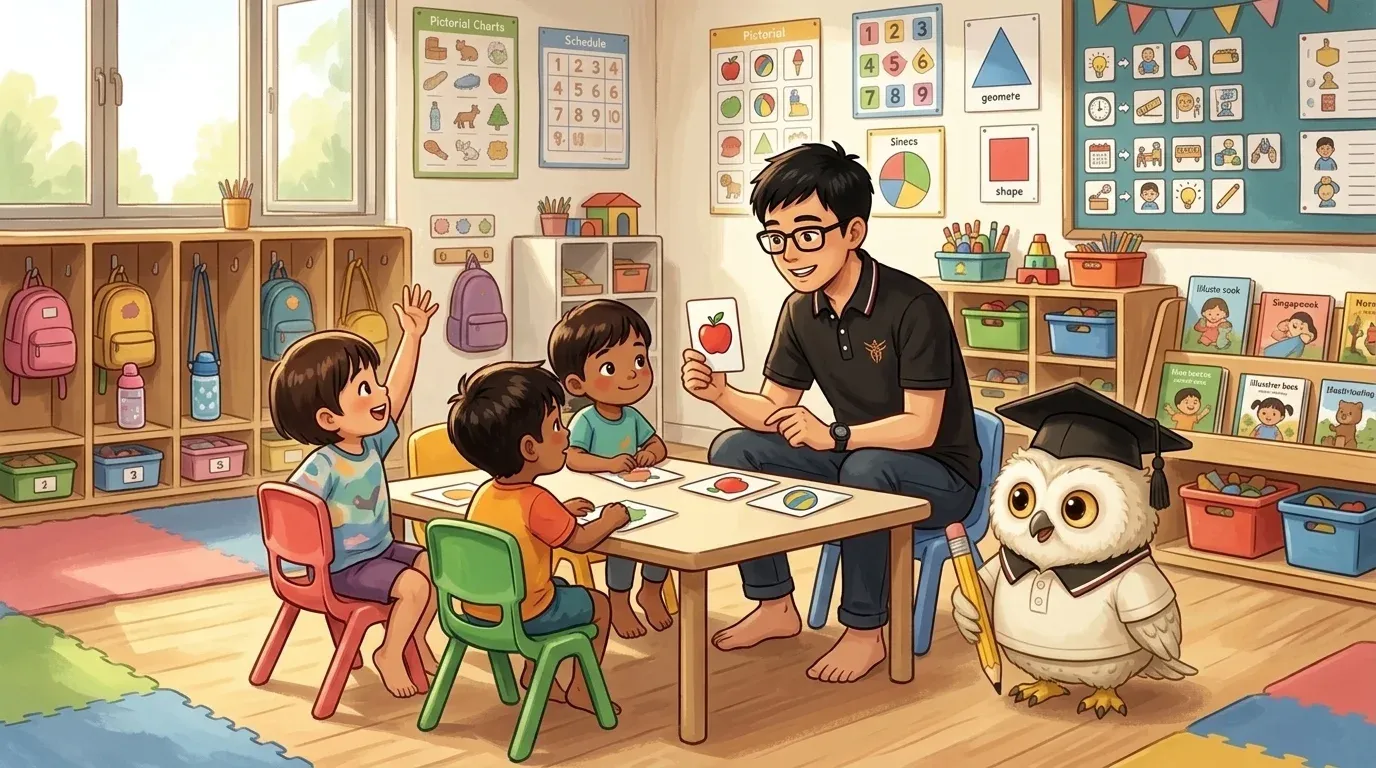 Under 7School ReadinessRoutines and early learning before Primary 1See the programme
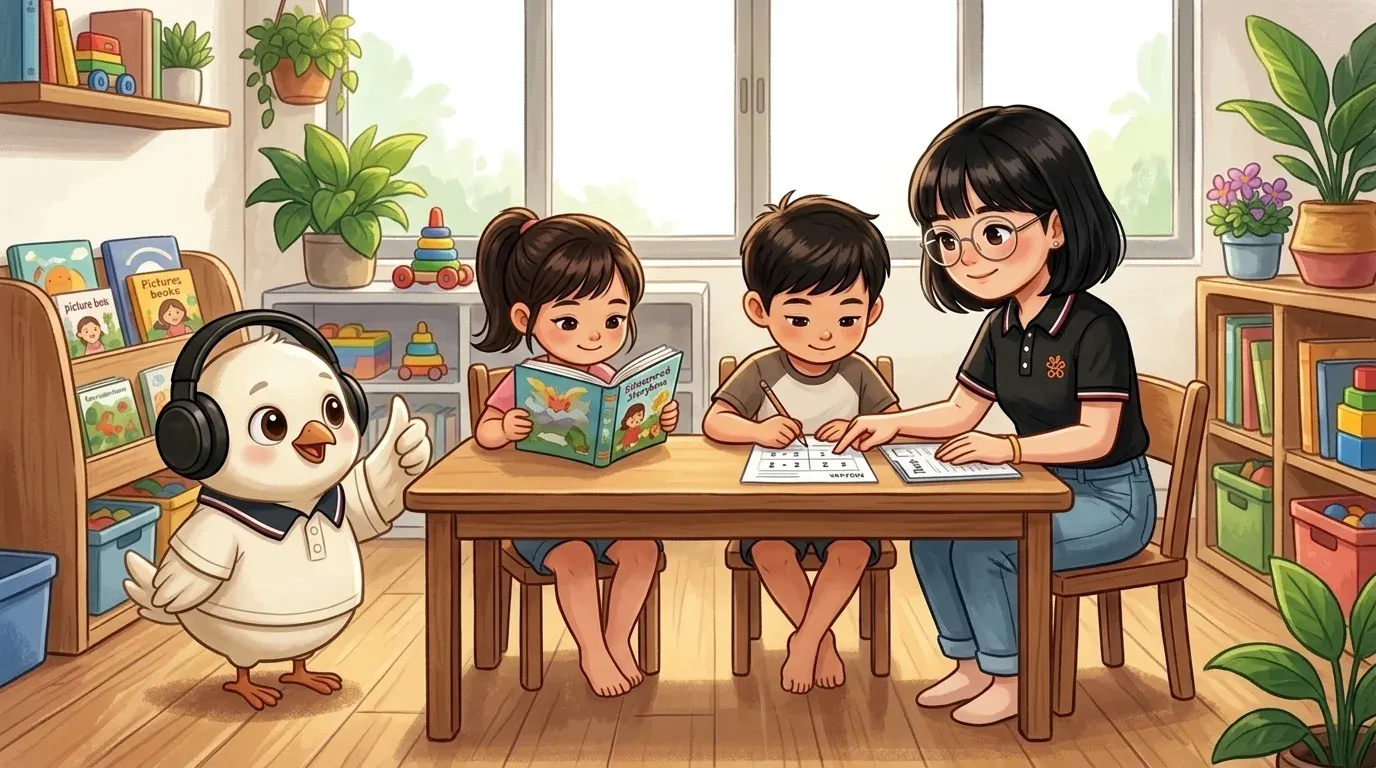 7 – 12Primary PlusLearning support alongside school, 7 to 12See the programme
 7 – 12Life & LearningLife skills and everyday learning, 7 to 12See the programme
 All ages1:1 Education TherapyOne-to-one at your child’s pace, any age, including teensSee the programme
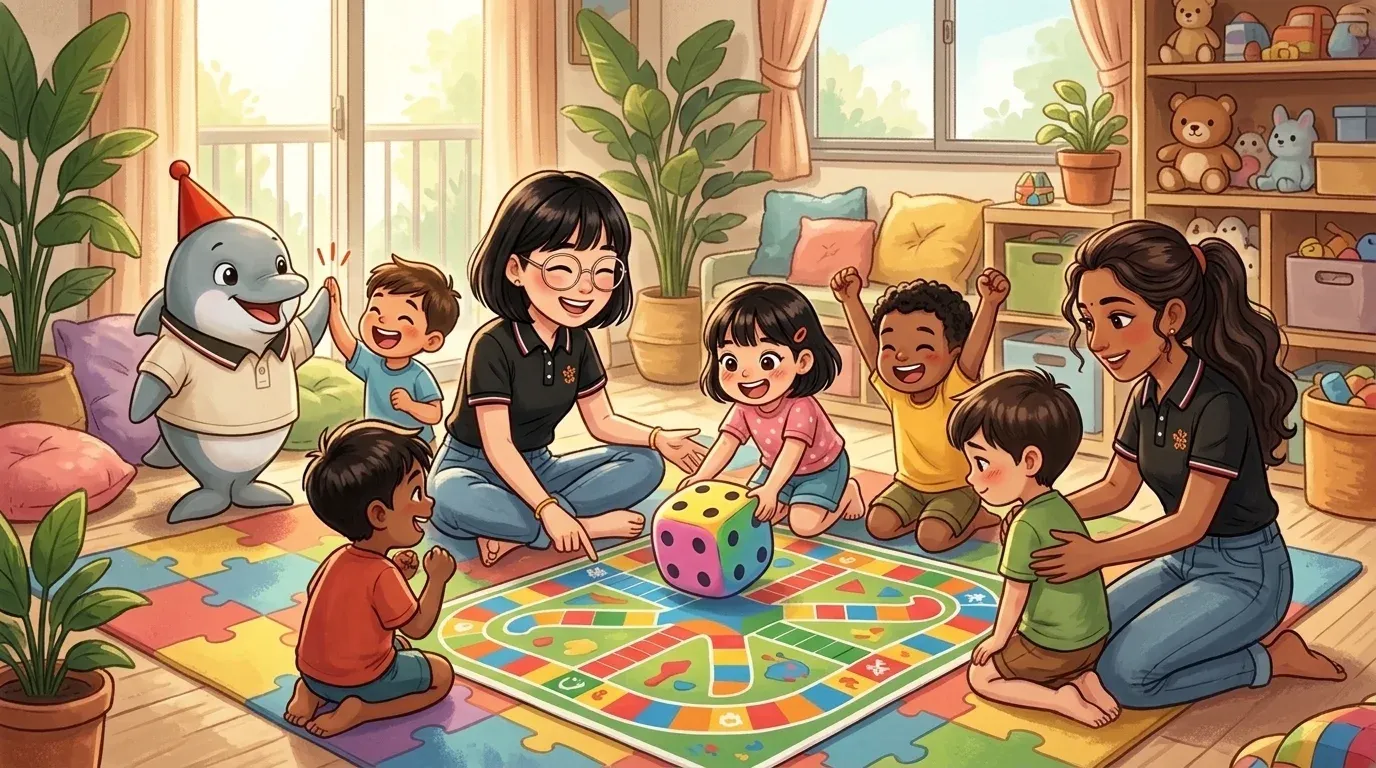 All agesWeekend Social Learning GroupSaturday social practice in a small groupSee the programme
Getting a diagnosis
Getting an assessment in Singapore
You don’t need a diagnosis to start at ONE. If you’d like a formal assessment, this is the usual route.
Your doctor will advise on the best route for your child’s age. Source: KK Women’s and Children’s Hospital, Department of Child Development.
Try at home
Three things you can start today
FAQ
Questions parents ask
How do I know if my child has an intellectual disability?
Signs include learning new skills more slowly than other children, difficulty with reasoning and problem-solving, and needing more help with everyday tasks such as dressing, money or getting around. Only a formal assessment can confirm it. Speak to your doctor if you’re concerned.
What causes intellectual disability?
Causes include genetic conditions such as Down syndrome or Fragile X syndrome, and complications during pregnancy or birth. For many children, no single cause is found. The cause doesn’t change how much your child can learn with the right support.
What’s the difference between GDD and intellectual disability?
Global developmental delay describes delays in young children. As children get older, some catch up, and some are diagnosed with intellectual disability, which describes ongoing learning needs.
Will my child go to mainstream or special school?
It depends on each child. Placement in special education usually needs a professional assessment. Our psychologist will talk you through the options and help prepare your child for the setting that fits.
Do you support teenagers?
Yes. 1:1 is open to every age, and teens can join life-skills sessions case by case.
How will I see progress?
Goals are tracked every week, with a monthly report and tips for home.
What happens next
Four simple steps
No commitment until you’ve met us.
Every child grows at their own pace.
You don’t have to figure it out alone. Visit either centre and meet the team.
★ 5.0 on Google · We usually reply the same working day