
Who we help › ADHD
ADHD
ADHD Support for Children in Singapore
Energy, ideas and big hearts, with a brain that finds focusing, waiting and organising harder. Our child psychologist-led team teaches the skills, with plenty of movement and wins along the way.
📍 Eunos, Singapore · 5 minutes from Eunos MRT, easy to reach from Paya Lebar, Bedok and Geylang
✓ Reviewed by Grace Teo, child psychologist (Master’s in Educational Psychology) · November 2026
Signs you might notice
ADHD symptoms you might see
ADHD isn’t about effort or bad parenting. With structure and encouragement, children learn to work with their brain, not against it.
- Finds it hard to focus, unless it’s something they love
- Fidgets, moves or talks a lot
- Acts or speaks before thinking
- Forgets instructions, loses things or rushes work
- Has big, fast feelings
- Gets told off often, and is starting to believe it
Our approach
How we support children with ADHD
At ONE in Singapore, ADHD support is planned by our child psychologist and built around short, structured tasks, movement breaks and progress your child can see. Children practise focusing, waiting, planning and handling frustration, then take those strategies home and to school. We work with or without a diagnosis.
Methods we useTEACCH structured organisation, Visual schedules & checklists, Structured tabletop activities and more
What does an ADHD-friendly session look like?Short tasks, movement breaks and visible wins.
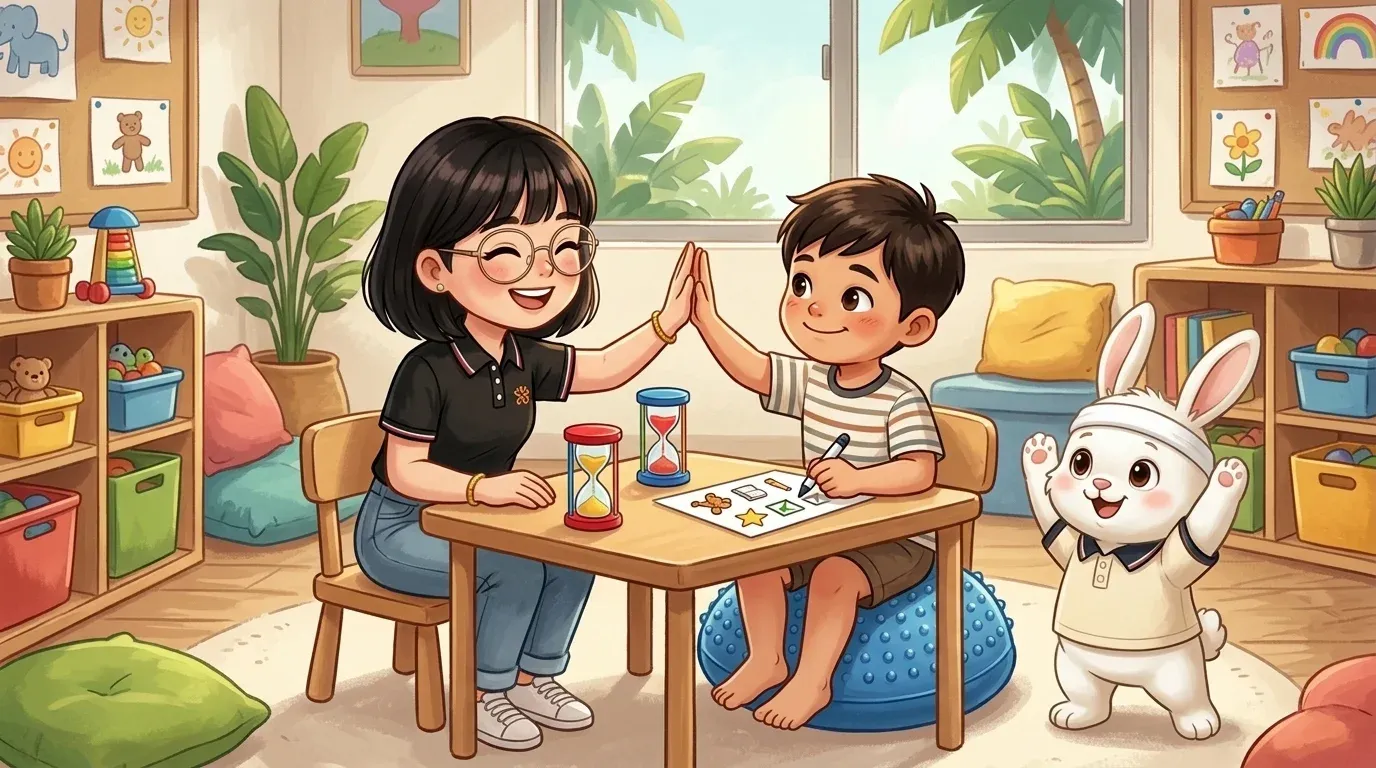
Sessions are broken into short, clear tasks with a timer and a picture checklist, so your child always knows what’s next and when it ends. Movement is built in: our trampoline, climbing wall and quick active breaks help many children settle before focused work. Every finished task is noticed and praised, which builds the motivation that ADHD can make harder. We also teach planning and self-control strategies your child can use at school, and share them with you.
Will you replace ADHD medication?No. That decision is for you and your doctor.
Medication decisions are for you and your child’s doctor. Our role is teaching skills and routines, and our programmes help with or without medication. Many families find skills support and medical care work well together.
How ONE helps
Where we often start
Every child has goals in all 7 Pillars of Growth, set at the placement assessment. For ADHD, we often start here.




Programmes that fit
Where your child could start
Our psychologist recommends the right fit after meeting your child.
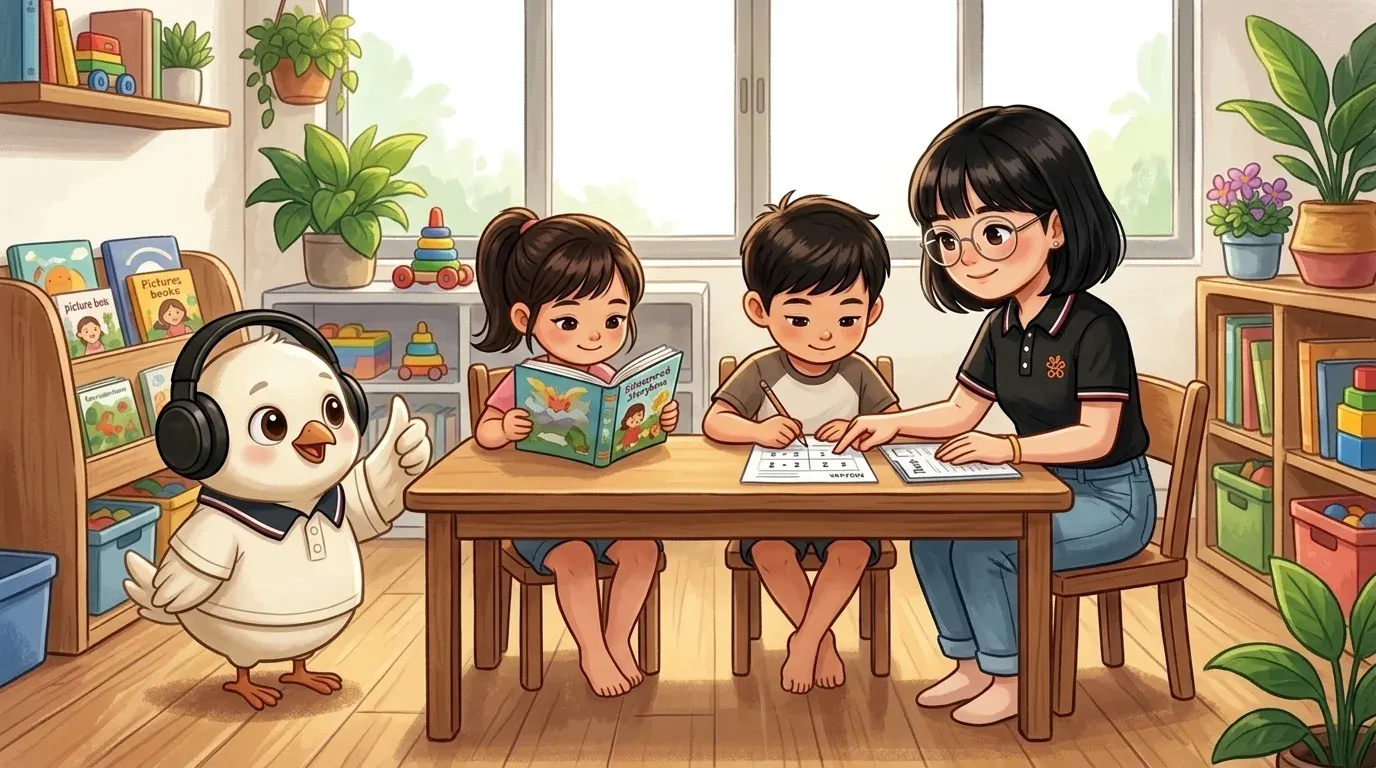 7 – 12Primary PlusFocus and learning support alongside primary school, 7 to 12See the programme
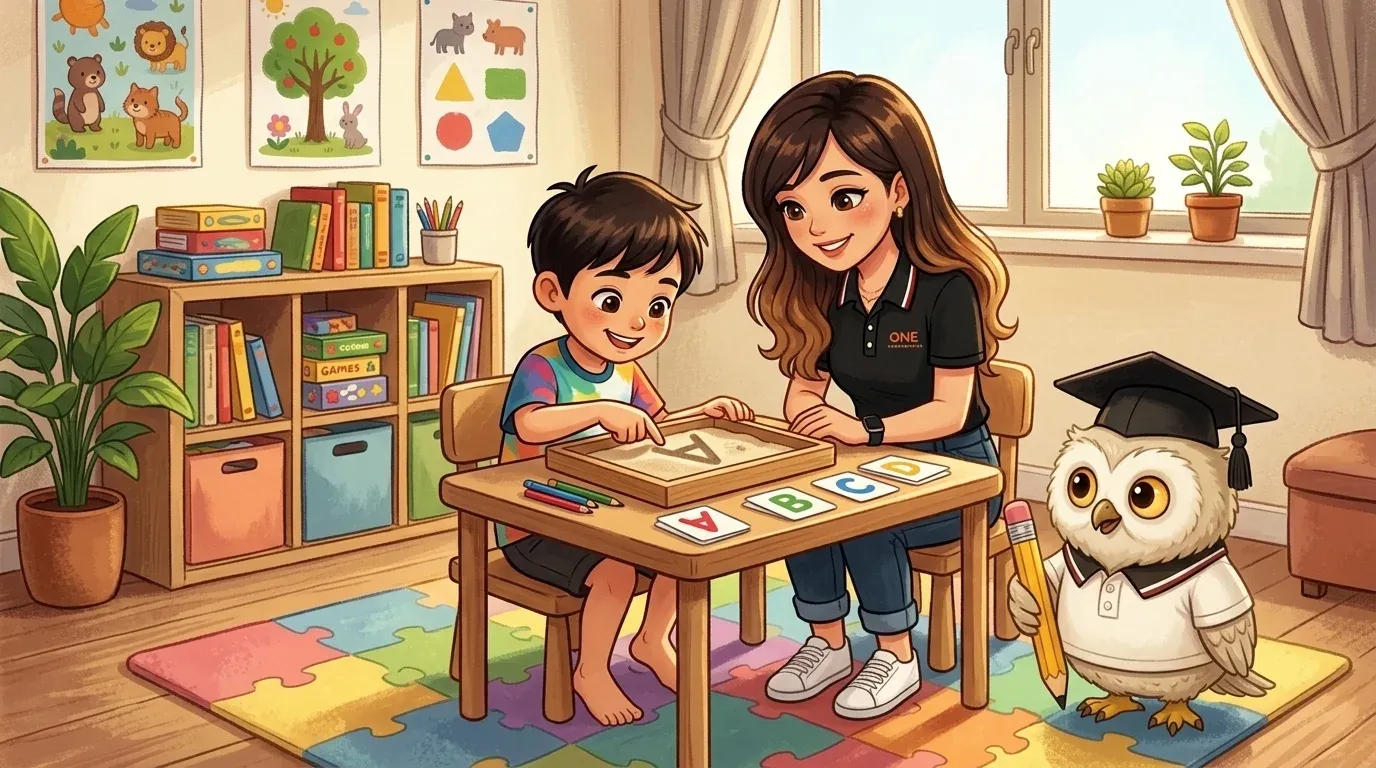 All ages1:1 Education TherapyOne-to-one focus and learning, weekdays or SaturdaysSee the programme
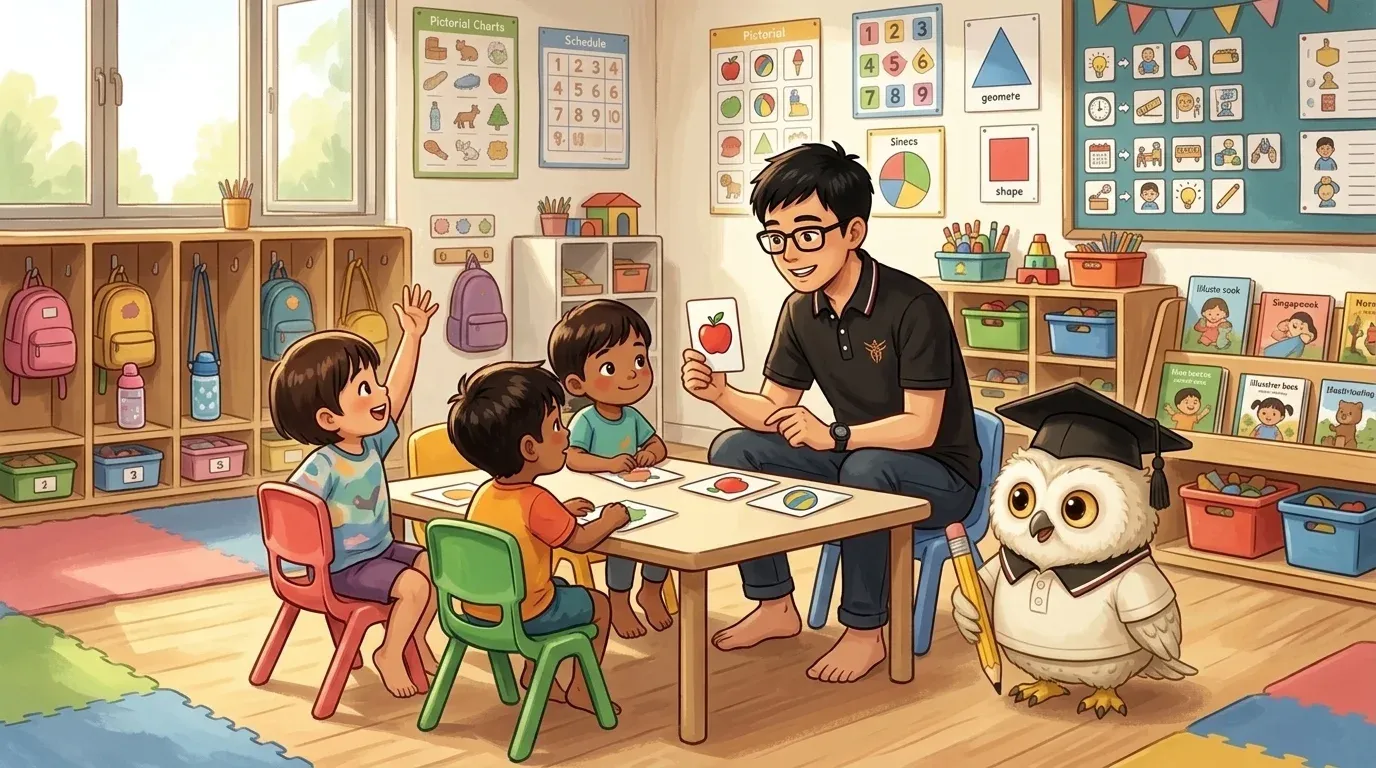 Under 7School ReadinessAttention and classroom routines before Primary 1See the programme
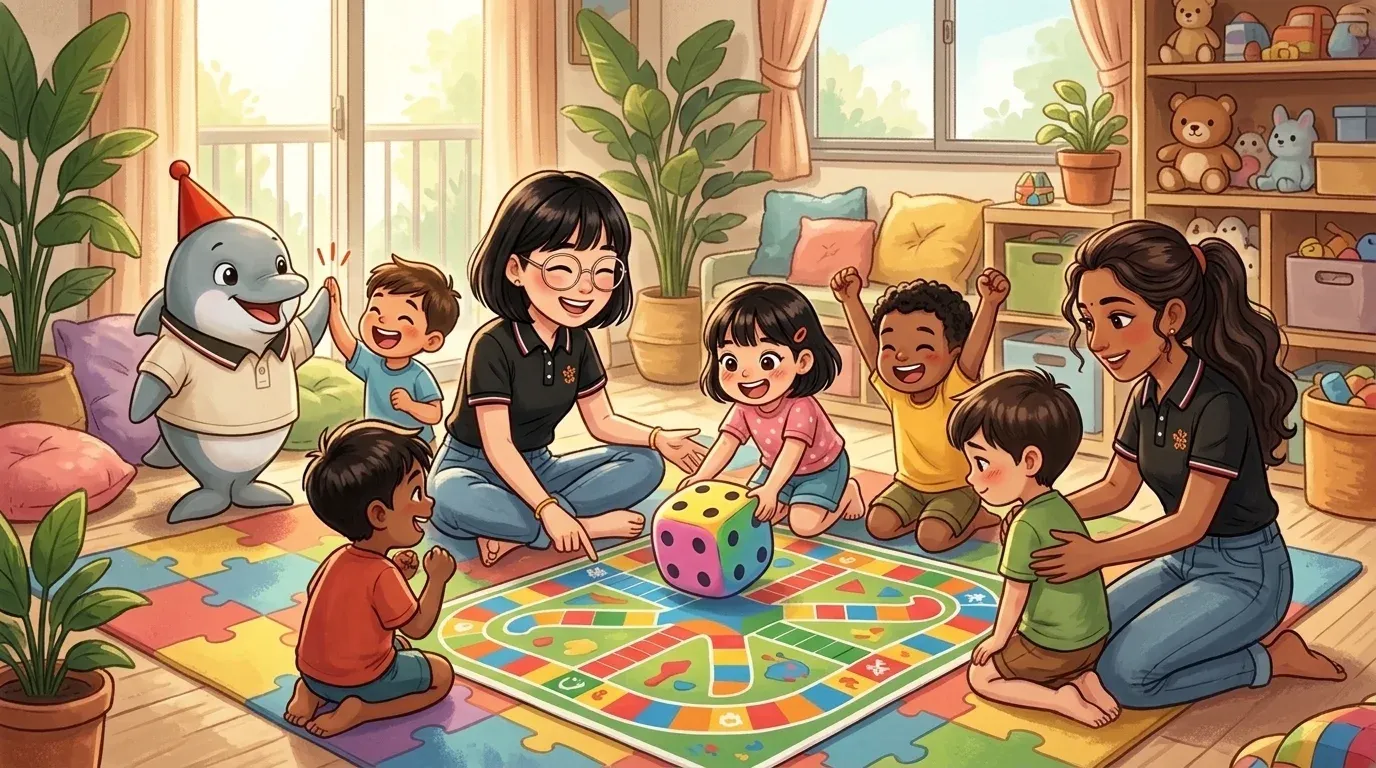 All agesWeekend Social Learning GroupWaiting, turn-taking and teamwork on SaturdaysSee the programme
Getting a diagnosis
ADHD diagnosis in Singapore: getting an assessment
You don’t need a diagnosis to start at ONE. If you’d like a formal assessment, this is the usual route.
ADHD is often diagnosed once children start school, when attention demands increase. Your doctor will advise on timing for your child. Source: KK Women’s and Children’s Hospital, Department of Child Development.
Try at home
Three things you can start today
FAQ
Questions parents ask
Is there an ADHD test?
There’s no single test. ADHD is diagnosed by a doctor or psychologist using interviews, observation and rating scales from parents and teachers. Online quizzes can’t diagnose ADHD, but they can help you decide whether to speak to a doctor.
Can a 4-year-old have ADHD?
Signs can show early, but many young children are naturally active and inattentive, so ADHD is often diagnosed once school starts. If your preschooler’s attention or impulsivity worries you, speak to your doctor. Attention and self-control goals are part of our Early Intervention and School Readiness programmes, with or without a diagnosis.
How do I discipline a child with ADHD?
Clear, calm and consistent works best. Give one instruction at a time, praise the behaviour you want straight away, use simple visual rules and predictable consequences, and avoid long lectures or harsh punishment, which tend to make things worse. We share strategies that work for your child, so home and ONE use the same approach.
What are the signs of ADHD in children?
Common signs include difficulty staying focused, being easily distracted, losing things, fidgeting or moving a lot, interrupting, and acting before thinking, seen at home and at school for at least six months. Every child is different; a doctor or psychologist can assess whether it’s ADHD.
How do I get an ADHD assessment in Singapore?
Start with your family doctor, a polyclinic or your child’s paediatrician. They can refer you to a hospital service, or you can see a private paediatrician, psychiatrist or psychologist. Our placement assessment isn’t a diagnosis, but you can start support at ONE while you wait.
Should my child take ADHD medication?
That’s a decision for you and your child’s doctor. Our programmes help with or without medication.
Can you help with ADHD at school?
Yes. Primary Plus runs alongside school, and we share strategies you can pass on to teachers, such as checklists, seating and movement breaks.
How much does it cost?
Fees depend on the programme and how often your child comes. We’ll recommend a plan after meeting your child, then share our fee guide. WhatsApp us and we’ll send it.
What happens next
Four simple steps
No commitment until you’ve met us.
Every child grows at their own pace.
You don’t have to figure it out alone. Visit either centre and meet the team.
★ 5.0 on Google · We usually reply the same working day