
Who we help › Meltdowns & behaviour
Meltdowns & behaviour
Child Meltdowns, Tantrums & Challenging Behaviour: Support in Singapore
Big reactions are a child’s way of telling us something is too hard. We find out what, and teach calmer ways to cope, at the centre and at home.
📍 Eunos, Singapore · 5 minutes from Eunos MRT, easy to reach from Paya Lebar, Bedok and Geylang
✓ Reviewed by Grace Teo, child psychologist (Master’s in Educational Psychology) · November 2026
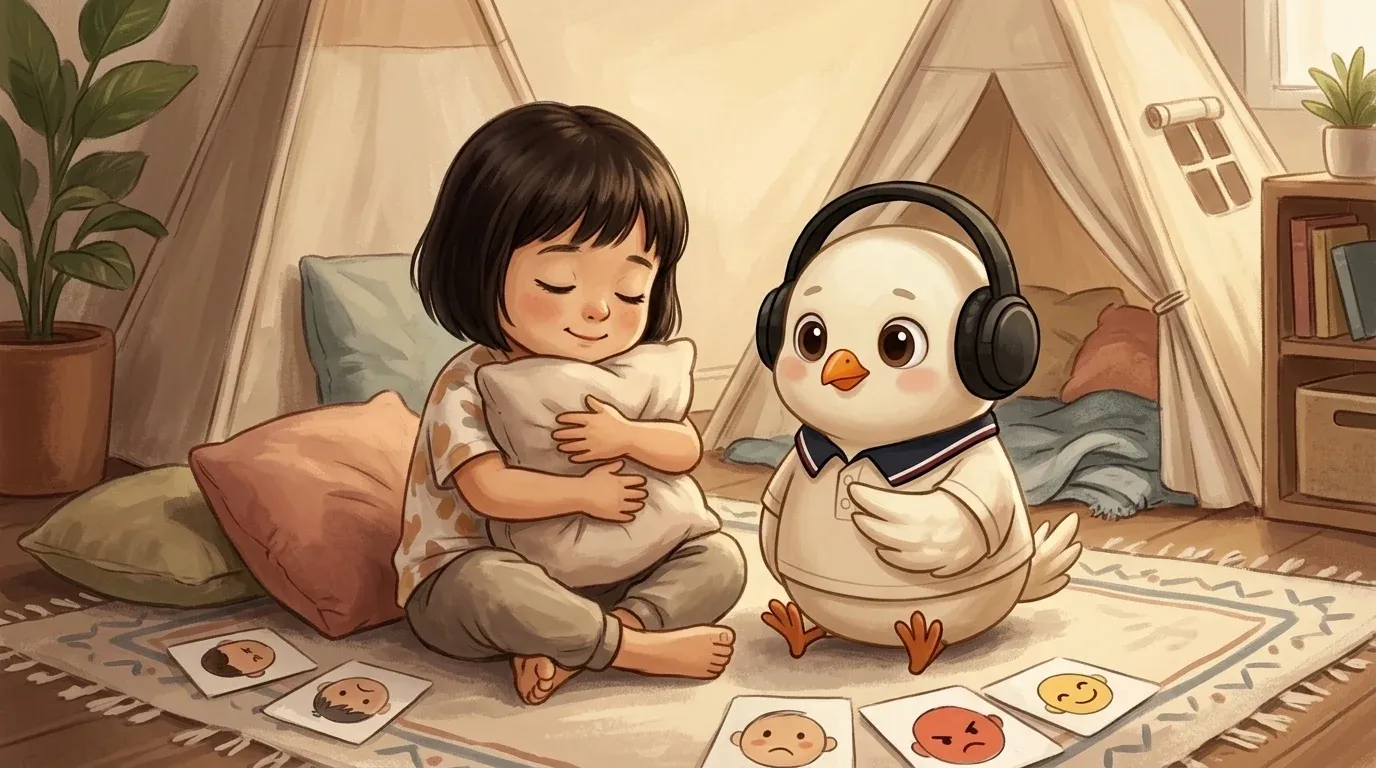
What you’re noticing
Signs that meltdowns need support
You’re not doing it wrong. Behaviour is communication, and calmer days are possible.
- Meltdowns that last a long time, or happen many times a day
- Hitting, biting, throwing or running off
- Struggles to stop one activity and start another
- Gets very upset when routines change
- Outings, meals or bedtime feel like a battle
Understanding it
Tantrum or meltdown?
From toddler tantrums to meltdowns in older children, big reactions are common, especially in children who find communication, change or busy places hard. At ONE in Singapore, our child psychologist looks for the pattern behind the behaviour: what happens just before, what your child gets or avoids, and which skill is missing, such as asking for a break. Then we teach that skill, calmly and consistently.
Tantrum or meltdown: what’s the difference?A tantrum is about wanting something; a meltdown is overwhelm.
A tantrum is often about wanting something, and tends to stop once it’s clear the answer won’t change. A meltdown happens when a child is overwhelmed, by feelings, noise, change or tiredness, and can’t stop on their own. Both need calm adults; meltdowns also need us to reduce what’s overwhelming.
How do I stay calm during a tantrum?Breathe, lower your voice, and keep words to a minimum.
Take a slow breath first; your calm helps your child borrow calm. Get down to their level, keep words few and gentle, and keep everyone safe. Save the talking for later, once your child has settled. Afterwards, think about what happened just before, which is often the key to preventing the next one.
How ONE helps
Where we often start
Every child has goals in all 7 Pillars of Growth, set at the placement assessment. For meltdowns & behaviour, we often start here.



Programmes that fit
Where your child could start
Our psychologist recommends the right fit after meeting your child.
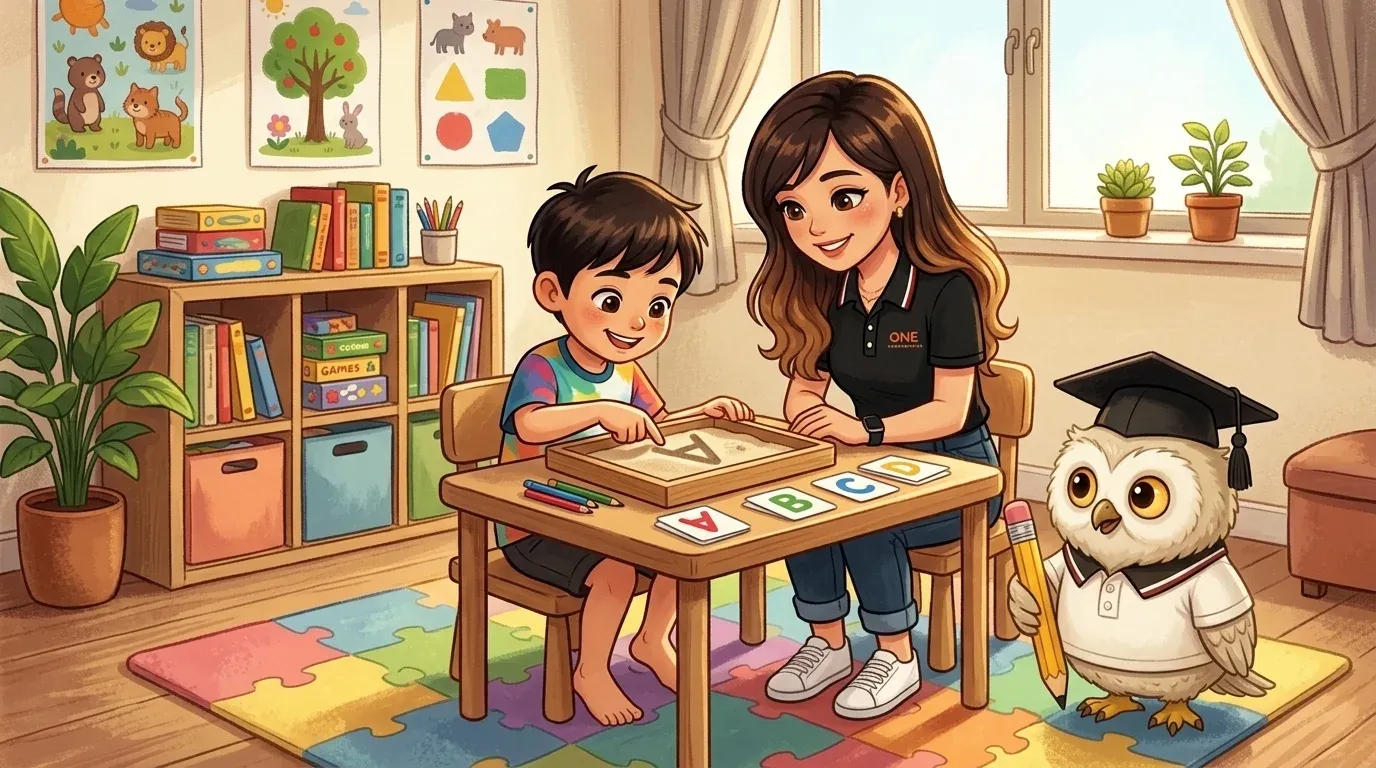 All ages1:1 Education TherapyA personal calming plan, worked on one-to-one, weekdays or SaturdaysSee the programme
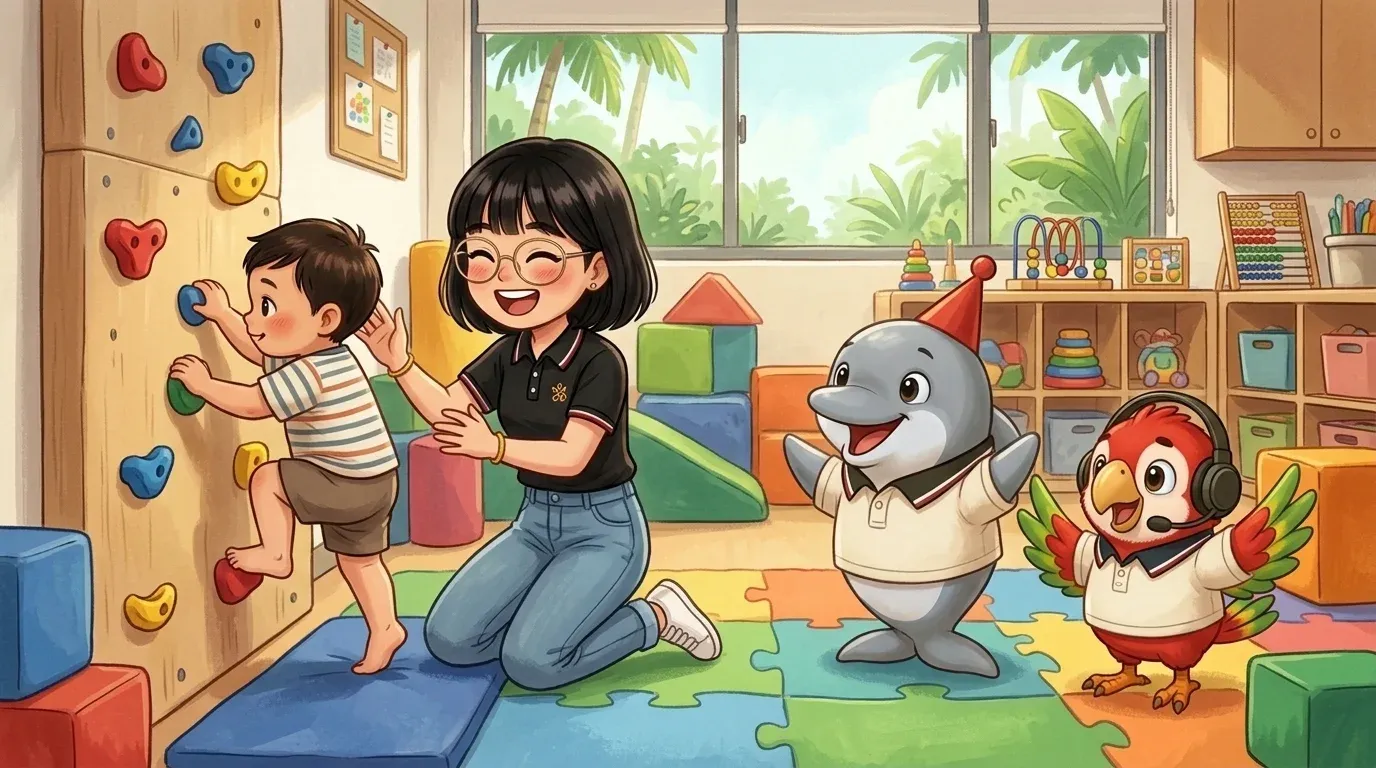 18 months – 6Early InterventionRoutines and feelings, practised in a small groupSee the programme
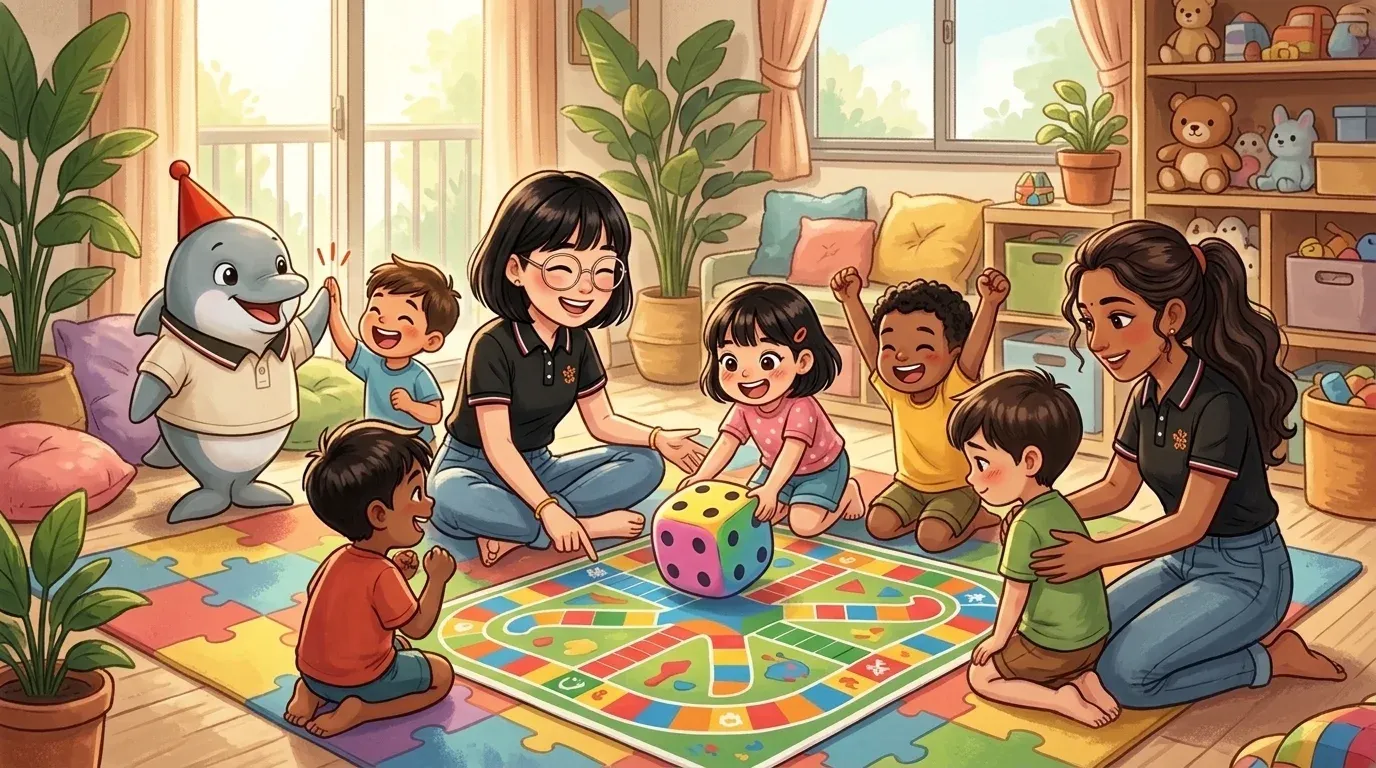 All agesWeekend Social Learning GroupCoping with waiting and losing in Saturday group gamesSee the programme
Try at home
Three things you can start today
FAQ
Questions parents ask
Are autism meltdowns different from tantrums?
Yes. An autism meltdown usually happens when a child is overwhelmed by noise, change, crowds or not being understood, and they can’t stop it by choice. What helps is reducing the overwhelm, keeping things predictable with visual schedules, and teaching a way to ask for a break. Punishment doesn’t help a meltdown.
My 6-year-old is still having meltdowns. Is that normal?
Some meltdowns are normal at any age, but frequent or intense meltdowns at 6 can point to difficulties with emotional regulation, communication, sensory sensitivities, anxiety, ADHD or autism. It’s worth getting advice; the right support can make a big difference.
Are anger issues normal in a 3-year-old?
Big feelings are a normal part of being 3. Children this age are still learning to name feelings and wait. It’s worth checking if outbursts are very frequent, last a long time, involve hurting themselves or others, or don’t improve with consistent routines.
What happens if my child has a meltdown at ONE?
Meltdowns are a normal part of how many children communicate, and we plan for them. One of our therapists stays close to your child in a calm, quieter space, with few words and a gentle voice, while the other children carry on with another therapist. Once your child is settled, we reconnect and ease back into the activity. Afterwards our psychologist looks at what led up to it and builds a calming plan around your child, and we let you know the same day, so home and centre can use the same approach.
Is it my parenting?
Meltdowns are common in children who find communication, change or sensory input hard. The strategies you learn with us make a real difference at home.
Does my child need a diagnosis?
No. We start from what you’re seeing. If your child has reports, bring them along; they help us plan.
Can we come on Saturdays?
Yes. 1:1 sessions and the Weekend Social Learning Group run on Saturdays.
What happens next
Four simple steps
No commitment until you’ve met us.
Every child grows at their own pace.
You don’t have to figure it out alone. Visit either centre and meet the team.
★ 5.0 on Google · We usually reply the same working day