
Who we help › Picky eating
Picky eating & mealtimes
Picky Eating in Toddlers & Children: Help in Singapore
Eats only a handful of foods, gags at new textures, or every meal is a battle? We help children explore food at their own pace, without pressure.
📍 Eunos, Singapore · 5 minutes from Eunos MRT, easy to reach from Paya Lebar, Bedok and Geylang
✓ Reviewed by Grace Teo, child psychologist (Master’s in Educational Psychology) · November 2026

What you’re noticing
Signs picky eating needs extra support
Picky eating is common, and it isn’t your fault. Pressure makes a worried eater more worried; small, playful steps make the difference.
- Eats fewer than 20 foods, or the list keeps shrinking
- Only accepts certain brands, colours or textures
- Gags, spits out or gets upset at new foods
- Mealtimes take a long time, or end in tears
- Still prefers soft or puréed food past the toddler years
- Finds biting, chewing or drinking from a cup hard
Understanding it
Picky eater, or something more?
Picky eating is very common between ages 2 and 6, and most children grow out of it. Some stay very selective because new tastes, smells or textures feel overwhelming, or because chewing is harder for them. At ONE in Singapore, our Food Exploration sessions help children look at, touch, smell and taste new foods step by step, with no pressure to eat.
Is it normal for a 2-year-old to become a picky eater?Yes, very common.
Many toddlers become more cautious with food around age 2. Fear of new foods tends to peak between 2 and 6. It usually eases with calm, repeated exposure. It’s worth extra support if the list of foods is very short, getting shorter, or affecting growth.
What is ARFID?A feeding condition that’s more than picky eating.
Avoidant/restrictive food intake disorder (ARFID) is diagnosed by a doctor when restricted eating affects growth, nutrition or daily life, often driven by sensory sensitivity, fear of choking or vomiting, or low interest in food. If you’re worried, speak to your doctor; we can support food exploration alongside medical care.
How ONE helps
Where we often start
Every child has goals in all 7 Pillars of Growth, set at the placement assessment. For picky eating, we often start here.



Food Exploration at ONE
Small-group sessions where children explore new foods through play, at their own pace and with no pressure to eat. Food goals can also be worked on one-to-one.
Programmes that fit
Where your child could start
Our psychologist recommends the right fit after meeting your child.
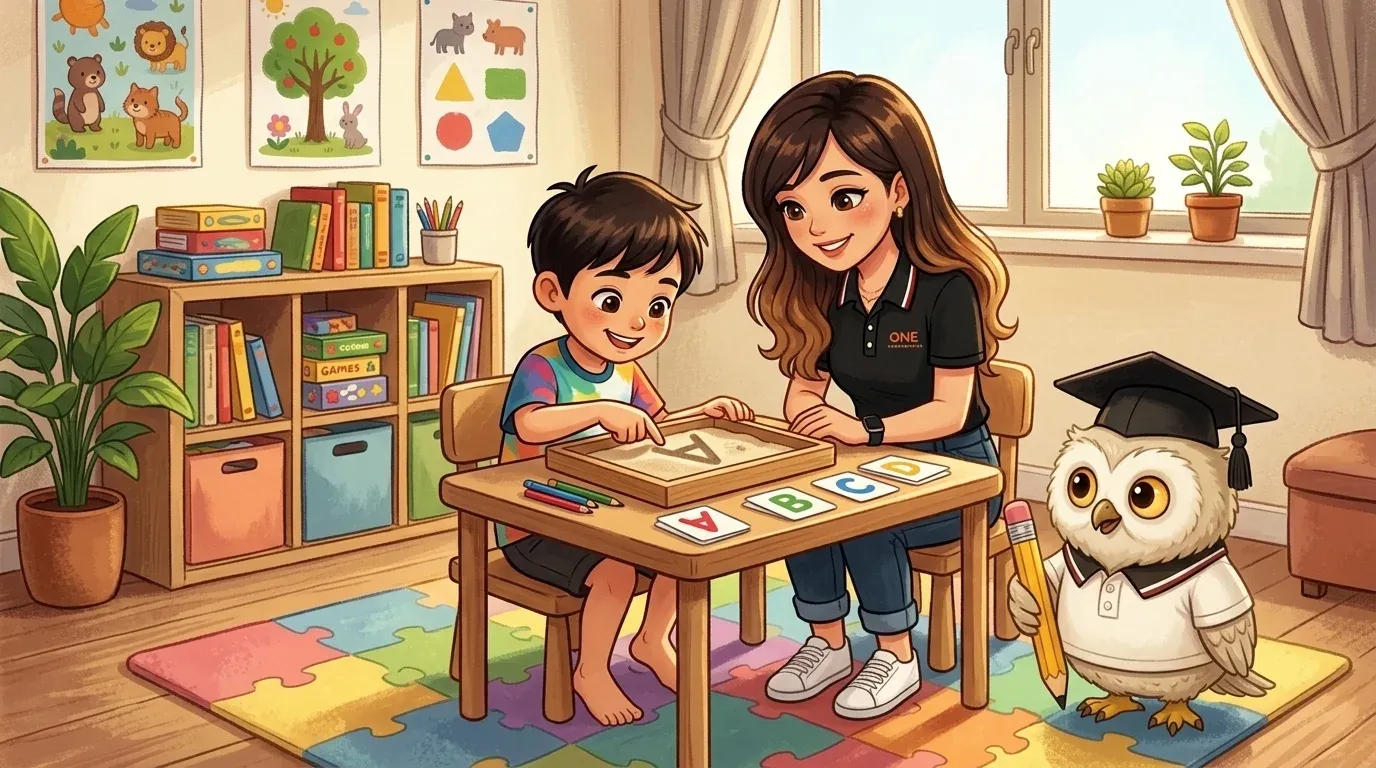 All ages1:1 Education Therapy
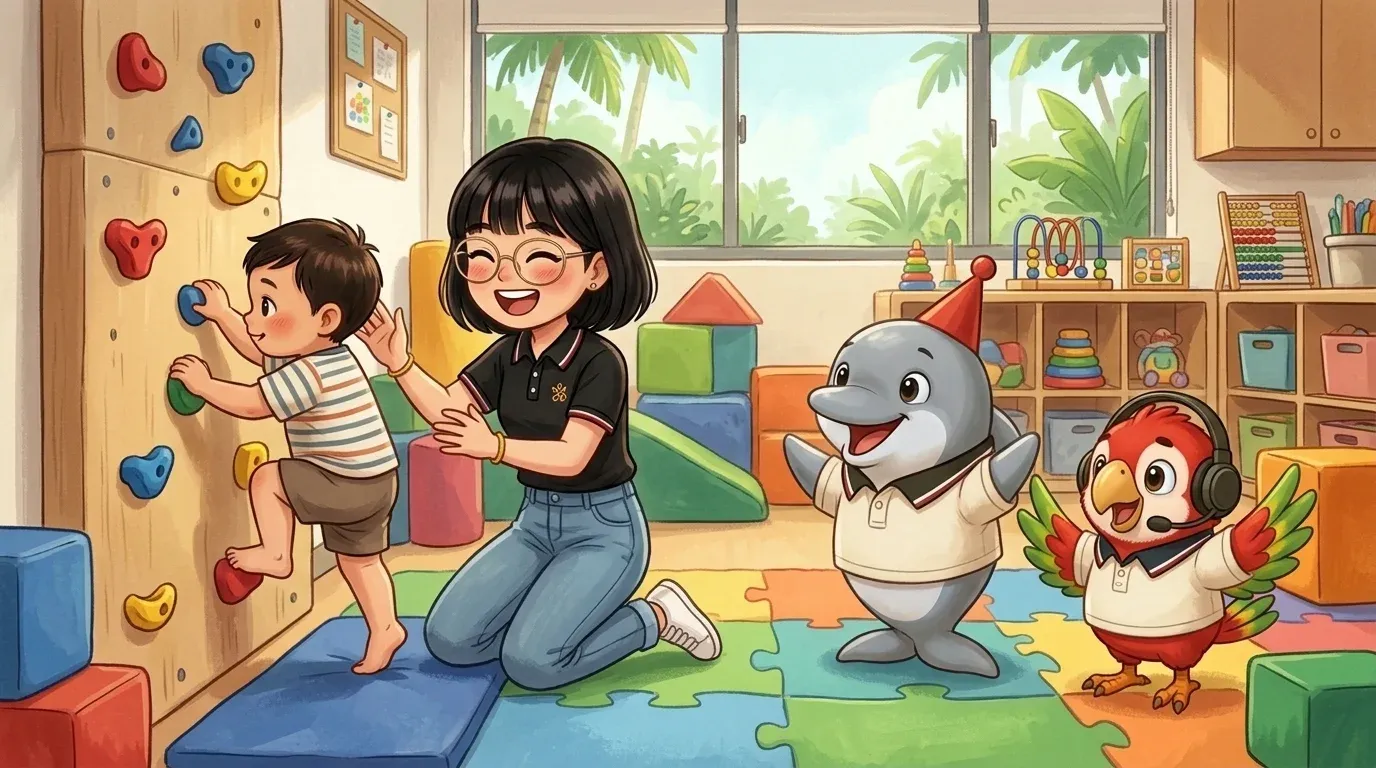 18 months – 6Early Intervention
 7 – 12Life & Learning
Try at home
Three things you can start today
FAQ
Questions parents ask
Is my child just a fussy eater?
Most fussy eaters still eat a reasonable range of foods from each food group, grow well and slowly accept new foods. If your child eats fewer than about 20 foods, drops foods over time, gags or gets very upset at new foods, or isn’t growing well, it’s more than ordinary fussy eating and worth getting support.
What can I do if my toddler is a picky eater?
Offer small portions of new foods alongside favourites, eat together, keep mealtimes calm and pressure-free, and let your child explore food through play. It can take many tries before a child accepts a new food, and touching or smelling counts as progress.
At what age is picky eating the worst?
Picky eating often peaks between about 2 and 6 years, then gradually eases for most children.
Will my child grow out of it?
Many children do. If your child’s list of foods is very short, getting shorter, or affecting growth or family life, it’s worth getting support early.
Is Food Exploration a group or 1:1?
Food Exploration runs as small-group sessions, and food goals can also be worked on 1:1. Our psychologist will suggest the best fit after meeting your child.
Do you provide feeding therapy?
We’re not a feeding therapy clinic. Our team is trained in oral motor exercises, and food exploration is part of our Self-help pillar. If your child needs specialist feeding therapy, we’ll tell you and work alongside the specialist.
My child has autism and eats very few foods. Can you help?
Yes. Very selective eating is common in children with autism. We go slowly, use visual supports and respect your child’s sensory needs.
What happens next
Four simple steps
No commitment until you’ve met us.
Every child grows at their own pace.
You don’t have to figure it out alone. Visit either centre and meet the team.
★ 5.0 on Google · We usually reply the same working day