
Who we help › Late talking & speech delay
Late talking & speech delay
Late Talking & Speech Delay in Toddlers: Help in Singapore
Fewer words than other children, hard to understand, or pointing instead of talking? Here’s what’s typical, the red flags to watch for, and how we build communication through play.
📍 Eunos, Singapore · 5 minutes from Eunos MRT, easy to reach from Paya Lebar, Bedok and Geylang
✓ Reviewed by Grace Teo, child psychologist (Master’s in Educational Psychology) · November 2026
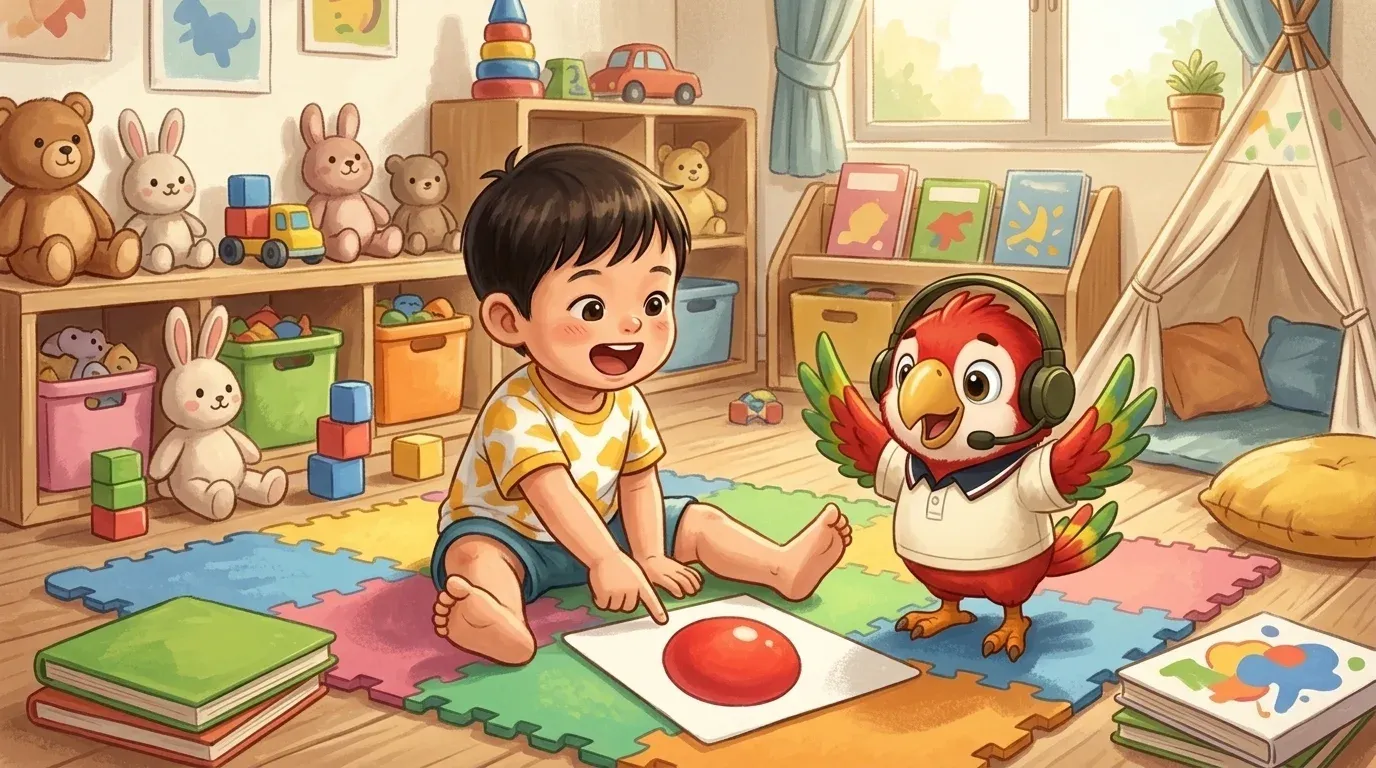
What you’re noticing
Signs of speech delay you might notice
Every child talks at their own pace, but you don’t have to wait and see. Early support is gentle, playful and never wasted.
- Says fewer words than other children the same age
- Points, pulls you or cries instead of asking
- Is hard for others to understand
- Doesn’t respond much to their name or simple instructions
- Repeats words or phrases rather than using them to ask
- You were told to “wait and see”
Understanding it
Why some children talk later
Speech delay in children is common. Many late talkers catch up, but some don’t, and words alone can’t tell you which. At ONE in Singapore, our child psychologist looks at how your child understands, plays, connects and communicates without words, then builds communication goals into play using the Hanen approach, including OWL (Observe, Wait, Listen).
Methods we useHanen approach, Visual supports, Verbal Behaviour and more
Is it normal for a 2-year-old to still not talk?Some variation is normal, but it’s worth checking.
By around 2, most children use about 50 words and are starting to put two words together. A child who isn’t yet doing this may be a late talker, and many catch up by 3 or 4. Some don’t, and it’s hard to tell which children will, so most professionals now recommend getting advice rather than waiting. Starting support early is gentle and never wasted.
What are the red flags for speech delay?No babbling by 12 months, no words by 18 months, no two-word phrases by 2.
Speak to your doctor if your child isn’t babbling by 12 months, isn’t pointing or waving by 12 to 15 months, has no single words by 18 months, isn’t combining two words by 2 years, doesn’t respond to their name, or loses words they used to say. These signs don’t mean something is wrong, but they’re a good reason for a developmental check.
How ONE helps
Where we often start
Every child has goals in all 7 Pillars of Growth, set at the placement assessment. For late talking & speech delay, we often start here.
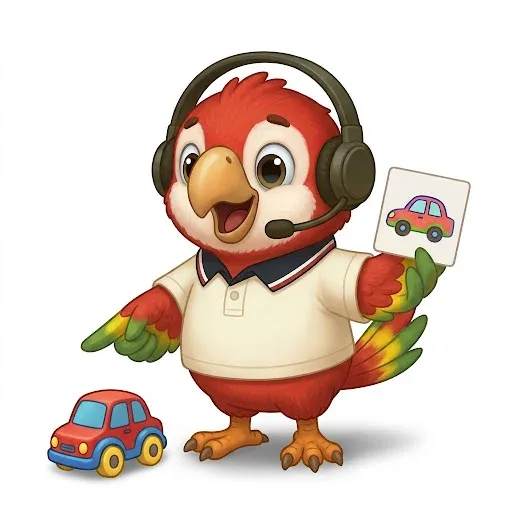

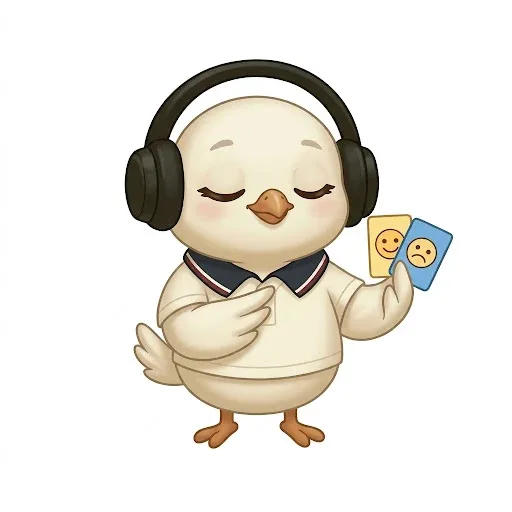
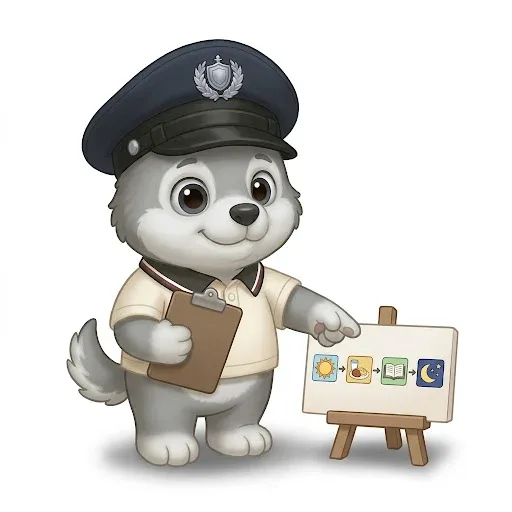
Programmes that fit
Where your child could start
Our psychologist recommends the right fit after meeting your child.
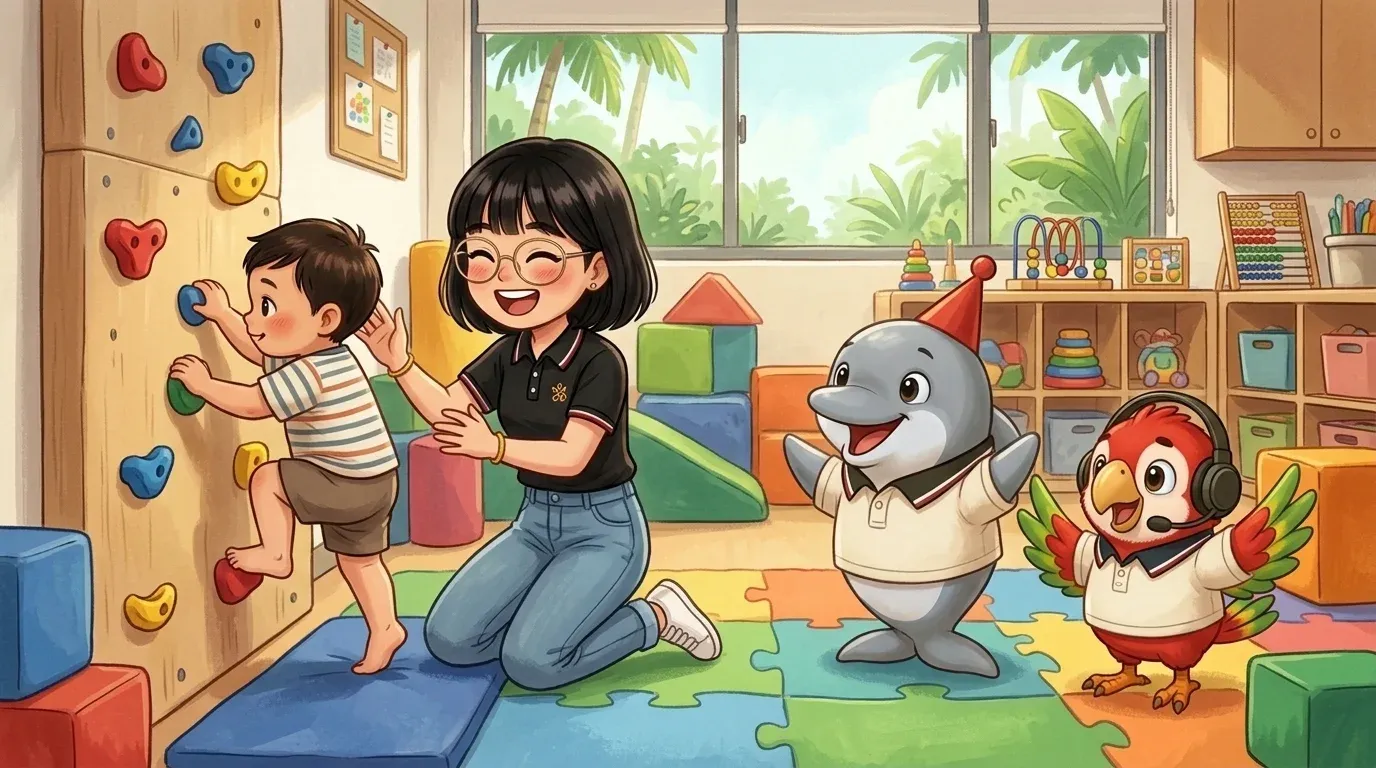 18 months – 6Early InterventionDaily communication goals through play, 18 months to 6See the programme
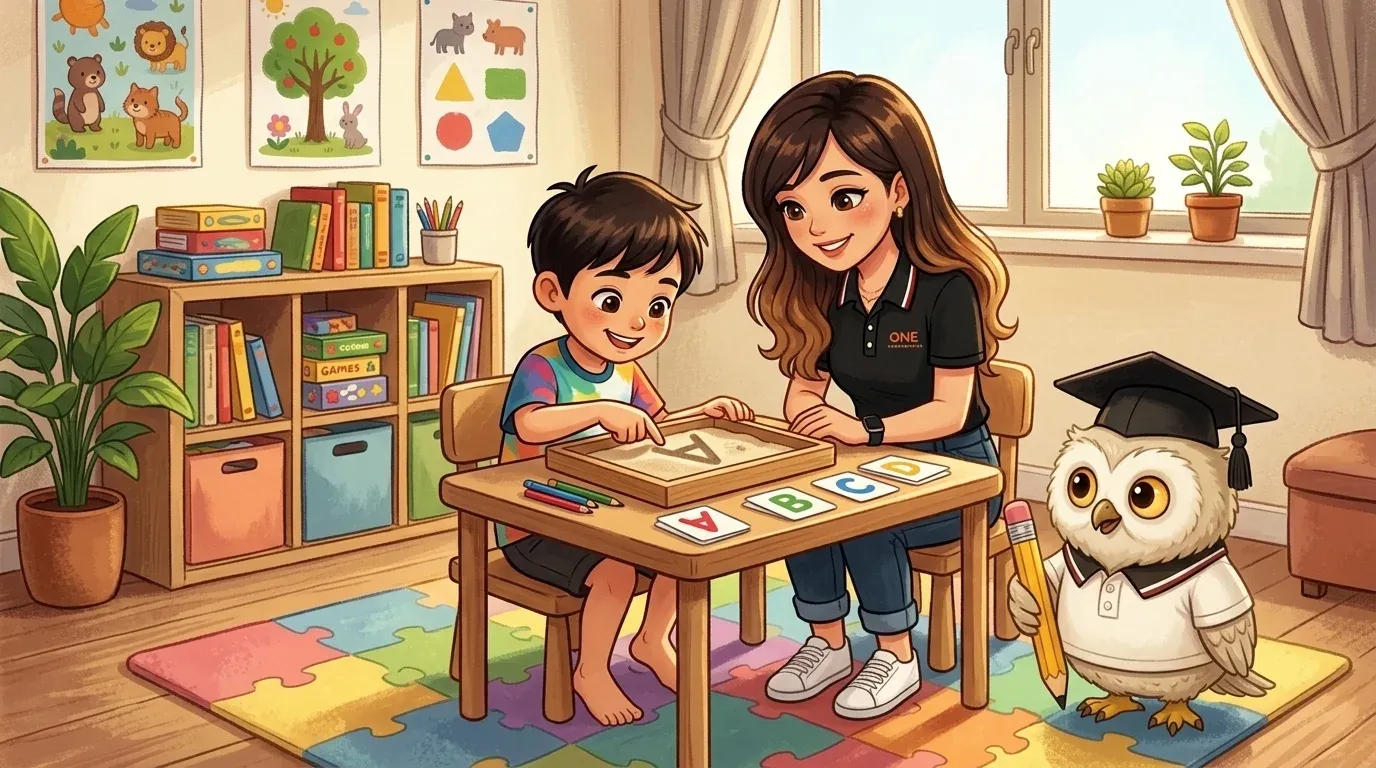 All ages1:1 Education TherapyFocused one-to-one time. Under-2s usually start hereSee the programme
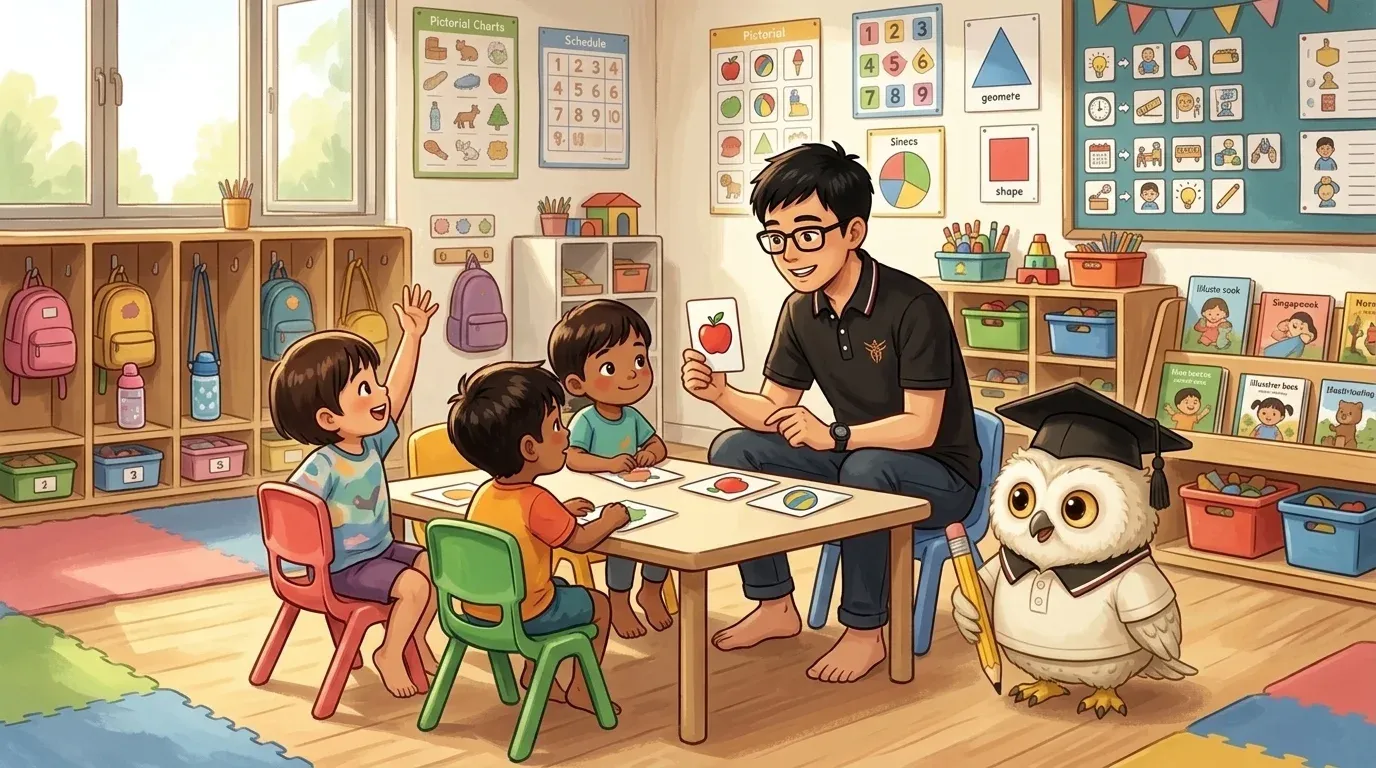 Under 7School ReadinessAnswering questions and sharing news, getting ready for Primary 1See the programme
Getting a diagnosis
Getting your toddler’s speech checked in Singapore
You don’t need a diagnosis or referral to start at ONE. If you’d like a formal assessment, this is the usual route.
A hearing test is often one of the first checks, because hearing affects speech. Source: KK Women’s and Children’s Hospital, Department of Child Development.
Try at home
Three things you can start today
FAQ
Questions parents ask
My toddler is not talking yet. What should I do?
Start by looking at the whole picture: does your toddler understand simple words, point, use gestures and enjoy back-and-forth play? Try the tips on this page, and speak to your doctor if your child has no words by 18 months or isn’t joining two words by 2. You don’t need to wait for an assessment to start support.
At what age do late talkers talk?
Many late talkers catch up by age 3 or 4, especially if they understand well, use gestures and play pretend. Some continue to have language difficulties, which is why early support is recommended rather than waiting to see.
Why is my toddler so active but not talking?
Some children put their energy into moving and exploring first, and talk a little later. If your child also points, shows you things and responds to their name, that’s reassuring. If they rarely point, make little eye contact or don’t respond to their name, speak to your doctor.
Does speaking two languages at home cause late talking?
No. Children can learn two or more languages, and being bilingual doesn’t cause speech delay. Count the words your child uses across all their languages.
Does ONE have a speech therapist?
Yes, we have a locum speech therapist. Speech and communication is also one of our 7 Pillars, planned by our child psychologist, who also trained in speech-language pathology, and we’re happy to work alongside your child’s speech therapist.
Could late talking be a sign of autism?
Late talking on its own doesn’t mean autism. If you also notice little interest in people, little eye contact or very repetitive play, speak to your doctor about a developmental assessment. You don’t need to wait for one to start support.
Does my child need a diagnosis?
No. Many families come to us before any assessment. If you have reports, bring them along; they help us plan.
What happens next
Four simple steps
No commitment until you’ve met us.
Every child grows at their own pace.
You don’t have to figure it out alone. Visit either centre and meet the team.
★ 5.0 on Google · We usually reply the same working day