
Who we help › Autism
Autism (ASD)
Autism Early Intervention & Support in Singapore
Every child with autism is different. Our child psychologist-led team builds on your child’s strengths and interests, from toddlers to teens, with goals that matter for your family.
📍 Eunos, Singapore · 5 minutes from Eunos MRT, easy to reach from Paya Lebar, Bedok and Geylang
✓ Reviewed by Grace Teo, child psychologist (Master’s in Educational Psychology) · November 2026
Signs you might notice
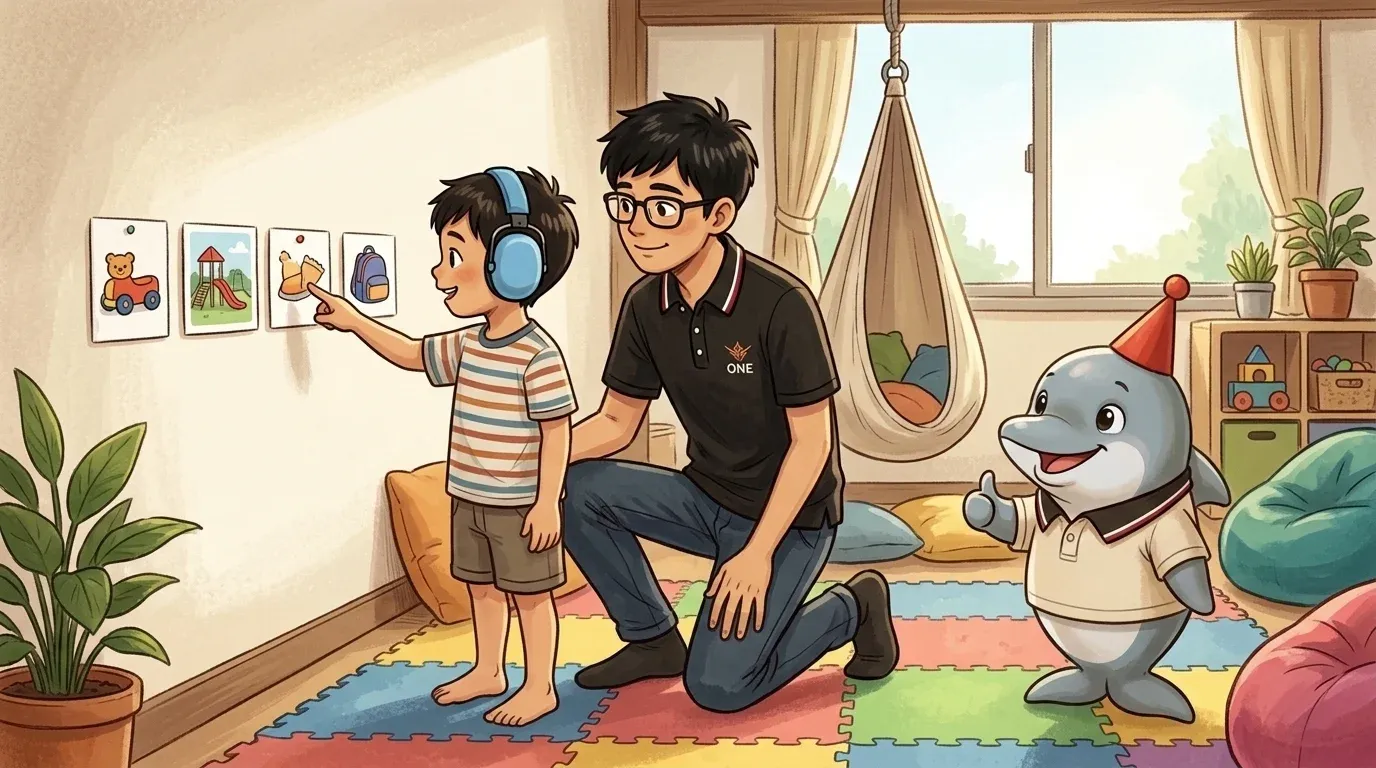
Autism symptoms and signs you might see
Autism is a different way of experiencing the world. We support children at every level of support, including children who don’t speak yet. Our aim isn’t to change who your child is, but to help them communicate, cope and enjoy more.
- Communicates in their own way, with or without words
- Prefers to play alone, or in their own way
- Loves routine and finds change hard
- Has deep interests or repeated movements
- Is sensitive to sound, touch or food, or eats very few foods
- Needs a lot of help with toileting, eating or dressing
- May hurt themselves or run off when distressed
Our approach
How we support children with autism
Autism therapy and early intervention at ONE in Singapore is planned by our child psychologist and taught through play, routines and real-life practice. Interests become motivation: a love of trains can teach counting, turn-taking and new words.
Methods we useTEACCH, Verbal Behaviour, Visual schedules & supports and more
Is this ABA therapy?ABA-informed, taught through play rather than drills.
Our approach is ABA-informed rather than a traditional ABA therapy programme. We use Verbal Behaviour (ABA-VB), which applies the principles of Applied Behaviour Analysis to language: breaking skills into small steps, clear and measurable goals, and positive reinforcement when your child communicates. We combine it with TEACCH structured teaching and the Hanen approach, and we teach through play, routines and real situations rather than long drills at a table. Many families find this keeps children motivated and helps new skills carry over to home and school.
How ONE helps
Where we often start
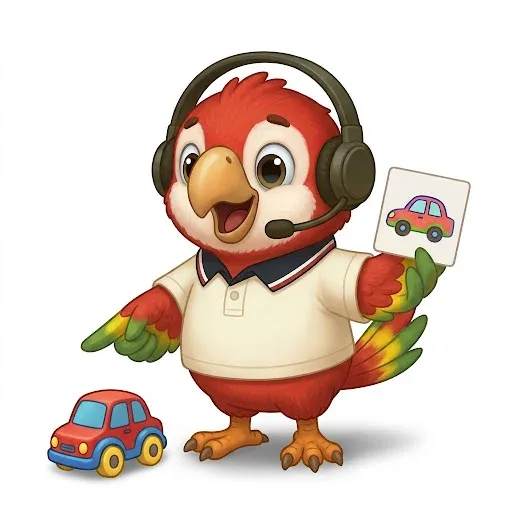
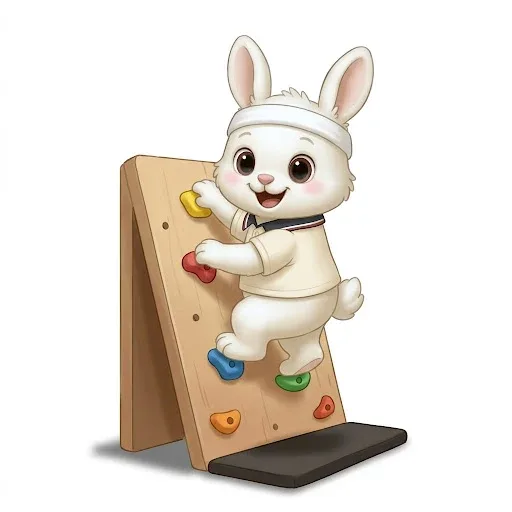
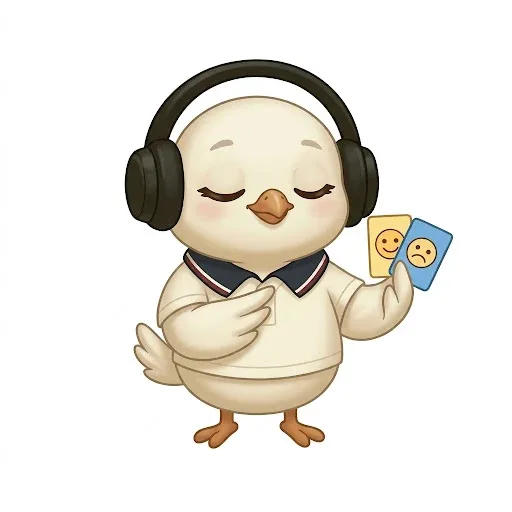
Every child has goals in all 7 Pillars of Growth, set at the placement assessment. For Autism, we often start here.


Programmes that fit
Where your child could start
Our psychologist recommends the right fit after meeting your child.
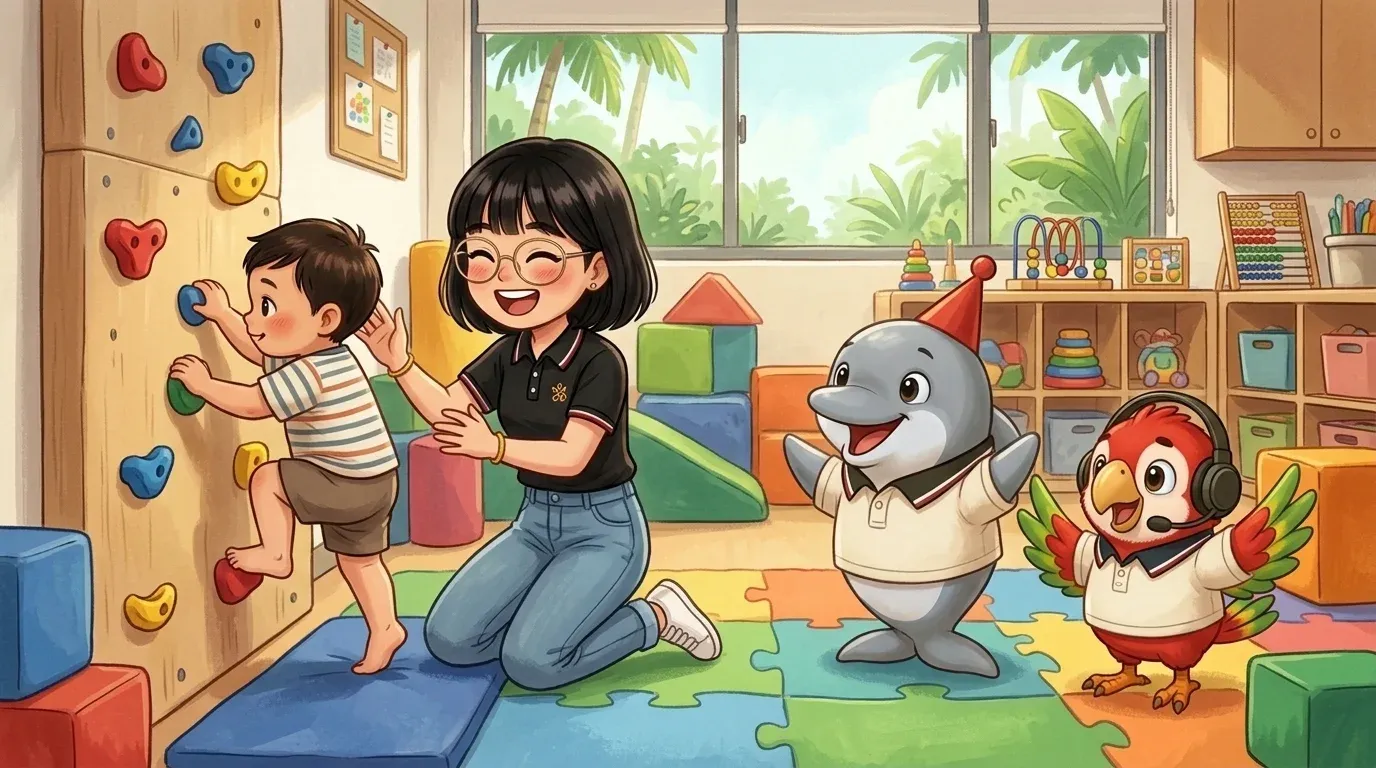 18 months – 6Early InterventionPlay-based goals across the 7 Pillars, 18 months to 6See the programme
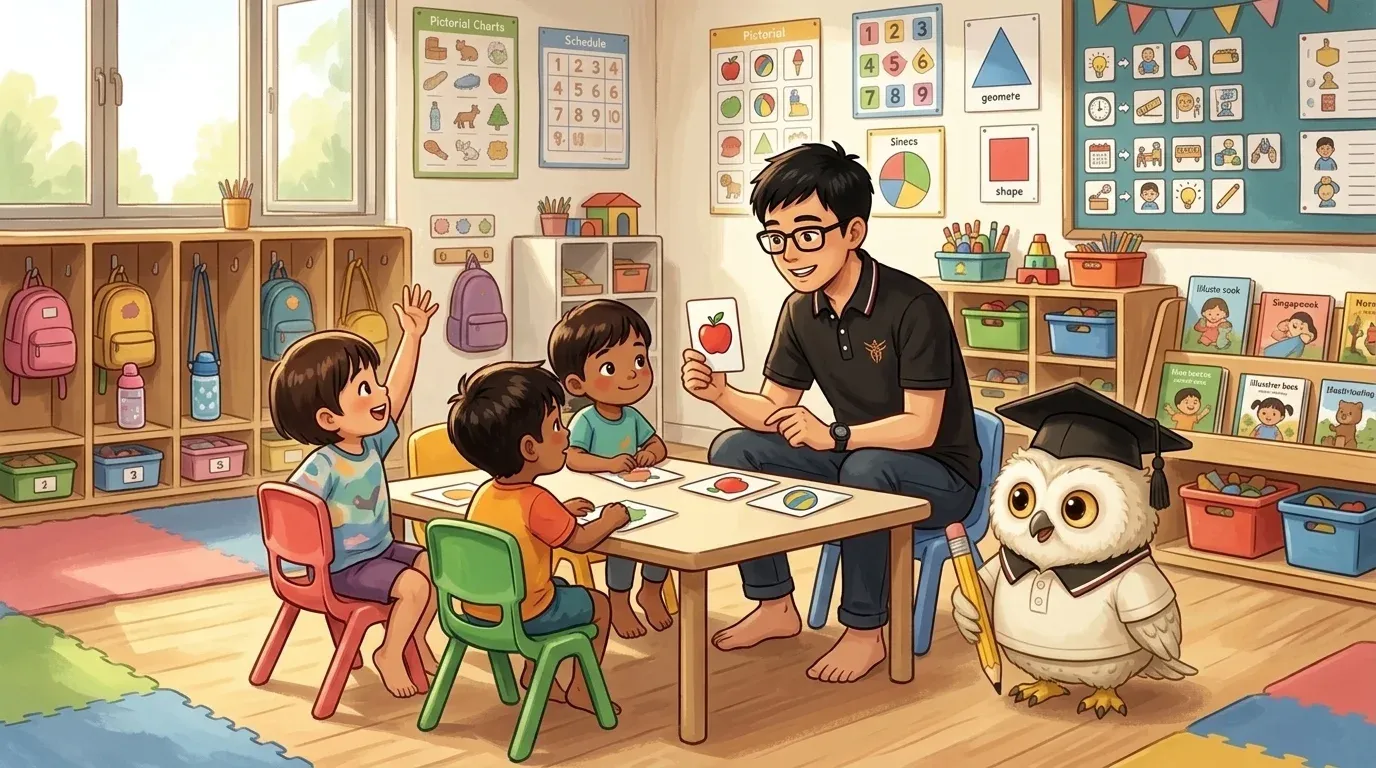 Under 7School ReadinessClassroom routines for a confident start to Primary 1See the programme
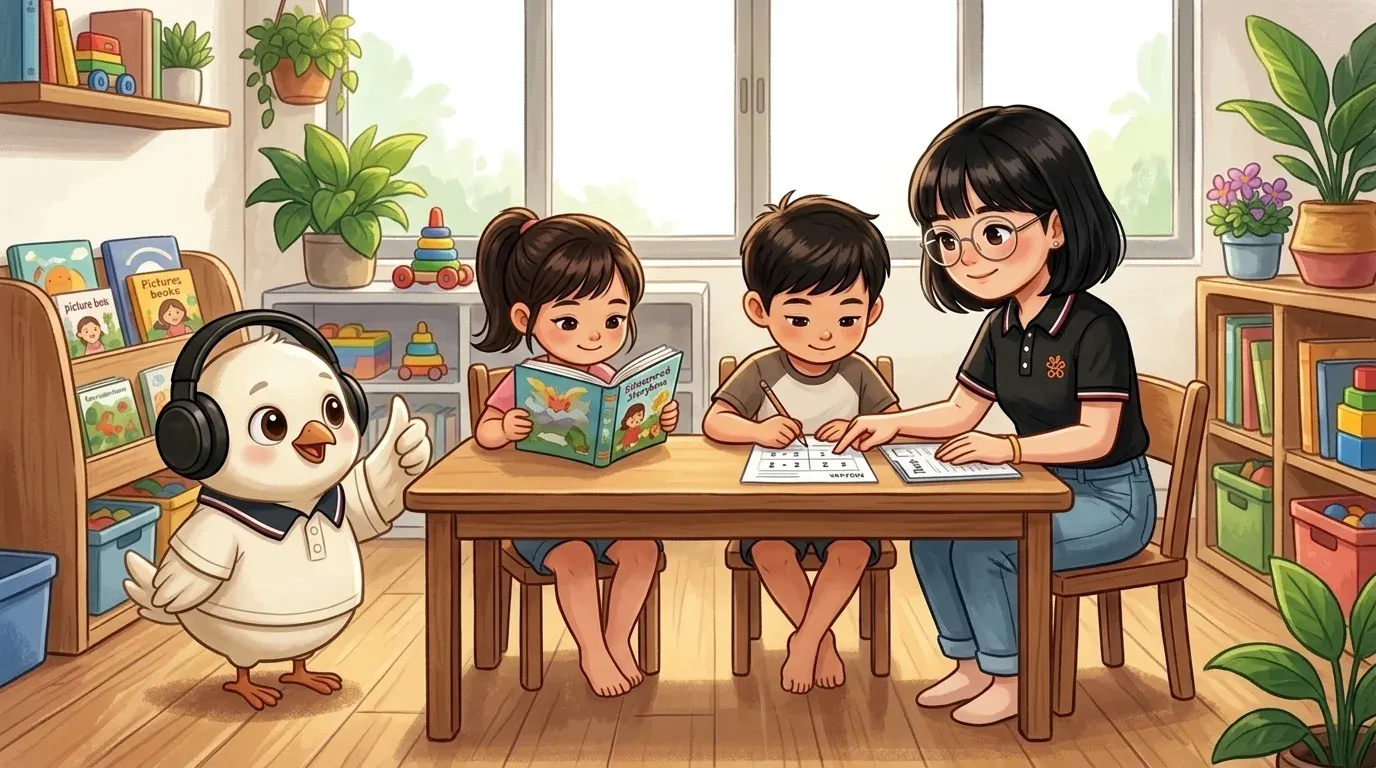 7 – 12Primary PlusLearning, focus and friendships alongside primary school, 7 to 12See the programme
 7 – 12Life & LearningLife skills and everyday learning, 7 to 12See the programme
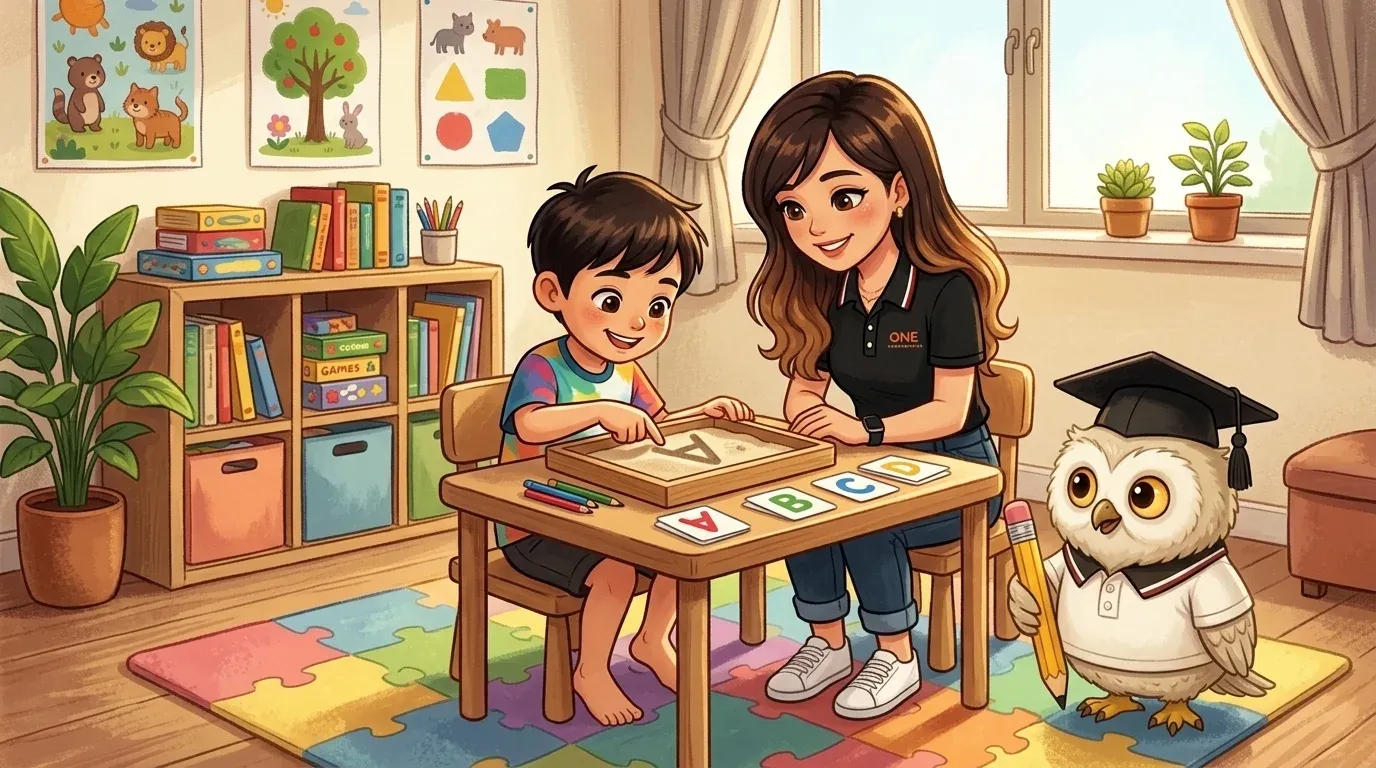 All ages1:1 Education TherapyOne-to-one at your child’s pace, any age, including teensSee the programme
 All agesWeekend Social Learning GroupSaturday social practice in a small groupSee the programme
Getting a diagnosis
Getting an autism assessment in Singapore
You don’t need a diagnosis to start at ONE. If you’d like a formal assessment, this is the usual route.
School-age children may be referred to a different service. Your doctor will advise on the best route for your child’s age. Source: KK Women’s and Children’s Hospital, Department of Child Development.
Try at home
Three things you can start today
FAQ
Questions parents ask
Is there an autism test?
There’s no single blood or online test. Online questionnaires can flag concerns, but autism is diagnosed through a developmental assessment by a paediatrician or psychologist, who observes your child and talks with you. If you’re worried, speak to your doctor.
Is ONE an autism school?
ONE is an early intervention and special education centre rather than a full-time school. Children can come alongside preschool or school, and full-day sessions suit children who aren’t in school yet.
Can my child join without a formal diagnosis?
Yes. Many families start with us while waiting for a hospital or private assessment. Our placement assessment isn’t a diagnosis; it helps us understand your child and choose the right programme. If you later receive a diagnosis or reports, we’ll add their recommendations to your child’s plan.
How do I get an autism diagnosis in Singapore?
Start with your family doctor, a polyclinic or your child’s paediatrician. They can refer you to a hospital child development unit, such as KKH’s Department of Child Development, or you can see a private paediatrician or psychologist. You don’t need to wait for the result to start support at ONE.
What are the early signs of autism in toddlers?
Signs vary, but parents often notice little response to their name, few gestures like pointing or waving, limited back-and-forth play, late or unusual speech, strong reactions to sounds or textures, and a strong need for sameness. Every child is different, and one sign alone doesn’t mean autism. If you’re worried, speak to your doctor.
My child doesn’t talk yet. Can you help?
Yes. We support every way of communicating, including pictures, gestures and signs as well as words. Using pictures or signs doesn’t stop speech from developing; for many children it reduces frustration and makes talking easier. Communication goals are set for your child and practised in every session.
How is ONE different from EIPIC?
EIPIC is the government-funded early intervention programme, run by appointed centres after a referral. ONE is a private centre and isn’t part of EIPIC or EIPIC-P. You don’t need a referral to start, and you can choose the programme, schedule and support that fit your family.
How much does it cost?
Fees depend on the programme and how often your child comes. We’ll recommend a plan after meeting your child, then share our fee guide with you. WhatsApp us and we’ll send it.
Is this ABA?
Our approach is ABA-informed. We use Verbal Behaviour (ABA-VB), which applies ABA principles such as clear, measurable goals and positive reinforcement to communication, alongside TEACCH structured teaching. We teach through play and everyday routines rather than drills. Every plan is set by our child psychologist, and goals are tracked every week.
My child is older. Is it too late?
No. Our group programmes run from 18 months to 12, and 1:1 is open to every age, including teens. Primary Plus and Life & Learning support older children alongside, or instead of, academic learning.
How will I know it’s working?
Your child’s goals are tracked every week, and you get a progress report every month with what your child achieved, what we’ll work on next and tips to try at home. Our psychologist reviews progress and adjusts the plan as your child grows.
What happens next
Four simple steps
No commitment until you’ve met us.
Every child grows at their own pace.
You don’t have to figure it out alone. Visit either centre and meet the team.
★ 5.0 on Google · We usually reply the same working day