Quick answer
Animal scientist Temple Grandin, climate activist Greta Thunberg, singer Sia, wildlife presenter Chris Packham, singer Susan Boyle and actress Daryl Hannah have all spoken publicly about having autism. Their stories show children that autism brings real challenges and real strengths. Famous people from history, like Einstein or Emily Dickinson, cannot be diagnosed, so treat those stories as guesses, not facts.
Updated 24 Nov 2026: rewritten by the ONE Editorial Team. Names now include only people who have spoken about their own autism, and the photos have been replaced with our own illustrations.
Children with autism often hear about what they find hard. Stories of people with autism who have found their place in the world can help balance that. Here are six well-known people who have talked openly about their autism, and simple ways to share their stories with your child.
6 famous people who have spoken about their autism
1. Temple Grandin, animal scientist
Diagnosed as a young child, she did not speak until she was nearly four. She became a professor of animal science and designed more humane facilities for farm animals, using her strong visual thinking to see the world the way animals do. She has written many books about autism.
Why this helps: her story shows how a child’s way of thinking, such as thinking in pictures, can become a strength.
2. Greta Thunberg, climate activist
The Swedish activist has shared that she was diagnosed with Asperger’s syndrome, now part of autism spectrum disorder. She has described being different as a superpower, and says her deep focus helped her stick with one big cause.
3. Sia, singer-songwriter
The Australian singer, known for hits like Chandelier, said in 2023 that she is on the autism spectrum, and that understanding it helped her feel more like herself.
4. Chris Packham, wildlife presenter
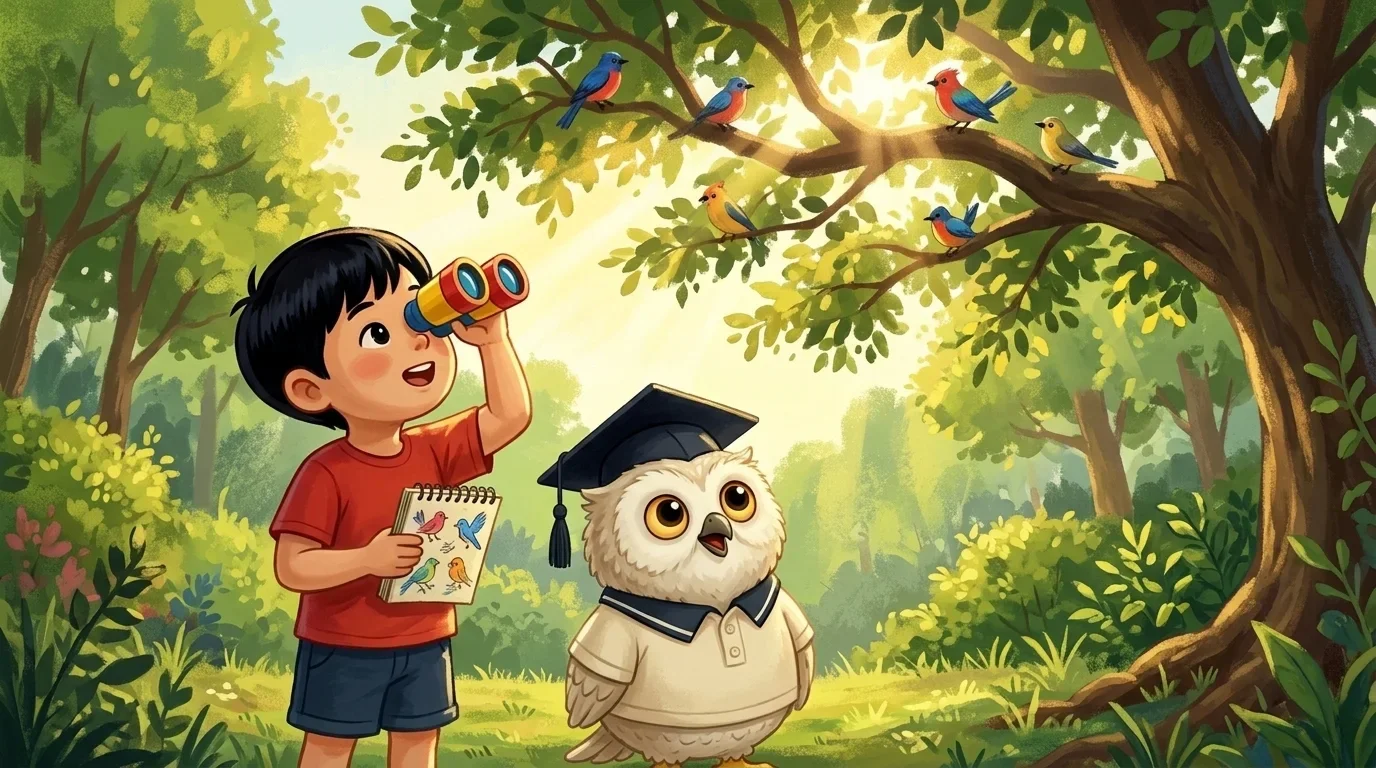
The British naturalist and BBC presenter was diagnosed in his forties. He has spoken about feeling different as a teenager, and how his intense love of nature became his career.
Why this helps: his story shows how a special interest can grow into a job and a lifelong joy.
5. Susan Boyle, singer
The Scottish singer became famous on Britain’s Got Talent in 2009. In 2013 she shared that she had been diagnosed with Asperger’s syndrome, and said the diagnosis was a relief because it finally explained her difficulties.
6. Daryl Hannah, actress
The actress, known for films like Splash, has said she was diagnosed with autism as a child and was very shy, but found her way through acting and later through environmental work.
What about Einstein, Newton or Emily Dickinson?
You may see lists that include people from history, such as Albert Einstein, Isaac Newton, Henry Cavendish or Emily Dickinson. Nobody can diagnose someone who lived long ago, and these claims are based on stories about their behaviour. They are interesting, but they are guesses, not facts. Some actors and public figures have also been reported to have autism in the news, but have not confirmed it themselves, so we have left them out.
How can you use these stories with your child?
- Keep it simple. “Your brain notices details and loves to learn about the things you’re interested in. Some things, like busy places or chatting in groups, can feel harder.”
- Talk about support, not just talent. These people had families, teachers and friends who helped them.
- Avoid pressure. Your child does not need to be famous or gifted to be valued. Celebrate small wins and everyday kindness too.
- Connect to their interests. If your child loves animals, Temple Grandin and Chris Packham are great places to start.
ONE teacher tip
Make a “My strengths” jar together. Each time your child does something well, write it on a slip of paper and add it to the jar. Read them together on a hard day.
At ONE, our Early Intervention and School Readiness programmes build on each child’s strengths and interests, with our child psychologist planning every goal.
Want ideas to build your child’s confidence? WhatsApp us to visit our centre in Eunos, a short walk from Eunos MRT.
Free printable
Picture cards that help your child notice and celebrate what they are good at. Get the free PDF
Questions parents ask
Should I tell my child about famous people with autism?
Yes, if your child knows about their diagnosis. Stories can help them feel less alone. Keep the focus on effort, support and being themselves.
Is autism a superpower?
Some people with autism describe it that way, and many have real strengths. But autism also brings real challenges, and children need support with those too. Both can be true.
Why isn’t Einstein on this list?
Because no one can diagnose someone after their death. We only include people who have spoken about their own diagnosis.
Are there famous people with ADHD too?
Yes. Read famous people with ADHD: 6 stories to share with your child.
Read next
1. Famous people with ADHD: 6 stories to share with your child
2. What’s Wrong With “High-Functioning Autism”? Better Ways to Describe Needs
3. Autism Explained: Causes, Signs and How to Support Your Child
Facts about each person come from their own public interviews and statements, reported in the news sources below.
Sources: Temple Grandin (Biography.com); NBC News: Greta Thunberg; CBS News: Sia; ITV News: Chris Packham; Inquirer (AP): Susan Boyle; TODAY: Daryl Hannah.