Quick answer
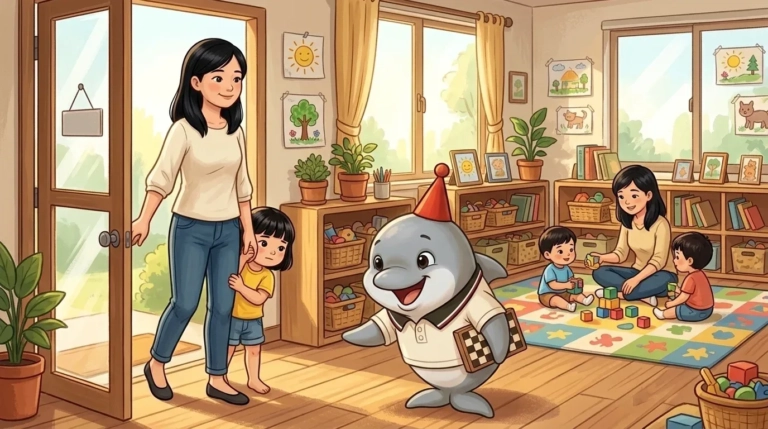
Selected classes at ONE swim regularly in the pool right outside our Centropod centre. Water play builds confidence, balance and body awareness, and the routine around it (changing, packing a bag, following pool rules) practises real-life skills too. Water play is also a great way to release energy, so children often come back calmer and ready to learn.
For many children, the pool is the best part of the fortnight. It is also one of the richest learning times of the week, and it starts long before anyone gets wet.
Before we swim: getting ready
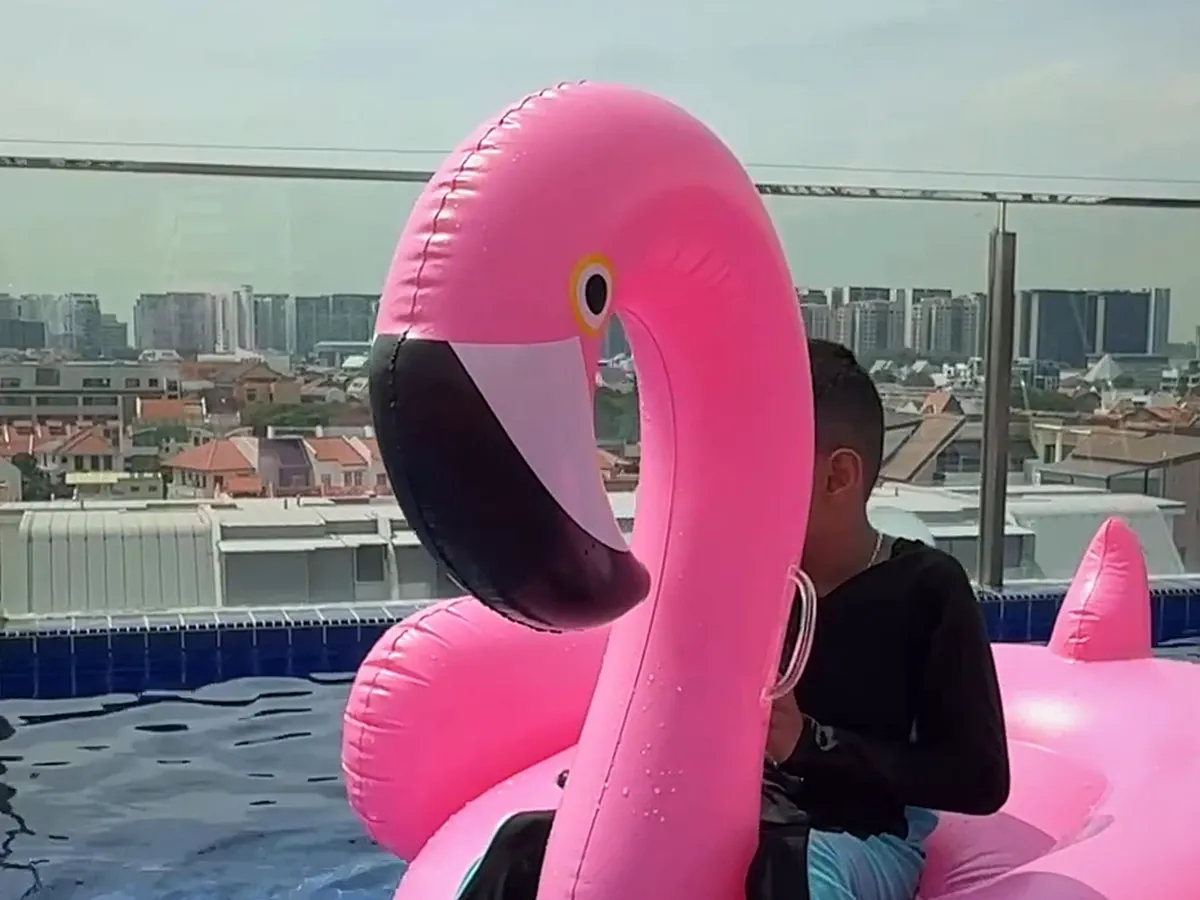
Getting changed, putting clothes in a bag and finding a towel are all self-help skills. We break them into small steps and use picture cards, so children can do more by themselves each time.
In the water
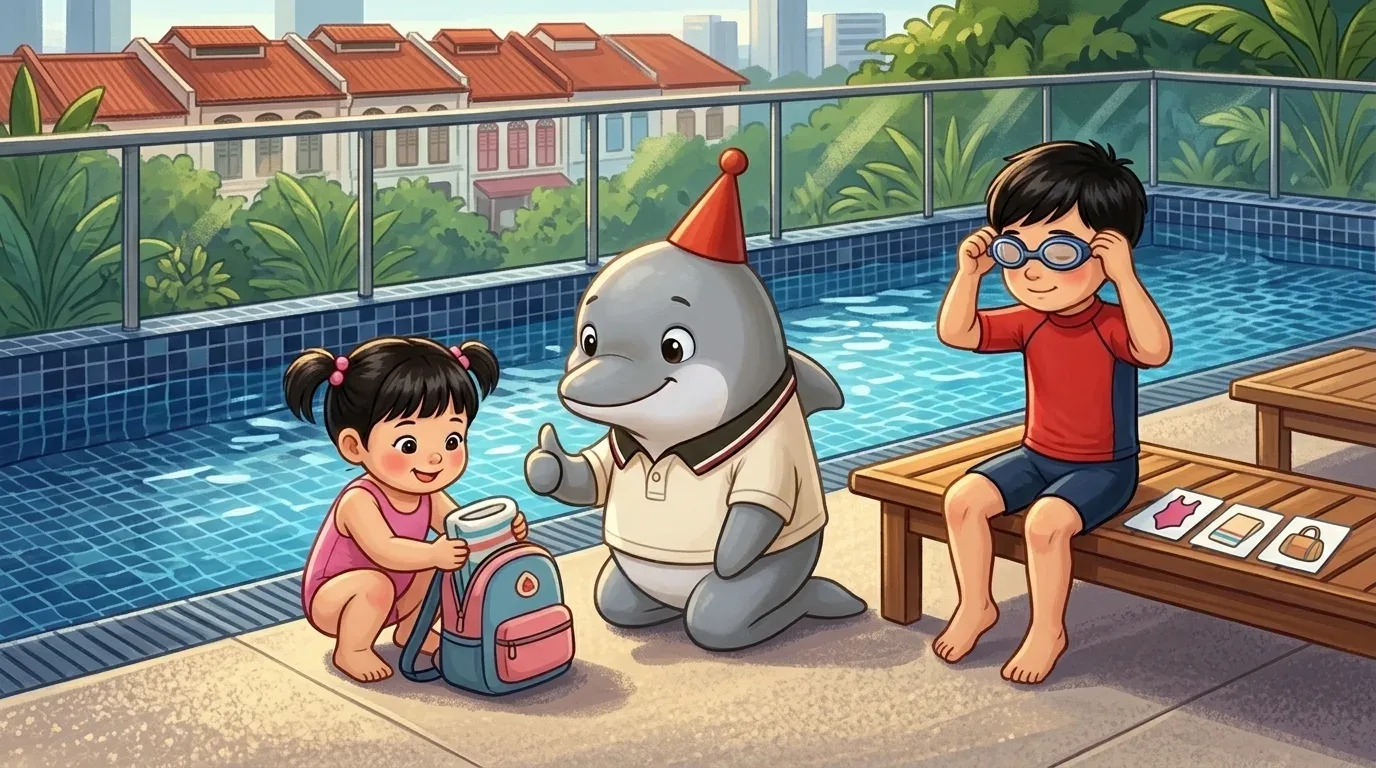
- Confidence: splashing, blowing bubbles and getting the face a little wet, at the child’s own pace.
- Balance and strength: water supports the body and gently pushes back, which many children find calming.
- Listening: pool rules are simple and clear: walk, wait, and stay with your teacher.
- Playing together: passing a ball, taking turns on the float and cheering for friends.
Pool games with a purpose
We sneak learning into the water. Children read the simple word on a balloon (sun, bat), then splash it. Or they aim a water squirter at the circle, the triangle or the square on the wall. It practises reading, shapes, listening and taking turns, while everyone has fun.

Water safety comes first
Children are always within an adult’s reach in and around the water. We teach the same simple rules every time, so they become a habit: walk, do not run; wait for your teacher; and get in only when an adult says “go”.
ONE teacher tip
Practise at bath time. Pour water over the back of the head, blow bubbles, and let your child hold the cup. Small, playful steps at home make the first time in the pool much easier.
Try it at home
- Bubble blowing: blow bubbles in a cup of water through a straw, then in the bath.
- Goggles practice: wear goggles in the bath or at the table so they feel normal.
- Pack the swim bag: use a picture list: swimsuit, towel, goggles, bag for wet clothes.
How ONE helps
Swimming is one of the real-world experiences we build into the week, together with supermarket outings and our own climbing wall. Each child’s goals come from their plan in the 7 Pillars, set by our child psychologist.
Would you like to know if swimming fits your child’s class? WhatsApp us or book a centre visit.
Good to know
Our students swim on alternate Thursdays. Parents are also welcome to bring their own children for a swim after lessons, a lovely way to practise water confidence together.
Questions parents ask
Does my child need to know how to swim?
No. Many children start by sitting on the edge and splashing. We build confidence step by step.
Is swimming good for children with autism?
Many children with autism love the water, and it can help with calm, balance and body awareness. Water safety matters even more for children who are drawn to water, so supervised practice and clear rules are important.
Which children swim?
Swimming is for selected classes. WhatsApp us and we will tell you whether it is part of your child’s programme.
This article is general information, not medical advice.