Quick answer
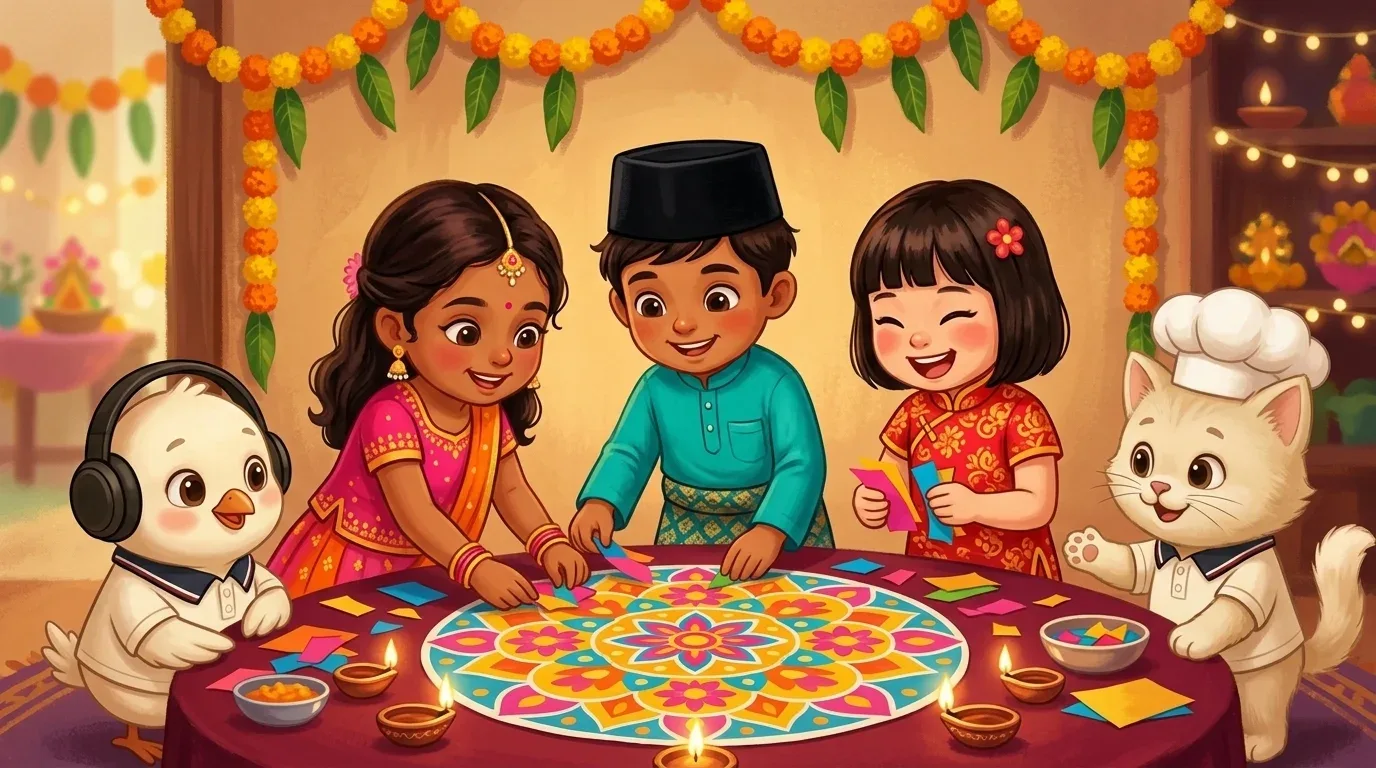
ONE Intervention Centre celebrated Deepavali 2026 with an outing to the Little India light-up on Wednesday 4 November and a festive celebration at the centre on Thursday 5 November, where children made paper rangoli, held glowing diyas and learned how the Festival of Lights is celebrated by Hindu families in Singapore.
Deepavali, the Festival of Lights, is celebrated by Hindu families across Singapore to mark the victory of light over darkness and good over evil. For our children, it is also a joyful chance to learn about a friend’s culture through colour, light, food and music.
A trip to the Little India Deepavali light-up
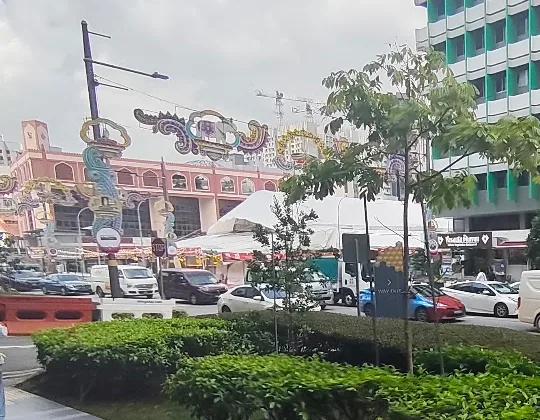
On Wednesday morning, a small group of our children visited Little India, a short ride from our centres in Eunos. Along Serangoon Road, the festive arches and decorations were up, and the shops were full of colour.
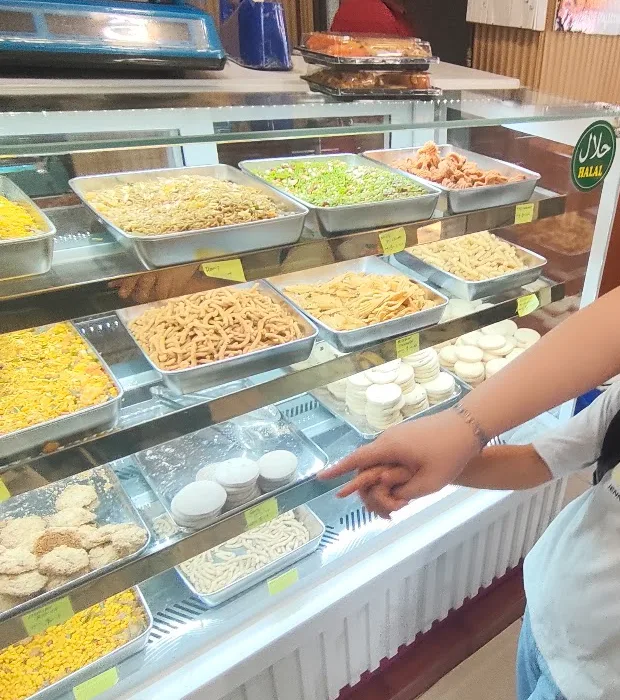
Inside a snack shop, children pointed at trays of traditional Deepavali treats like murukku and spotted different shapes and colours. Choosing by pointing, then saying the name with a teacher, turns a shopping trip into a language lesson.
Why this helps: community outings let children practise real-life skills, like walking safely along the road, waiting in a shop and following a teacher’s directions, in a meaningful setting.
Making paper rangoli
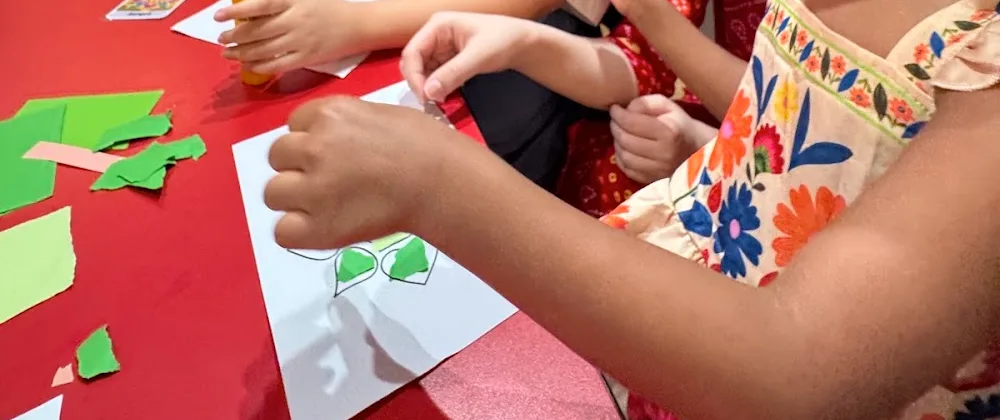
Back at the centre on Thursday, children made rangoli, the colourful patterns that families create at their doorstep to welcome guests during Deepavali. Instead of coloured powder, we used torn paper and glue to fill in petal outlines.
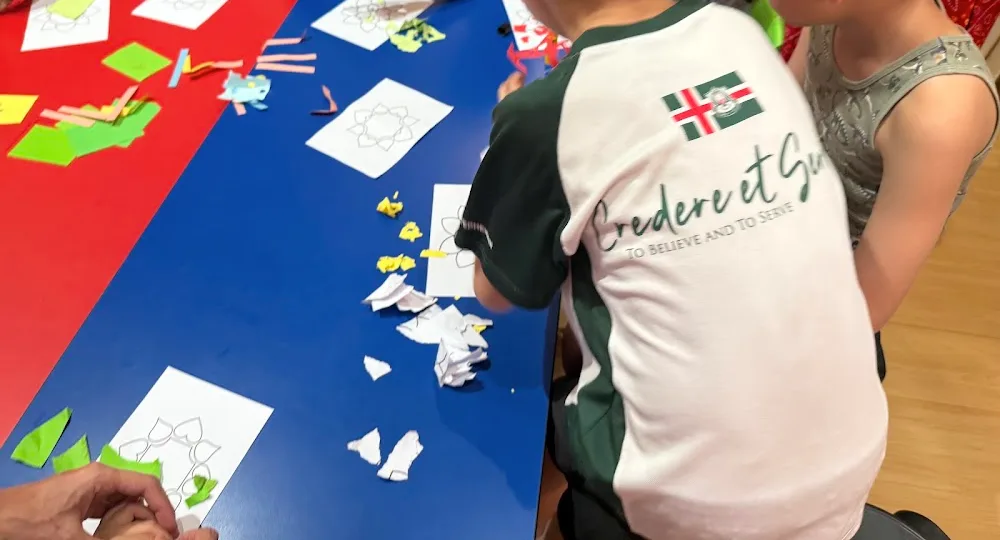
Why this helps: tearing paper strengthens the fingers, gluing inside the lines builds hand control, and choosing colours gives children lots of chances to talk and make decisions.
Free printable
Make Your Own Rangoli (3 ways)
Colour it, use coloured sand, or tear and paste. Two templates (ages 2 to 4 and 5+), each with a short “why this helps”. Get the free PDF
Holding a diya, carefully
Each child had a turn to hold a glowing diya (a battery tea-light, for safety) while the others watched quietly. It was a calm, special moment: holding something carefully, waiting for a turn, and passing the light on.
Why this helps: holding something carefully builds steady hands and body control, and waiting for a turn and passing the light on practise patience and sharing.
Music, movement and festive dress
Many children came in festive outfits, and our celebration ended with music and movement. Dancing to festive songs and copying simple moves is a fun way to build body awareness and joint attention, which means looking and doing together with others.
Why this helps: copying moves builds coordination and body awareness, and moving together with friends practises joint attention, an important building block for communication.
How to celebrate Deepavali with young children
- Visit early: go to the Little India light-up on a weekday morning or early evening, before the biggest crowds.
- Talk about light: switch off the lights and turn on a battery tea-light together; talk about how light makes us feel safe and happy.
- Make rangoli at home: coloured rice, torn paper or chalk on the floor all work.
- Taste and talk: try a Deepavali treat together and describe it: crunchy, sweet, round.
ONE teacher tip
If your child finds crowds hard, show them photos of the light-up first, bring ear defenders, and keep the visit to 30 minutes.
“Holding the diya was such a calm moment. The whole room went quiet, waiting for their turn.”
— Jiaying, Associate Early Years Lead at ONE
Make a paper rangoli at home
You don’t need coloured powder to make rangoli. Torn paper, coloured rice or chalk all work, and tearing paper is great for little fingers.
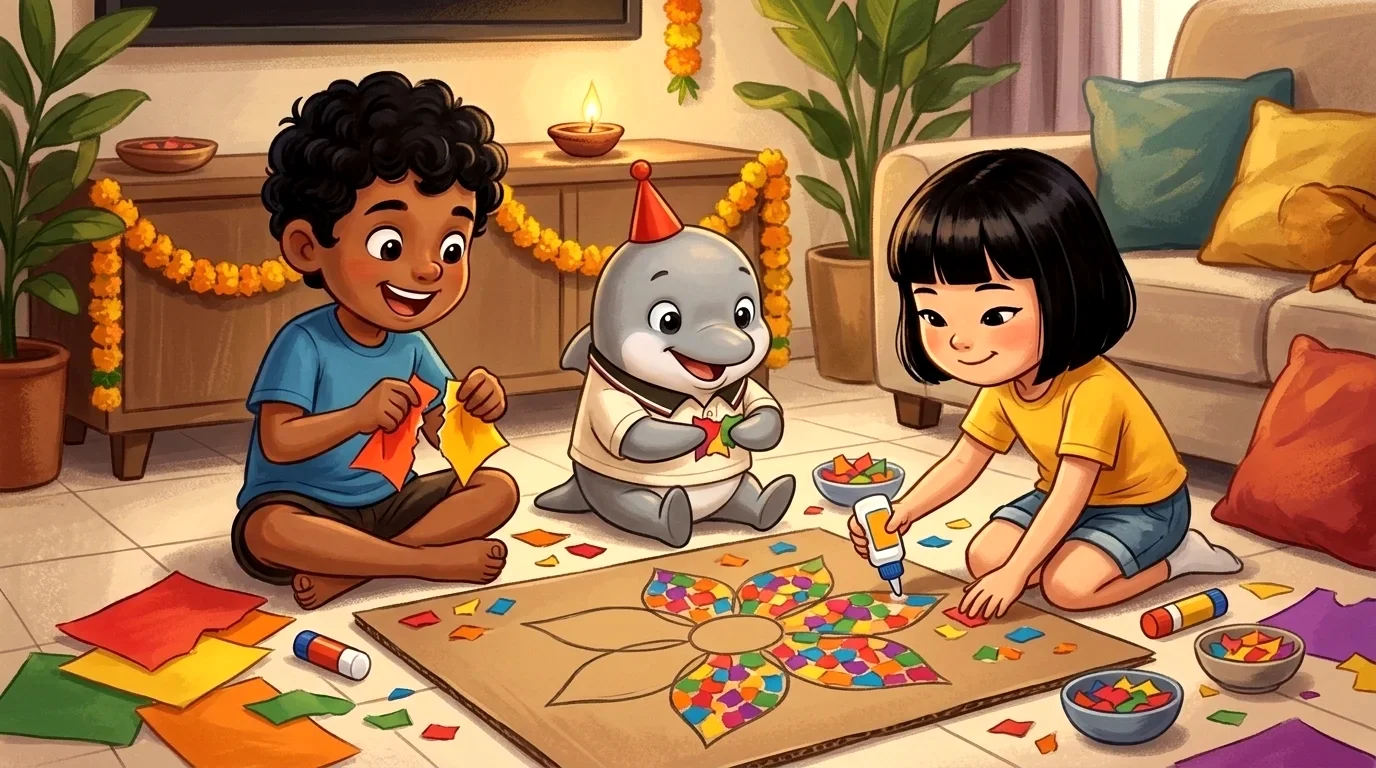
- Draw or print a simple flower outline.
- Tear coloured paper into small pieces.
- Glue the pieces inside each petal, one colour at a time.
- Talk about the colours and the shapes as you go.
If hand skills like tearing and gluing are hard for your child, read more about delayed milestones and how we help.
Questions parents ask
What is Deepavali, in simple words for kids?
Deepavali is the Festival of Lights. Hindu families light small lamps called diyas, decorate their homes with rangoli, wear new clothes and share sweets with family and friends.
When is the Little India Deepavali light-up?
The street light-up usually runs for several weeks before Deepavali along Serangoon Road. Check the dates each year; weekday mornings are quietest for young children.
Does ONE celebrate festivals from all cultures?
Yes. We celebrate festivals such as Chinese New Year, Hari Raya, Deepavali and Christmas, so every child sees their own culture and learns about their friends’.