
Quick answer
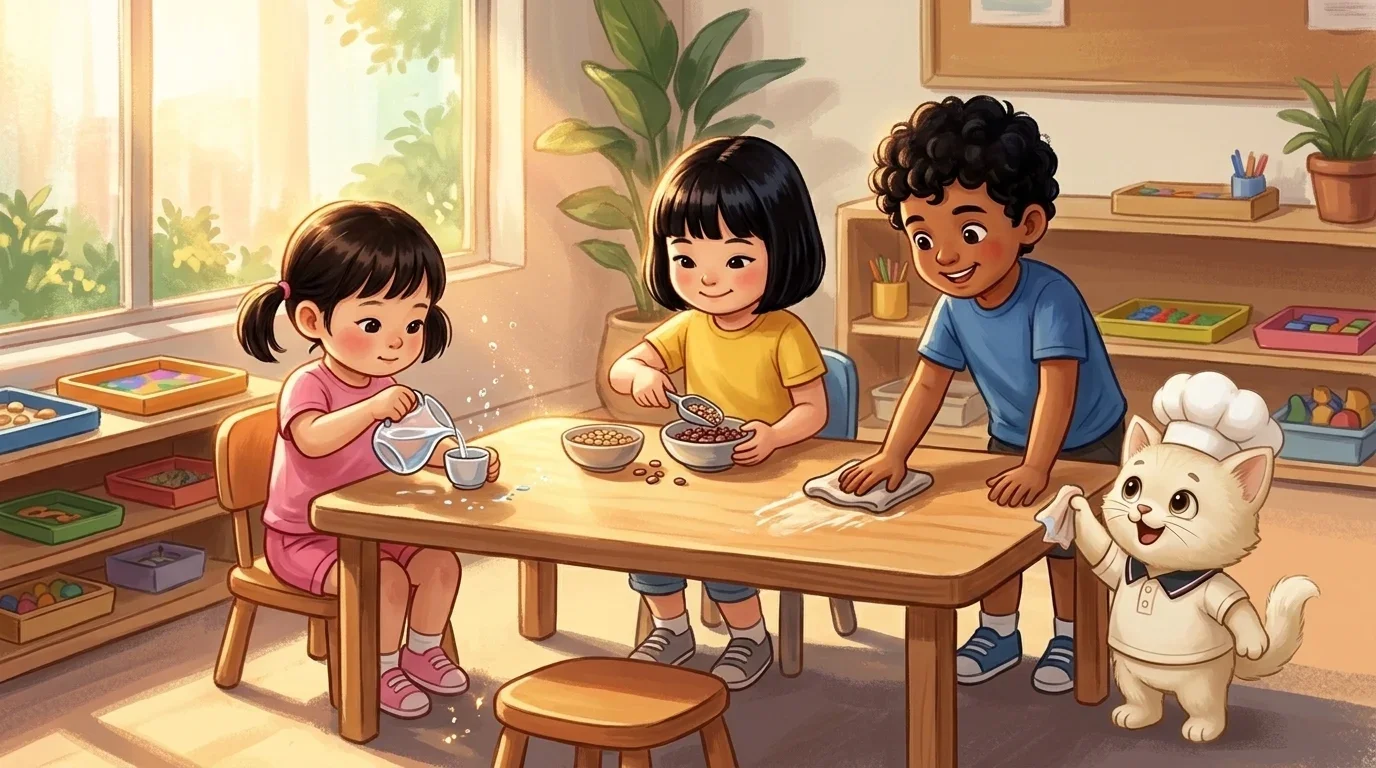
On Wednesday 28 October 2026, our children practised everyday life skills: pouring, scooping, wiping the table, then paying at a supermarket self-checkout. Each is a small, real job with a clear finish. Here is what each looks like, why it helps, and how to try it at home.
Real jobs, not pretend ones. Pouring your own drink, scooping without spilling and cleaning up afterwards are skills children use every day, and they are proud when they can do them alone.
As always, we don’t show our children’s faces.
Pouring
A teacher’s hands guide the child’s hands at first, then slowly let go as the child takes over.
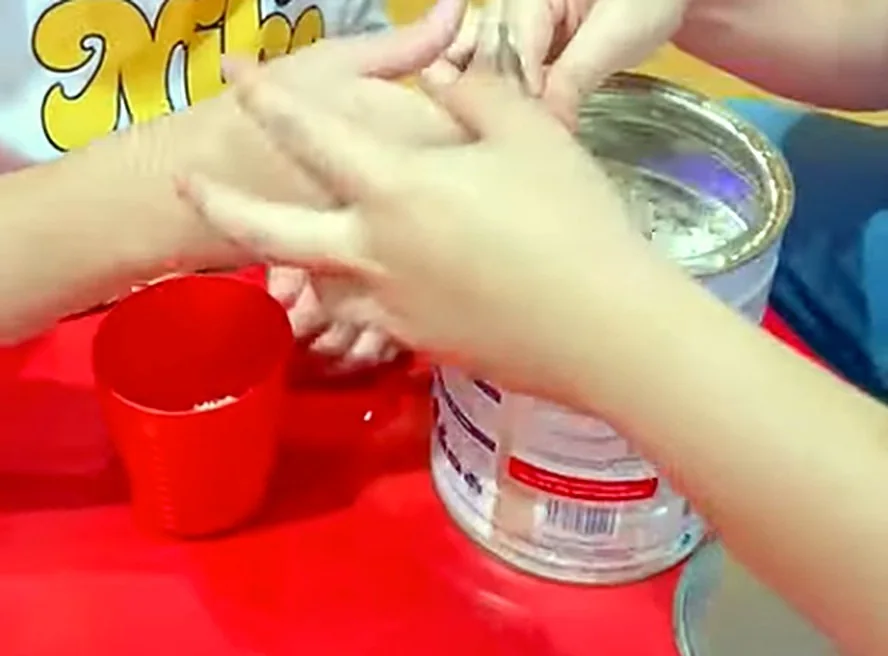
Why this helps: pouring takes two hands working together and careful control. Guiding first, then fading help, lets a child succeed while learning.
Scooping
Scooping oats from a tin into a cup: one scoop, level it, tip it in, and again.
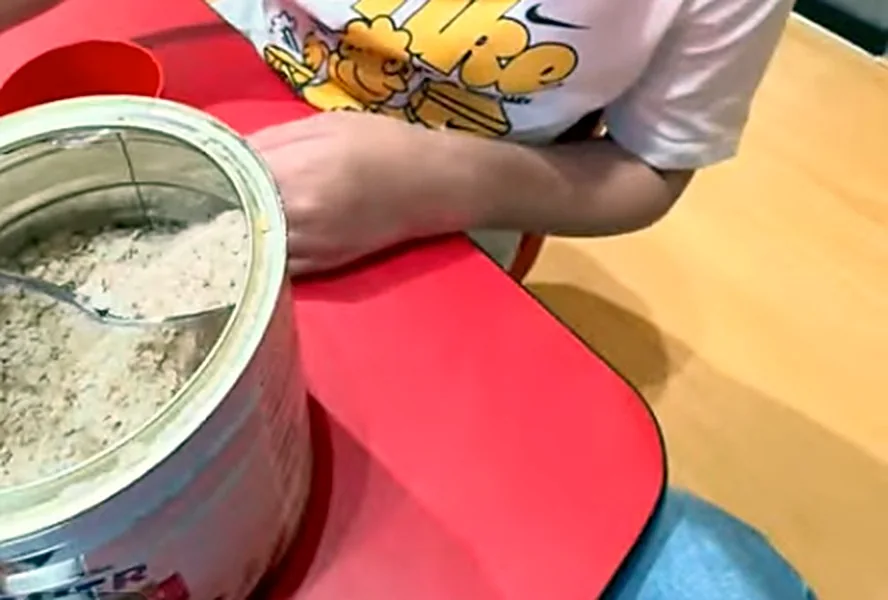
Why this helps: scooping builds wrist control and counting (“three scoops”), the same control children later need for using a spoon and fork neatly.
Wiping the table
After the job comes the clean-up. With a cloth and a teacher pointing to the next spot, the child wipes the whole table.
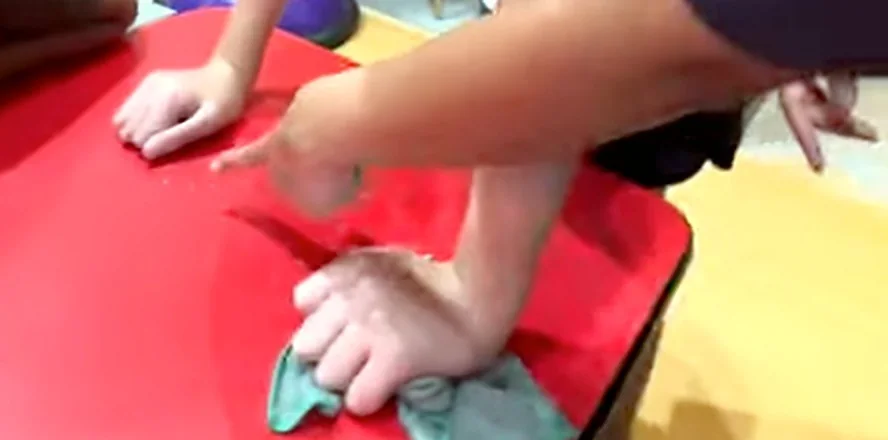
Why this helps: wiping uses big, steady arm movements and teaches “finishing” a job. Cleaning up is part of the task, not an extra.
Paying at the self-checkout
Then out to the supermarket, where the children practised scanning and paying at a self-checkout, with a teacher beside them.

Why this helps: reading the screen, following the steps in order and waiting for the machine are real-life reading, maths and patience, all at once.
ONE teacher tip
At home, give your child one real job a day, like pouring their own water or wiping the table after dinner. Real jobs build confidence faster than pretend ones.
Try it at home this week
- Pouring: a small jug and a cup on a tray. Start with dry rice, then water.
- Scooping: dry beans or oats, a spoon and two bowls.
- Wiping: a damp cloth after every meal.
- Paying: let your child tap the card or scan one item at the shop.
More from A Day at ONE
A Day at ONE: Our Supermarket Outings (real photos from our classes)
A Day at ONE: Our Climbing Wall (real photos from our classes)
“Wiping the table is always part of the job. The children are so proud when they finish it themselves.”
— Jiaying, Associate Early Years Lead at ONE
Set up a pouring tray at home
A tray keeps the mess small and the job clear. Start with dry rice or beans, then move on to water when your child is ready.
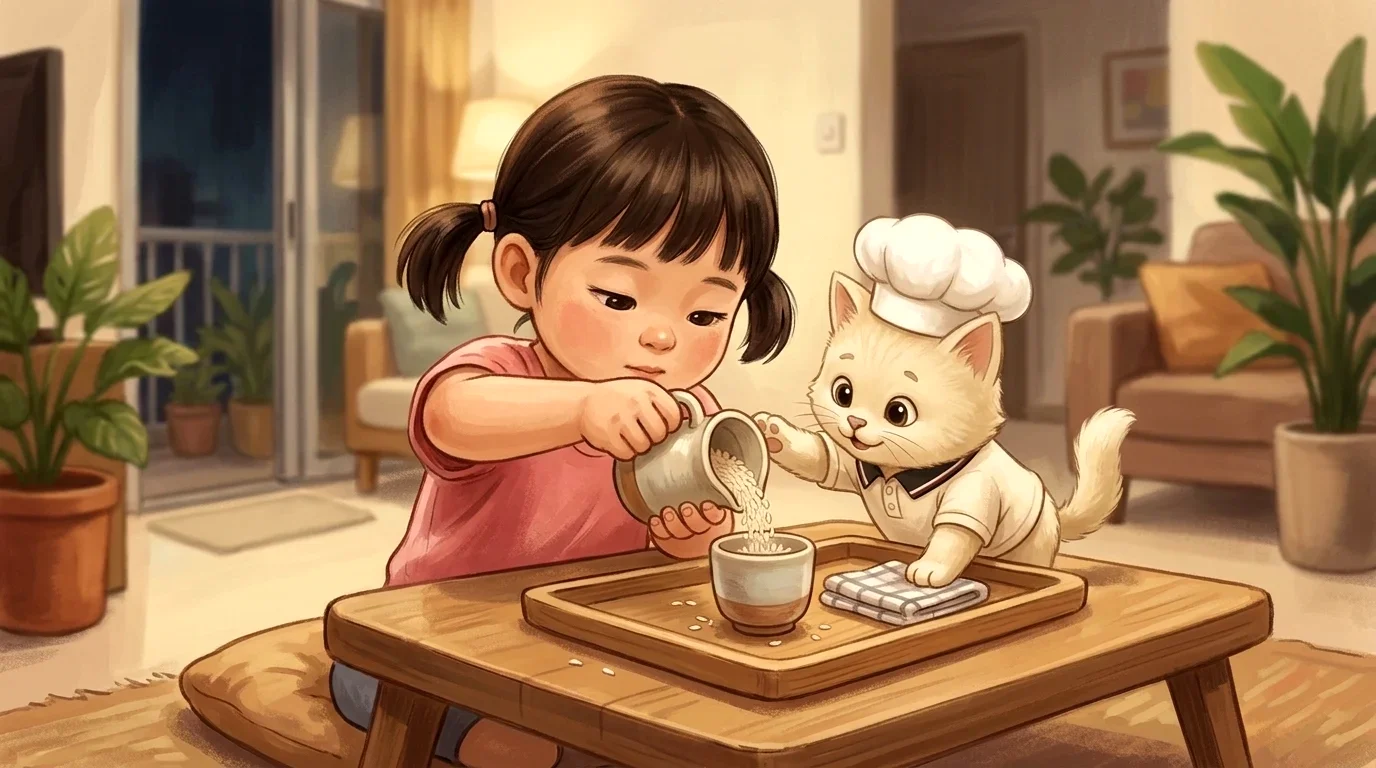
- Put a small jug and a cup on a tray.
- Show the pour slowly, then guide your child’s hands.
- Step back a little more each time.
- Finish with the cloth: wiping up is part of the job.
If everyday jobs like pouring, dressing or eating with a spoon are taking longer, read more about delayed milestones and how we help.
Free printable
Everyday Skills Notes for Parents
Simple notes for practising everyday jobs at home, from pouring and wiping to paying at the shop. Get the free PDF
How ONE helps
Everyday life skills are part of our Life & Learning Programme for ages 7 to 12, where reading, maths and independence are learned by doing them for real. Younger children practise the same steps in Early Intervention and School Readiness.
Would you like your child to practise real-life skills like these? WhatsApp us to visit our centre, 5 minutes’ walk from Eunos MRT.
Questions parents ask
What age can children start pouring and scooping?
Many toddlers can scoop dry food with help. Pouring water usually comes a little later. Start with dry materials on a tray.
My child makes a big mess. Should I stop?
No. Use a tray, small amounts and a cloth nearby. Cleaning up is part of the lesson.
Why don’t you show the children’s faces?
We prefer to protect our children’s privacy, so we only share photos of hands, backs and activities.
Should I let my child help even if it is slower and messier?
Yes. Real jobs build confidence and hand skills. Choose a time when you are not rushing, use a tray, and praise the trying.
This article is general information, not a diagnosis or medical advice. If you are worried about your child, speak to your paediatrician or polyclinic doctor.