Quick answer
On Tuesday 9 June 2026, our school holiday group went back to National Gallery Singapore. In the children’s art spaces they painted on digital easels, pressed glowing buttons in a dark room, drew on touch screens, watched animals move through a painted forest and built pictures on a light table. Below: what they did, why each part helps, and tips for visiting with your child.
Our first class trip to the gallery, in December 2025, was such a hit that we went back in the June holidays. Read about our first visit here.
The children’s spaces are made for curious hands: art you can touch, rooms that glow and screens that answer back.
What we did at the gallery
1. A painting that looks back
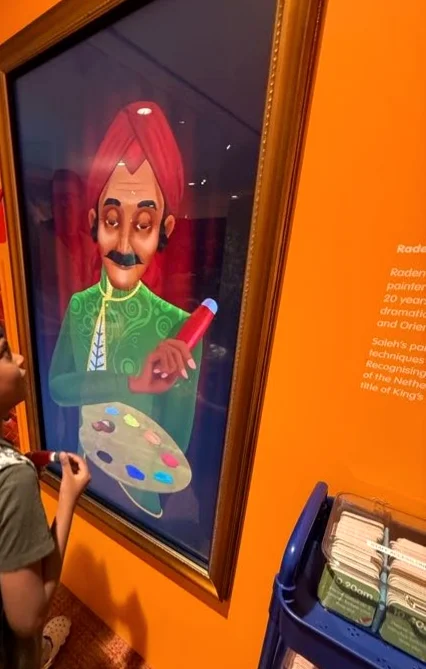
First stop: a huge painted portrait that moves and changes. One of our boys stood and studied it for a long time, then reached out to point at the details.
Why this helps: stopping to look closely is the start of attention and observation, and a big, friendly image makes a new room feel less strange.
2. Painting on a digital easel
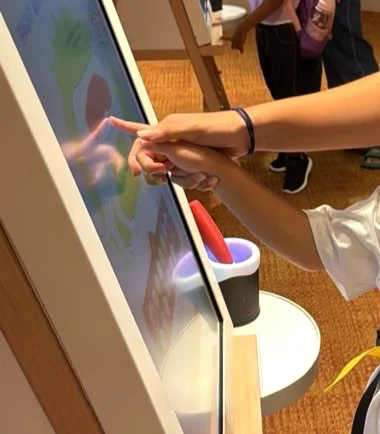
At the digital easels the children picked colours and painted with a finger. Nothing to spill, nothing to wash, just colour.
Why this helps: pointing and tracing with one finger builds the finger control children later need for writing.
3. Glowing buttons in the dark room
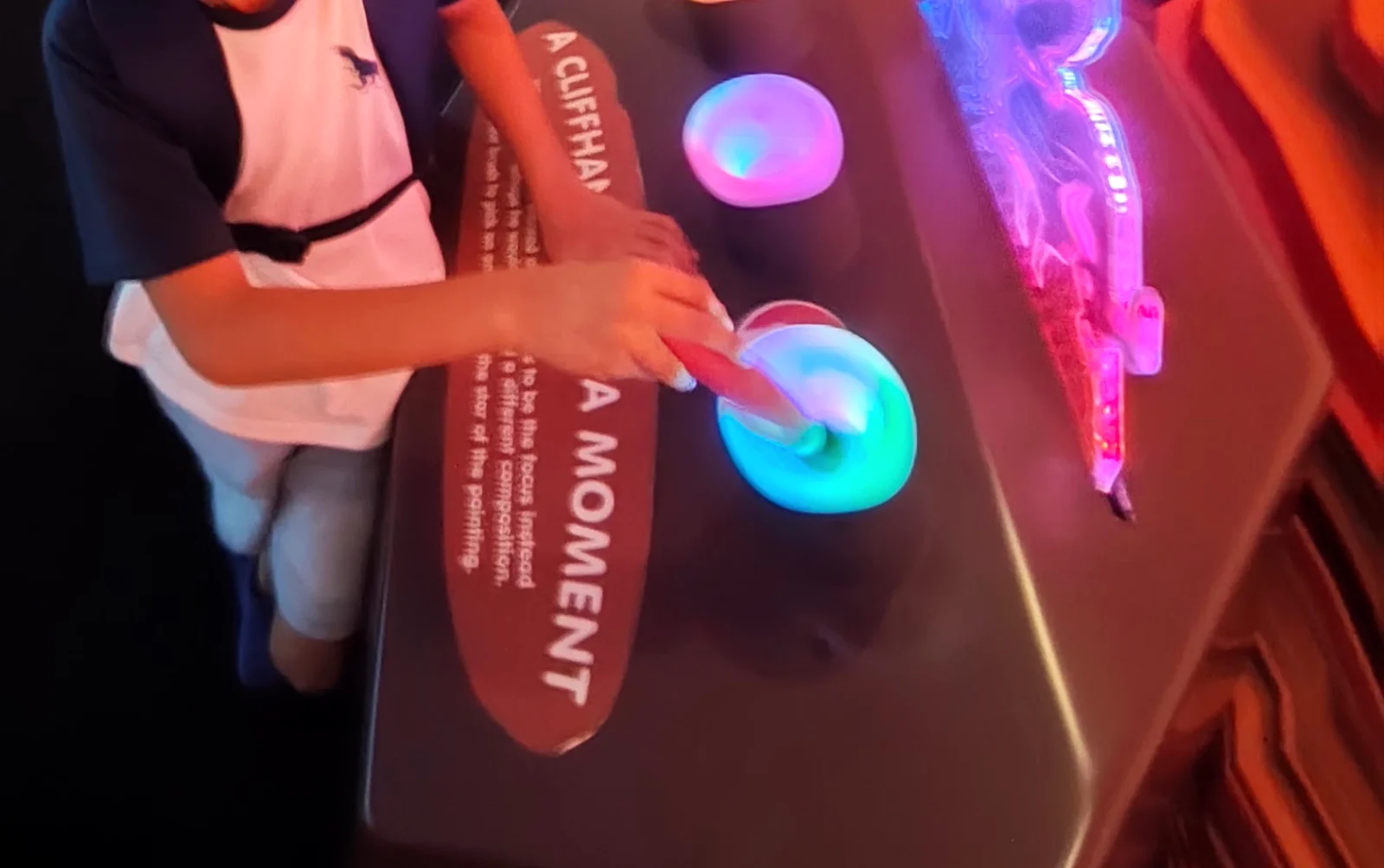
In a darker room, a low console lit up when the children pressed its buttons, and colours swirled on the screen in front of them.
Why this helps: “I press, it lights up” is cause and effect, which keeps attention going and helps children feel in control in a new place.
ONE teacher tip
Dark rooms can be a lot. Let your child watch from the doorway first and agree a signal for “I want to go out”. Watching is joining in too.
4. Drawing on the touch screens
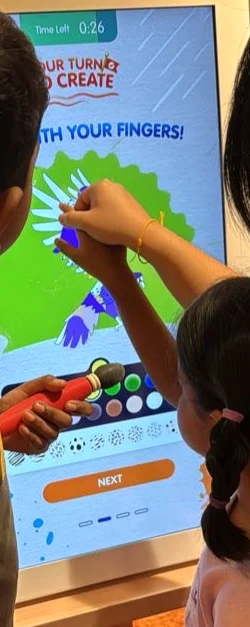
Tall touch screens invited the children to draw with their fingers. Two friends shared one screen and took turns adding to the picture.
5. Animals in the painted forest
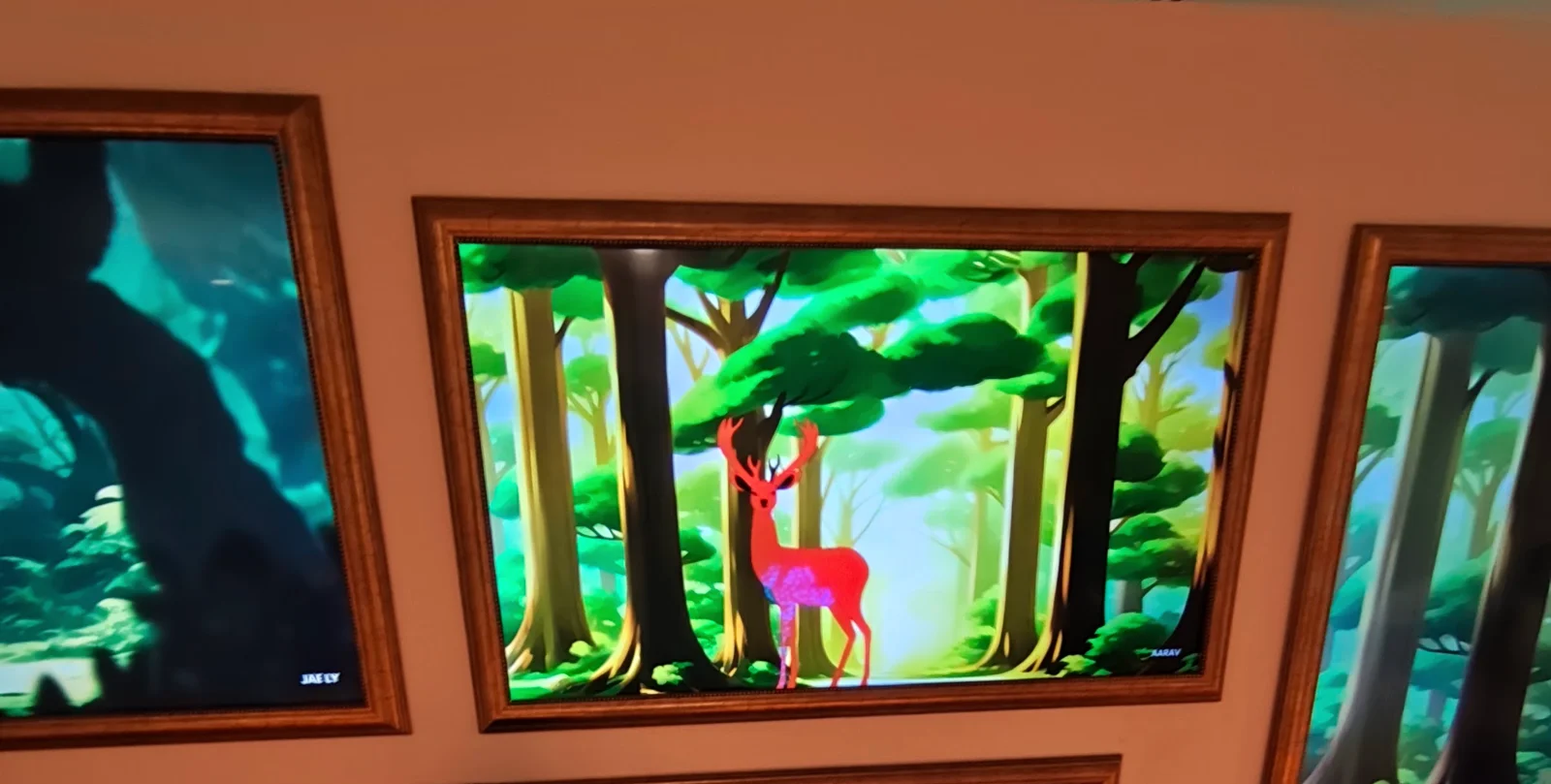
A wall of framed screens showed a forest where animals appeared, moved and disappeared again. The children waited, watched and pointed whenever one came out.
Why this helps: waiting for the next animal is gentle practice in patience, with a reward that keeps coming.
6. Building pictures on the light table
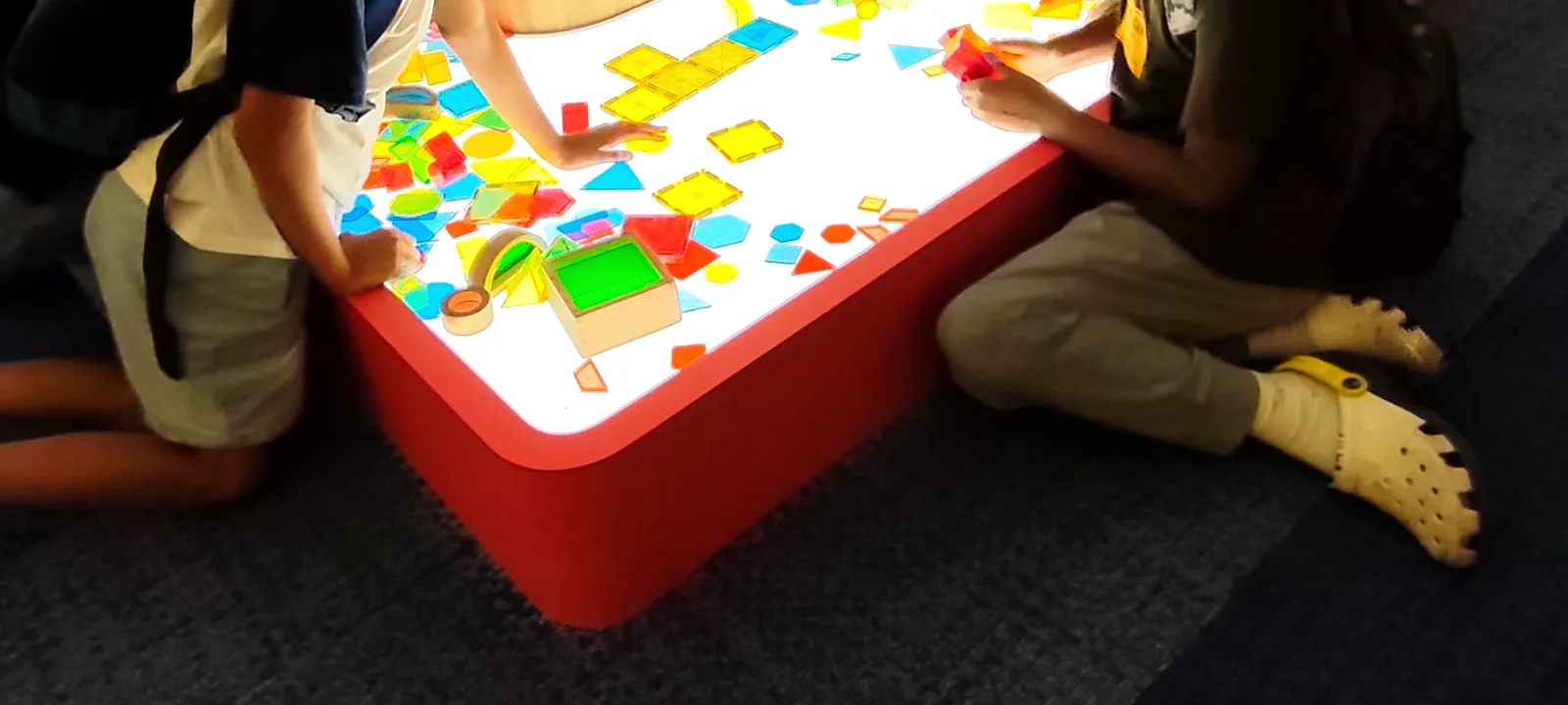
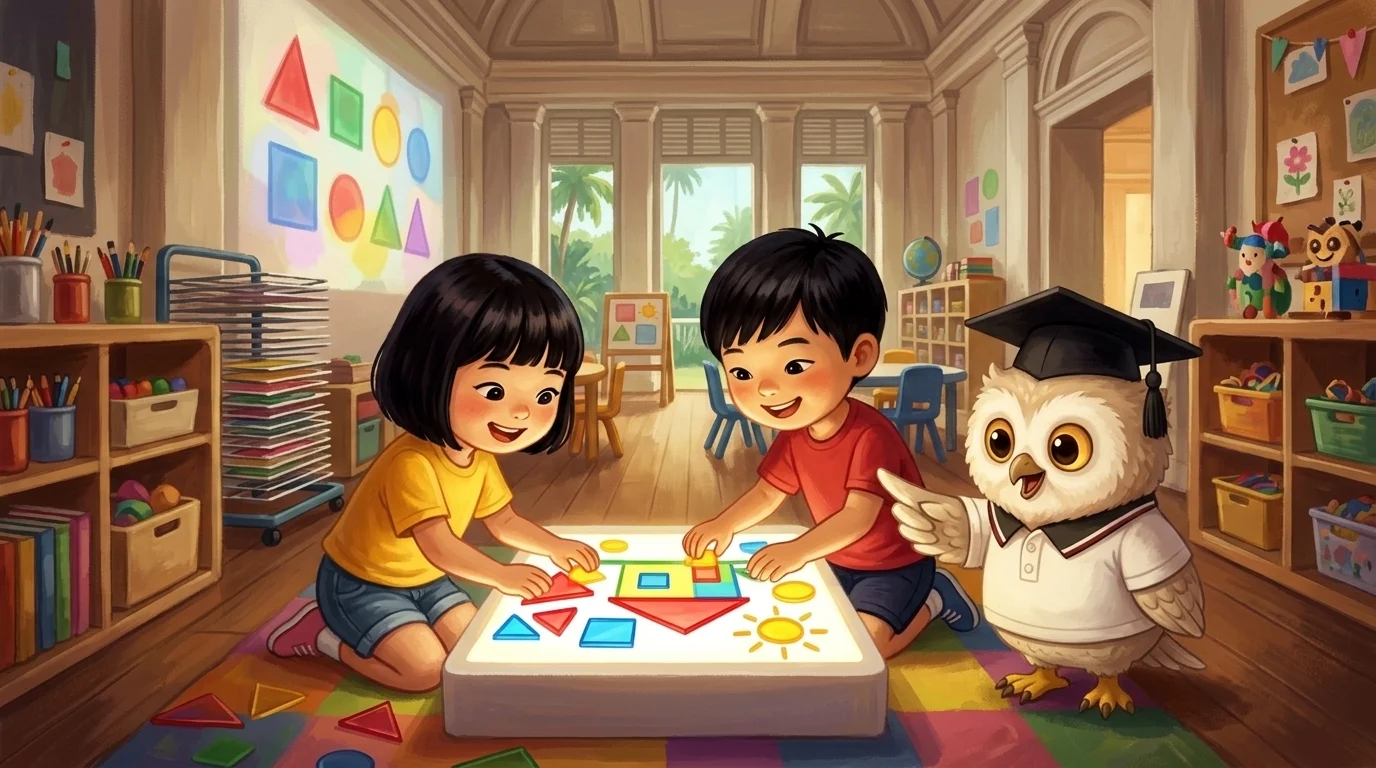
To finish, the children knelt around a glowing table and arranged bright coloured shapes into pictures.
Why this helps: fitting shapes together builds hand skills and early maths ideas such as shape, colour and size, and working at one table is teamwork.
“Because they had been before, the children walked in calmly and went straight to the parts they remembered.”
— Dickson, Associate Centre Lead at ONE
Plan your visit: Keppel Centre for Art Education, National Gallery Singapore
- Address: 1 St Andrew’s Road, Singapore 178957. The Keppel Centre is on Level 1 of the City Hall Wing.
- Cost: The Keppel Centre is free to enter.
- Opening: The Gallery opens daily, 10am to 7pm. The Keppel Centre closes briefly for cleaning at 12.30pm to 1pm and 3.30pm to 4pm; last entry 6.40pm.
- Ages: Designed for children aged 4 to 12.
- Crowds: Busy on weekends, when you may wait about 30 minutes to enter. Weekday mornings are best.
- Facilities: Stroller parking at the entrance, a baby changing room, drinking fountains and lockers at B1.
Open in Google Maps. Details checked on the National Gallery Singapore website in November 2026; check it again before you go.
Is it good for children with sensory needs?
- Mostly well lit, with a couple of dimmer rooms that have soft background sounds.
- Some stations make sounds when children touch them.
- There is a Calm Pod in the Keppel Centre for children who feel overwhelmed, and the Gallery also has a Calm Room.
- It is cool inside, so bring a light jacket.
- Food and drink are not allowed in the galleries. Plan snacks before or after.
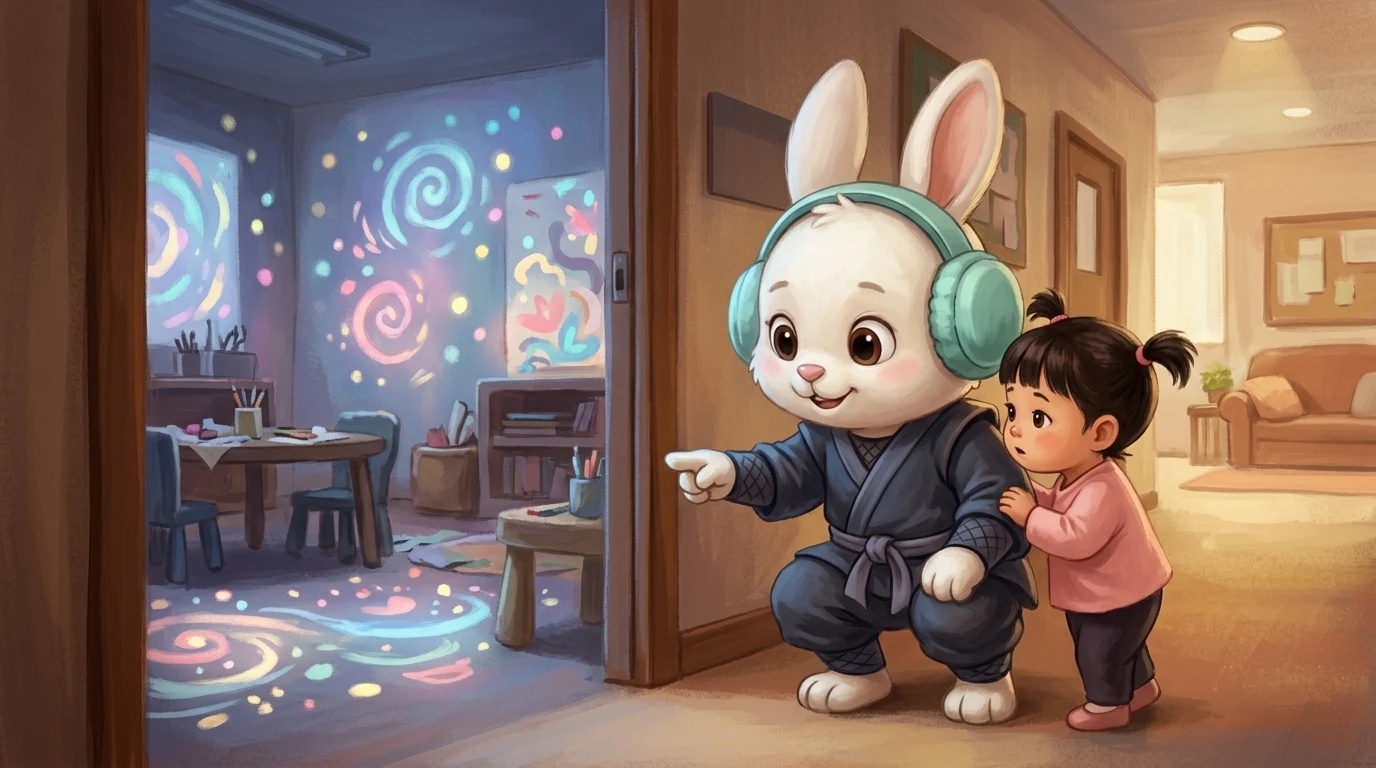
If loud rooms or crowds are hard for your child, read more about sensory needs and how we help.
Visiting with your child: 5 tips
- Check the gallery’s website for current children’s exhibitions, opening hours and any tickets before you go.
- Go on a weekday morning if you can, when it is usually quieter.
- Show your child photos of the gallery first, and tell them the plan.
- Choose two or three things to see, not everything.
- Bring water, a small snack for outside the galleries, and ear defenders if noise bothers your child.
Free printable
Gallery Explorer Picture Checklist
Four pictures to find at any gallery or museum, plus a calm visit plan. Print it, bring a pencil, tick as you go. Get the free PDF
How ONE helps
Outings are part of learning at ONE. In our school holiday programme, trips like this let children practise real-life skills: waiting, taking turns, following a plan in a new place and asking for a break. Our Life & Learning Programme for ages 7 to 12 builds these skills on purpose, and younger children start in Early Intervention and School Readiness.
Would you like your child to learn through real outings like this? WhatsApp us to visit our centre, 5 minutes’ walk from Eunos MRT.
Questions parents ask
Is National Gallery Singapore good for children with special needs?
Many children enjoy the hands-on children’s spaces. Exhibitions change, so check what is on before you go, and plan a short visit with breaks.
How long should we stay?
For young children, 45 minutes to an hour is plenty, with a break in the middle. Leave while it is still fun.
Is it worth going more than once?
Yes. A second visit is often calmer, because your child already knows the place. Familiar places are great for practising new skills.
Is the Keppel Centre for Art Education free?
Yes, entry to the Keppel Centre is free. Check the National Gallery website for current opening times and any special exhibitions, which may be ticketed.
Is there a quiet space if my child gets overwhelmed?
Yes. The Keppel Centre has a Calm Pod, and the Gallery has a Calm Room. Show your child where it is when you arrive.
This article is general information, not a diagnosis or medical advice. If you are worried about your child, speak to your paediatrician or polyclinic doctor.