Sponsored
Our visit was fully sponsored by Balloon Museum. Thank you for having us! All views and photos are our own.
Quick answer
On Thursday 26 June 2025, our children, their parents and our teachers visited the Balloon Museum exhibition at Marina Bay Sands, as guests of Balloon Museum. They swung under giant balloons, waded through a sea of white balls, explored glowing rooms that changed colour and played among huge inflatables. Below: what we saw, why it worked for our children, and tips for visiting.
Update, November 2026: the Balloon Museum exhibition we visited, Pop Air – Art is Inflatable, ran at Sands Expo & Convention Centre, Marina Bay Sands, from 7 June to 31 August 2025, and has now ended. The tips below work for any immersive or inflatable exhibition.
Giant inflatables, glowing lights and playful spaces everywhere you look. A whole exhibition made of air turned out to be a wonderful day out for our children and their families.
What we did at the Balloon Museum
1. The glowing room
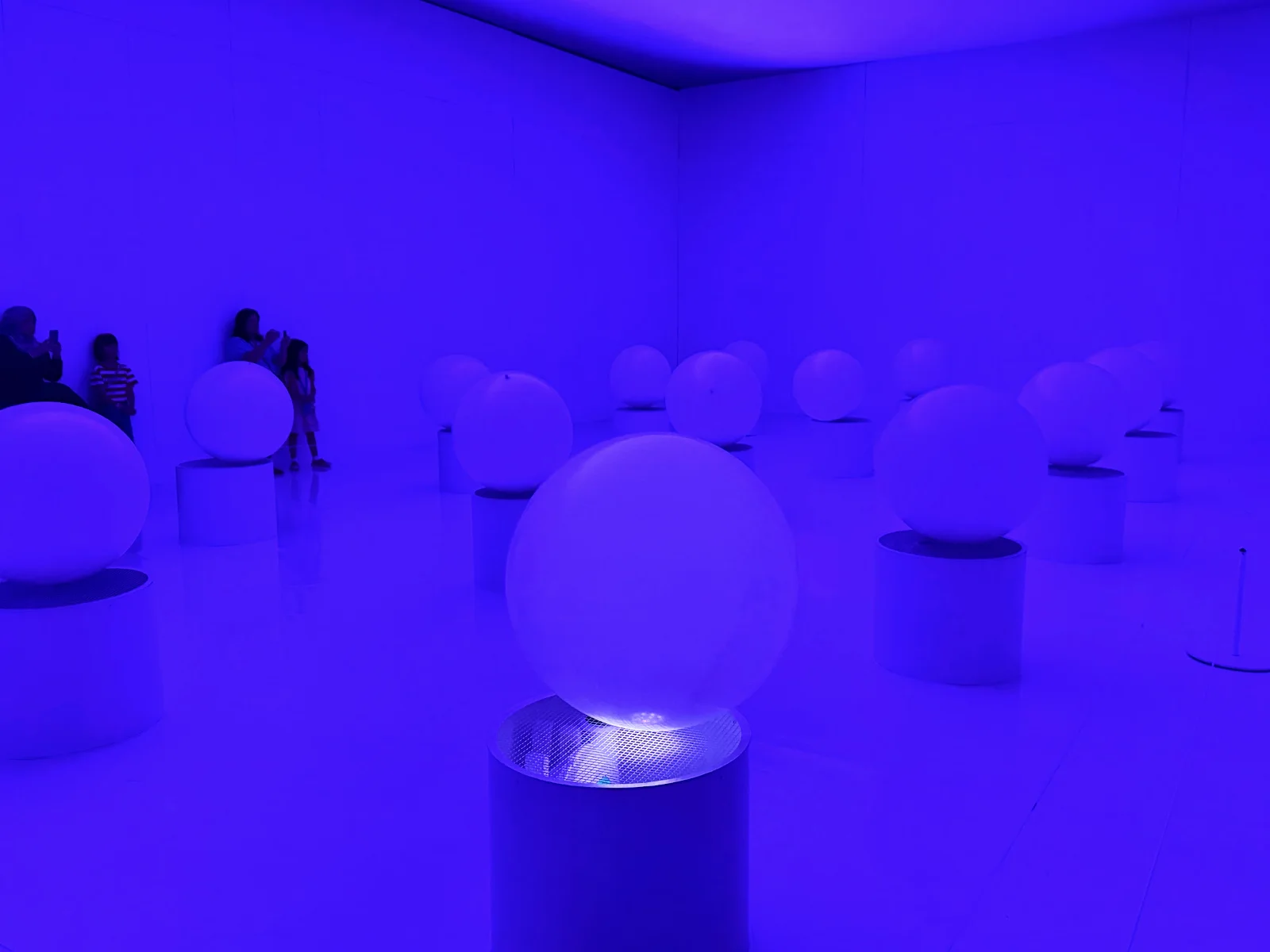
We started in a calm, blue room filled with glowing round shapes. The soft light was a gentle way in.
Why this helps: starting somewhere quiet helps children adjust before the busier rooms, a trick that works for any outing.
2. Swinging under giant balloons
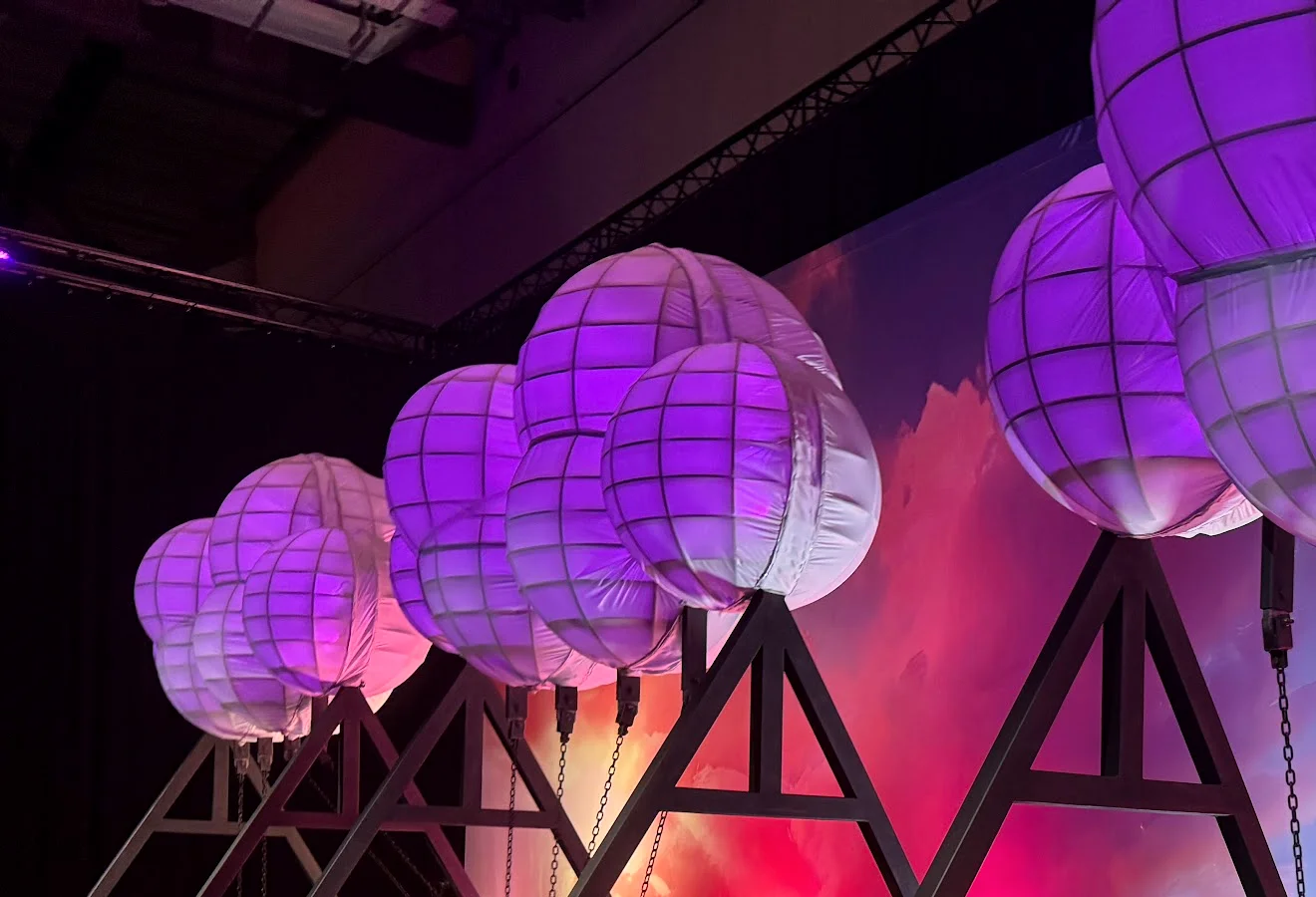
Next, swings hung from huge silver balloons in front of a pink sunset sky. Children and parents took turns on them, waiting, swinging and swapping.
Why this helps: swinging gives strong movement input that many children find calming, and waiting for a swing is turn-taking in real life.
3. A sea of white balls
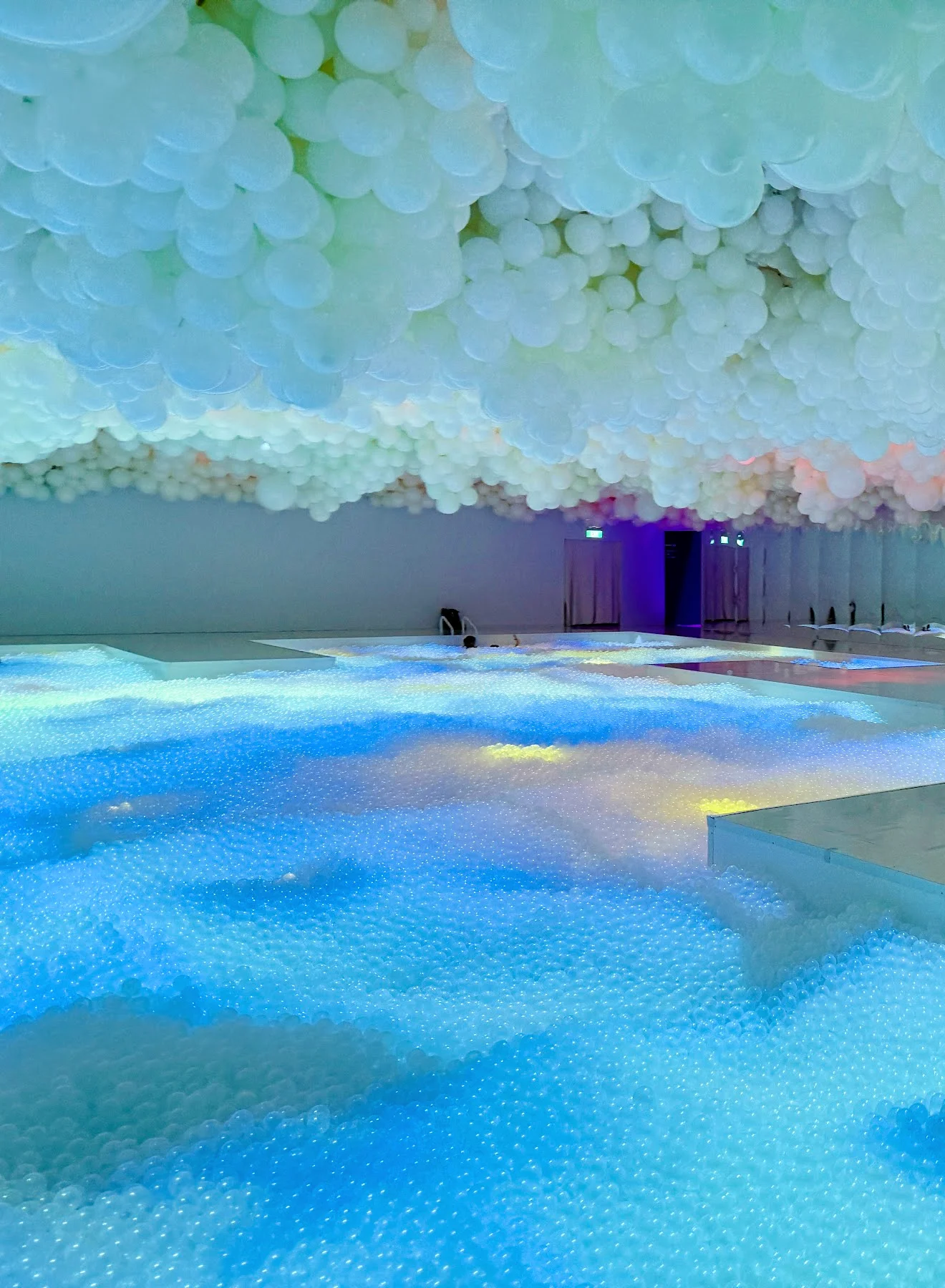
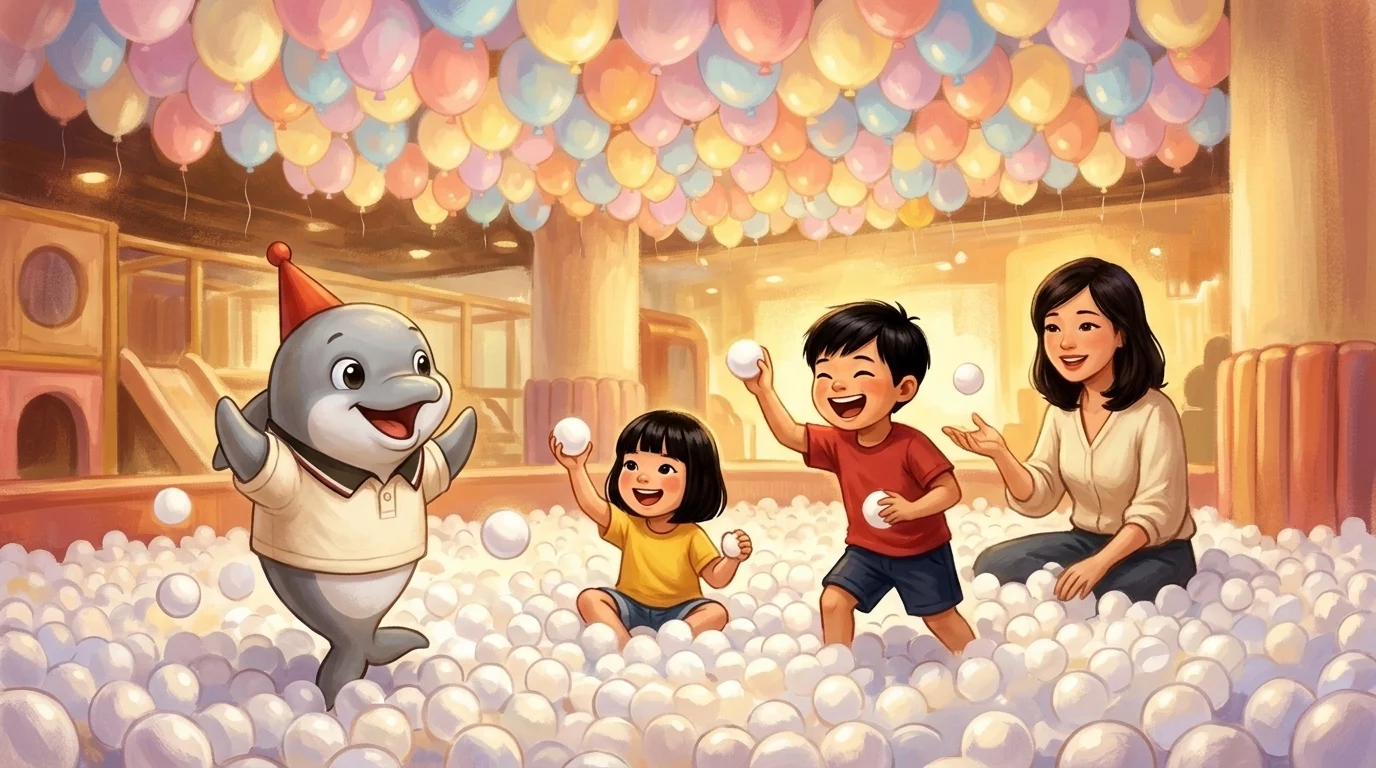
Then the big one: a huge room with a floor of white balls and a ceiling of balloons. The children waded, dived and lay back to look up.
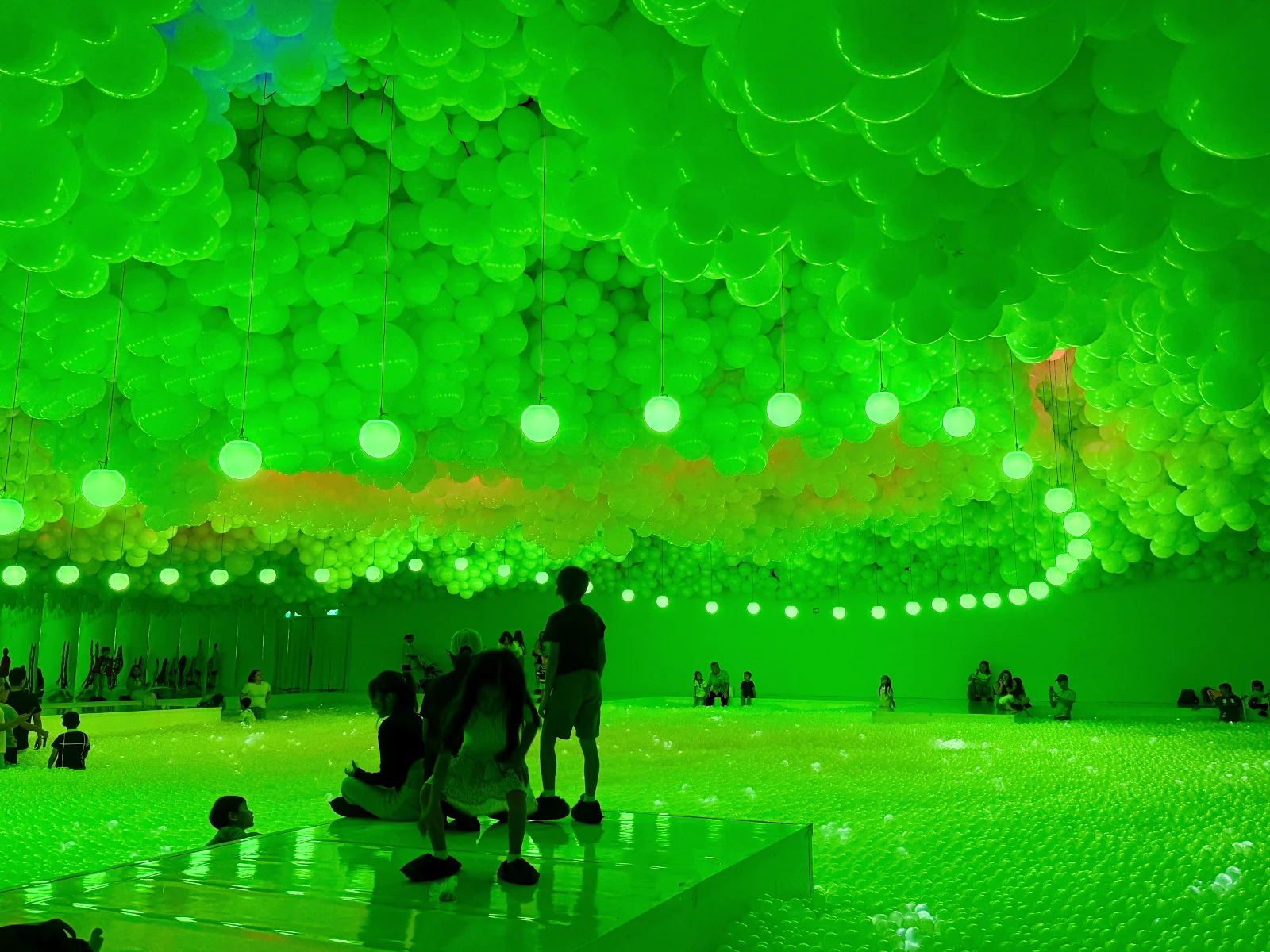
The lights kept changing, from blue to green to pink, so the same room felt new again and again.

ONE teacher tip
In big, busy rooms, agree a meeting spot you can both see, like a wall or an exit sign. Then your child can explore and still feel safe.
4. Red room, glowing bubbles and giant shapes
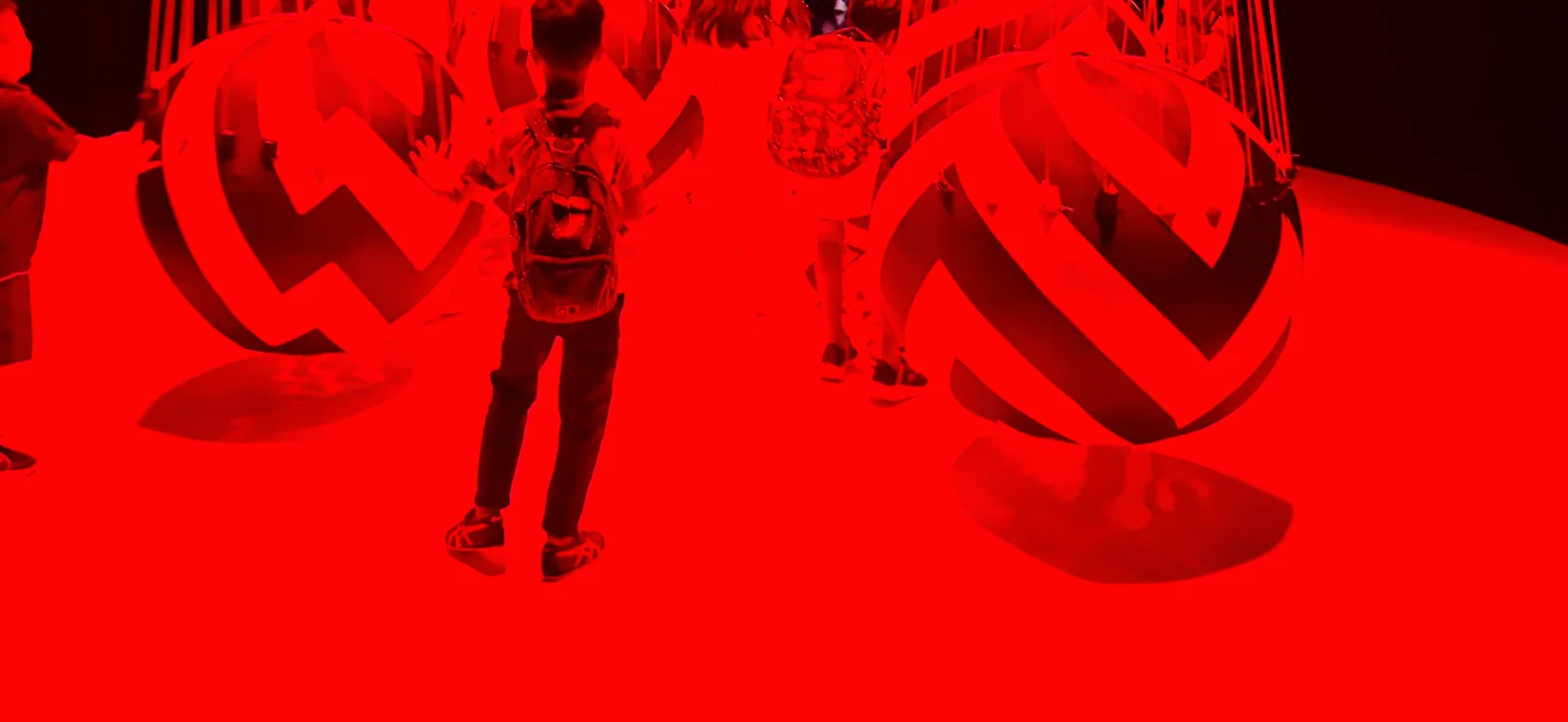
Other rooms had giant striped balls hanging in red light, a space packed with glowing see-through bubbles and a maze of soft inflatable shapes to climb through.
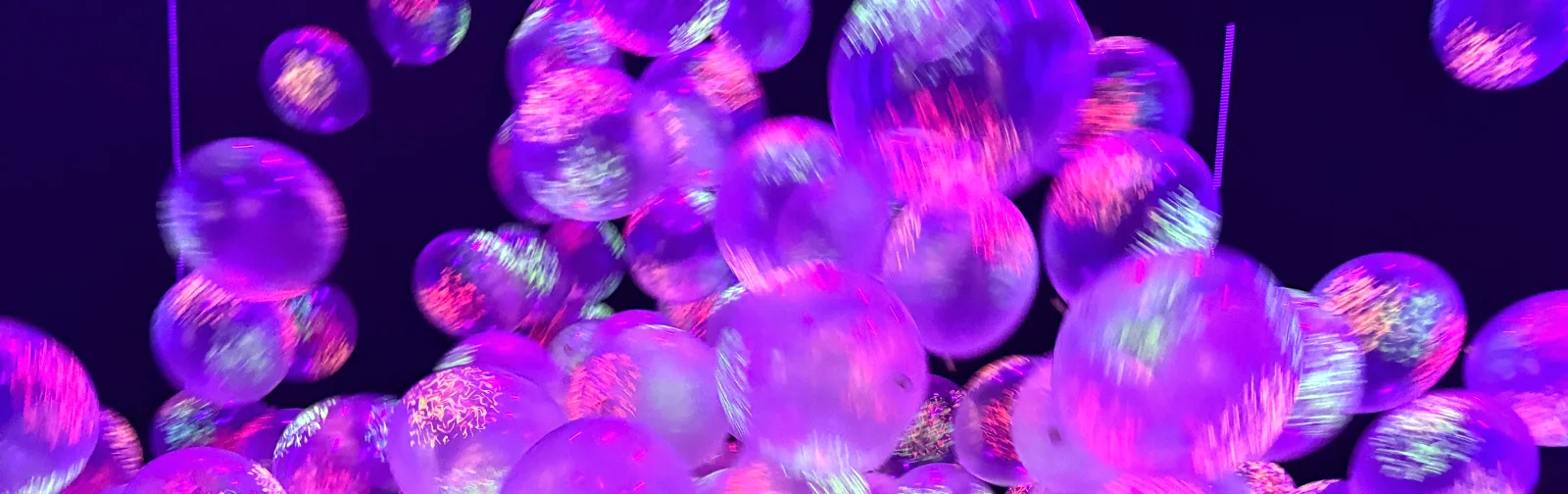
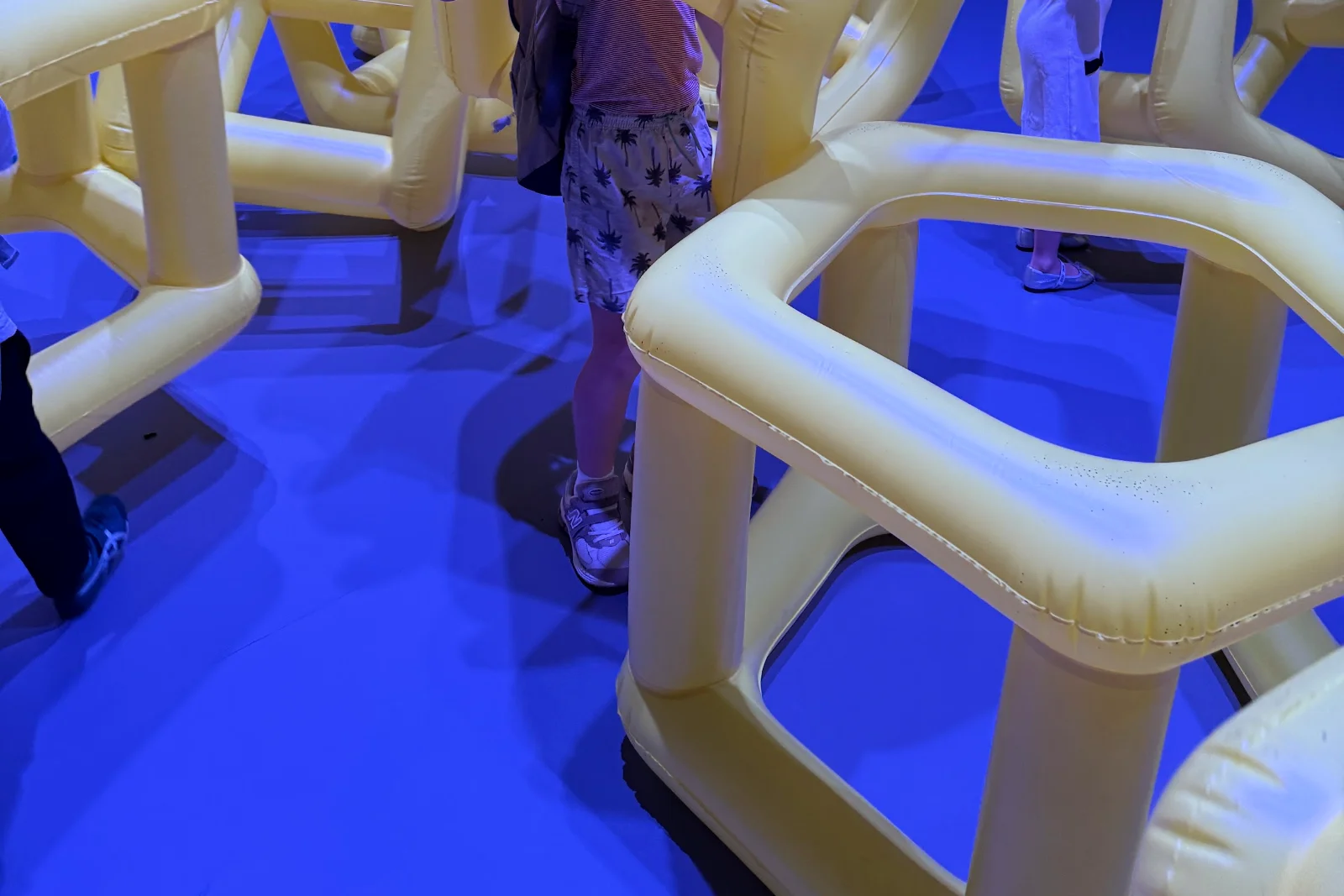
Why this helps: pushing, climbing and crawling through soft shapes build body awareness and coordination, and every room was a new thing to talk about afterwards.
“Having parents with us made this one special. Families got to play and explore side by side.”
— Grace Teo, Founder and Child Psychologist at ONE
Immersive exhibitions and sensory needs: what to expect
Big immersive shows are exciting, but they can be a lot. These were the things to plan for on our visit, and they are common at similar exhibitions:
- Dark rooms and moving lights. Some rooms are dim, some have light shows that start suddenly. Watch from the doorway first.
- Sounds and the odd pop. Music, wind sounds and, now and then, a balloon popping. Ear defenders help.
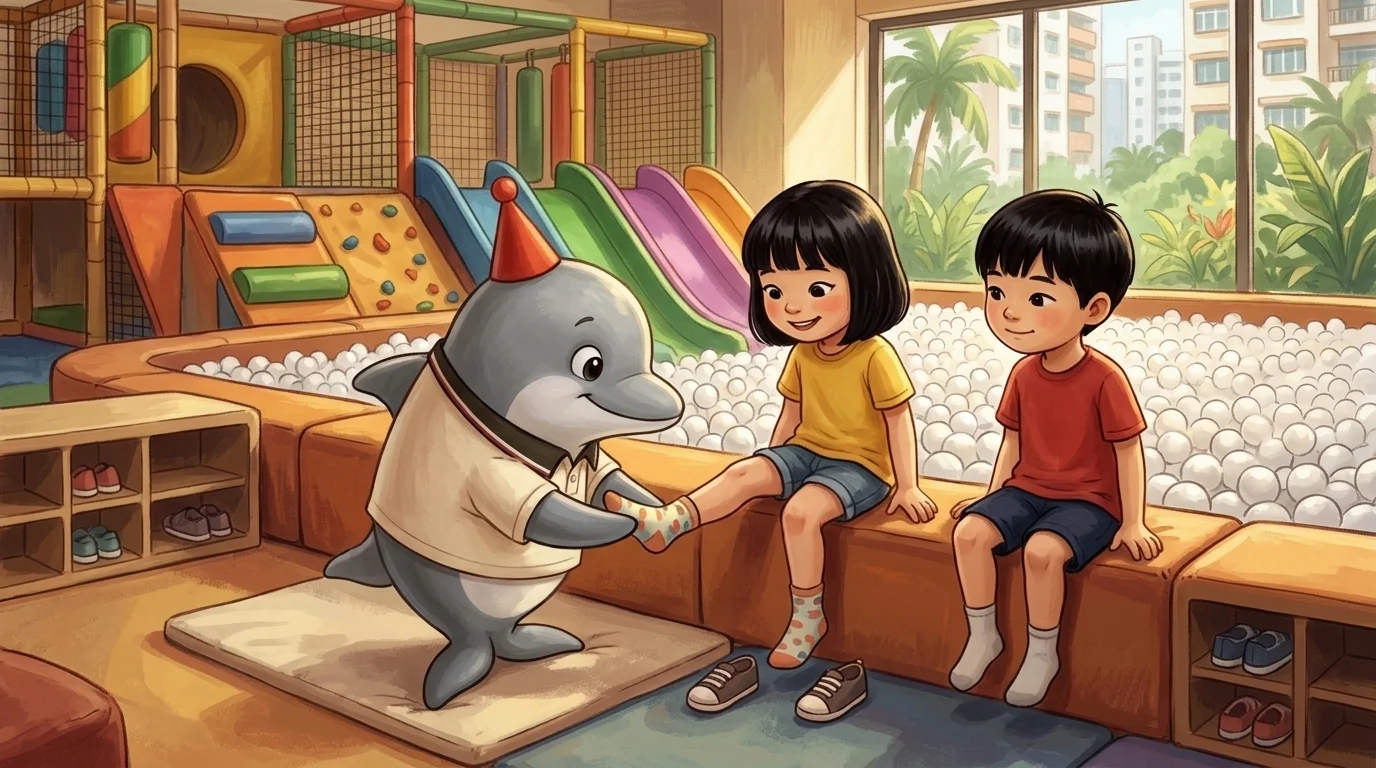
- Shoe covers in ball pits. Staff may hand out covers or ask for socks. Some children dislike the feel, so practise at home.
- Mirrored floors. Shiny floors can feel strange to walk on. Hold hands and go slowly.
- Moving installations. Swinging or rolling objects can knock small children over. Stay close.
If dark rooms, noise or crowds are hard for your child, read more about sensory needs and how we help.
Visiting with your child: 5 tips
- Check the exhibition website for dates, tickets and any age rules before you go.
- Book a weekday or early time slot if you can, when it is usually calmer.
- Show your child photos of the rooms first, especially the dark or very bright ones.
- Bring ear defenders and socks, and dress your child in comfortable clothes.
- Plan a quiet break and a snack after the visit; there is a lot to take in.
Free printable
Calm-Kit Packing List for Outings
What to pack, how to prepare and a “break” card for calmer days out. Get the free PDF
How ONE helps
Outings are part of learning at ONE. In our school holiday programme, trips like this let children practise real-life skills: waiting, taking turns, following a plan in a new place and asking for a break. Our Life & Learning Programme for ages 7 to 12 builds these skills on purpose, and younger children start in Early Intervention and School Readiness.
Would you like your child to learn through real outings like this? WhatsApp us to visit our centre, 5 minutes’ walk from Eunos MRT.
Questions parents ask
Is the Balloon Museum suitable for children with sensory needs?
Many children love it, but some rooms are dark, bright or busy. Look at photos first, bring ear defenders and start in the calmer rooms.
Can parents join in?
Yes. On our visit, parents played alongside their children, which made the day even more special.
Who paid for this visit?
Balloon Museum fully sponsored our visit, so we have labelled this article as sponsored. The views and photos are our own.
Is the Balloon Museum still at Marina Bay Sands?
No. Pop Air – Art is Inflatable ran from 7 June to 31 August 2025. Look out for future immersive exhibitions, and use the tips in this article to plan.
This article is general information, not a diagnosis or medical advice. If you are worried about your child, speak to your paediatrician or polyclinic doctor.