Quick answer
On Tuesday 17 and Wednesday 18 November 2026, our classes worked at pegboards, tongs and letter cards, helped prepare a snack plate, and headed out to a neighbourhood playground for the swing and the rope net tunnel. Here is what each activity looks like, why we do it, and an easy version to try at home.
No two days at ONE are exactly the same, but many have the same shape: focused work at the table, something practical with our hands, and time to move. These photos are from two ordinary days in November.
We don’t show our children’s faces, so you will see hands, backs and a lot of pegs.
At the work table
Pegboards
One peg at a time into a blue board, while a teacher waits with the next one.
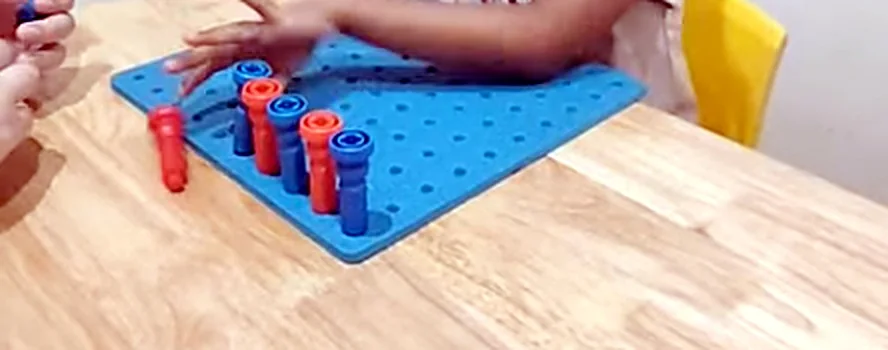
Why this helps: picking up a small peg and pushing it into a hole builds the pincer grip and hand control children later need for holding a pencil. A full row is a clear finish line.
Tongs and counting bears
Picking up small bears with tongs, then sorting or counting them.
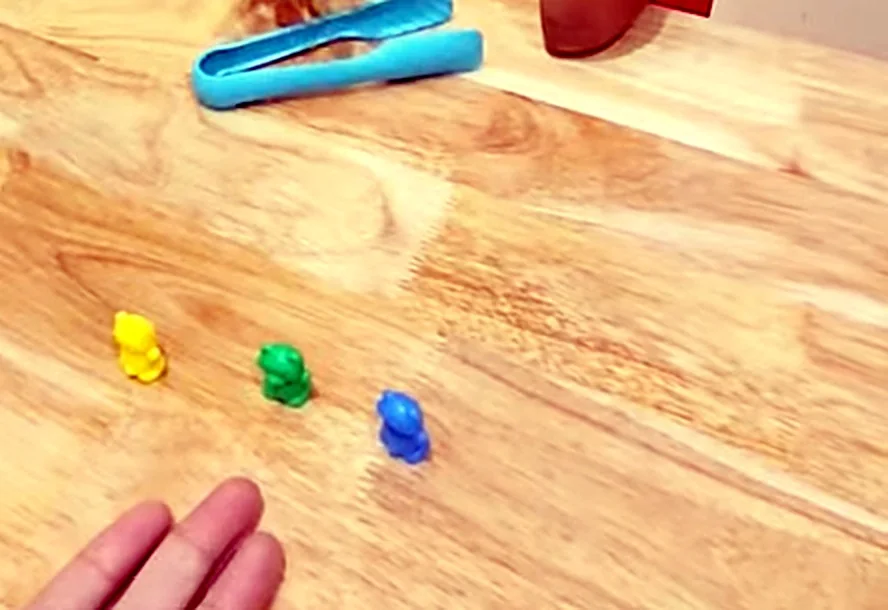
Why this helps: squeezing tongs strengthens the small muscles of the hand, and sorting by colour is early maths.
Letter matching
Big textured letter cards, matched in pairs and traced with a finger.
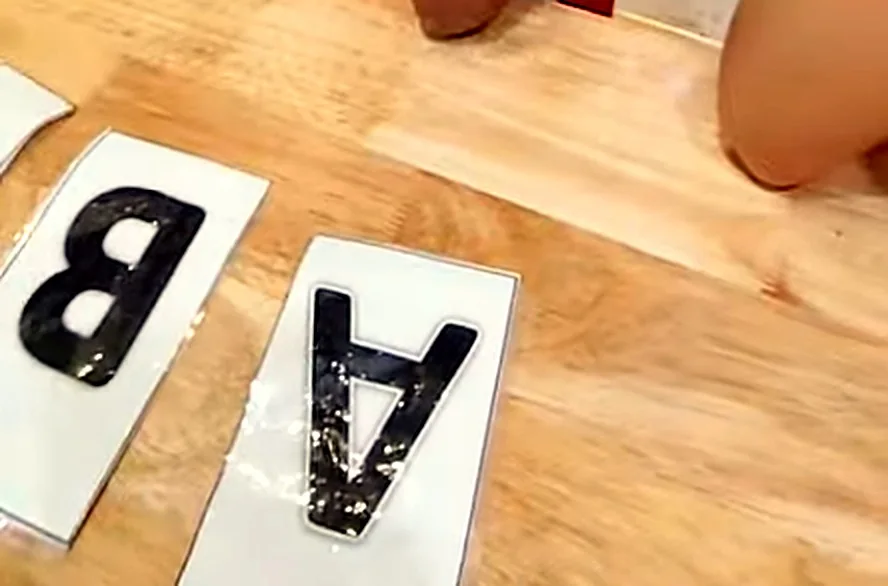
Why this helps: touching and tracing a letter while saying its name links what a child sees, feels and hears, a multi-sensory way to learn letters.
ONE teacher tip
Short tasks with a clear start and finish work better than one long one. Three small tasks, then a break.
Helping in the kitchen
Cucumber, carrot and bread for a shared snack plate. A teacher’s hands guide the child’s hands to cut, then step back as the child does more on their own.
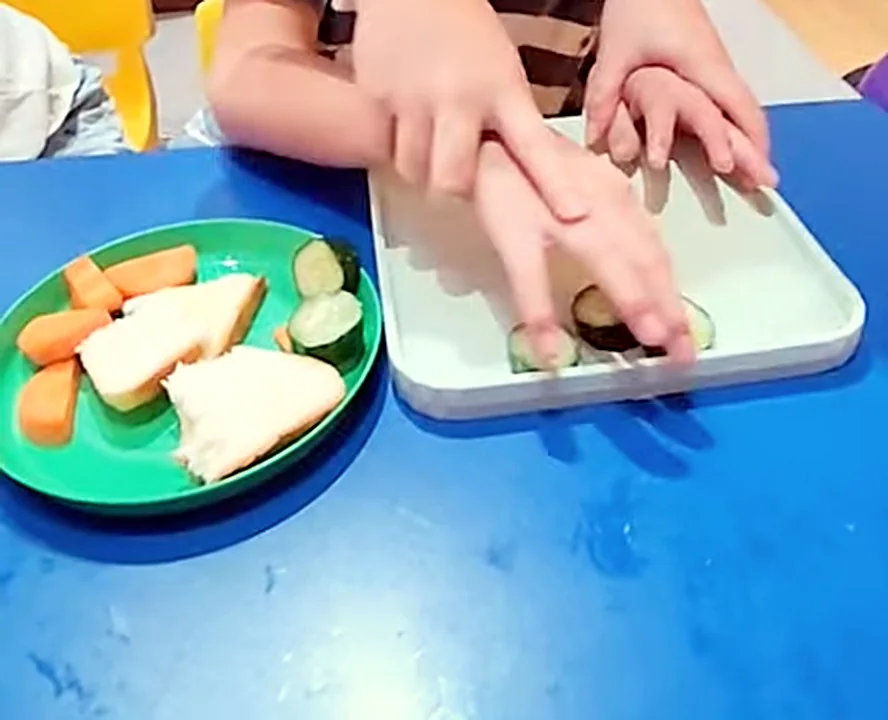
Why this helps: guiding a child’s hands first, then slowly letting go, is how many children learn a new step safely. Preparing food also helps children get used to new foods without pressure to eat them.
Out to the playground
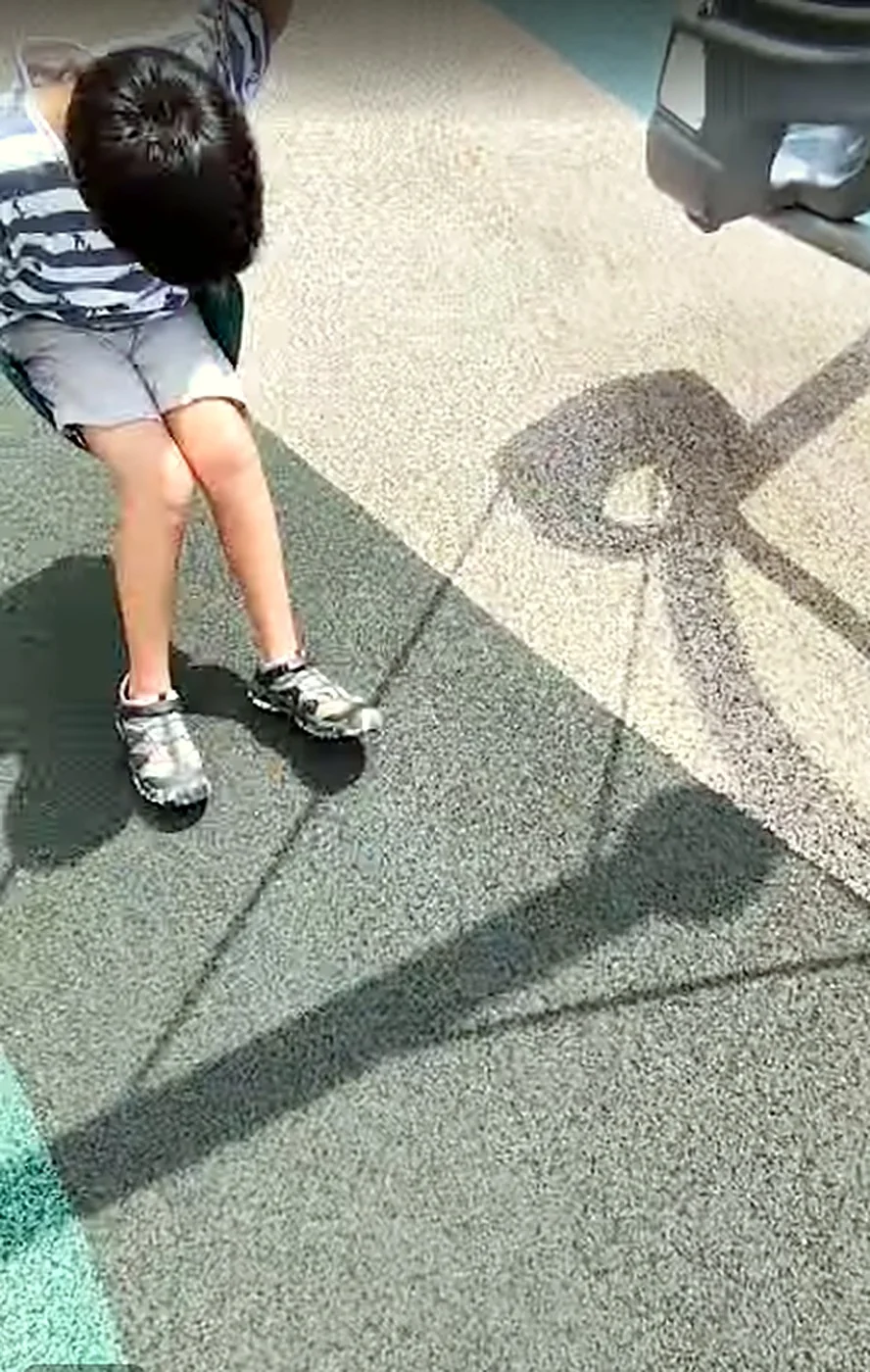
Swinging gives the body’s balance system a good workout. Some children love going high; others like it slow and steady.
Crawling through a rope net tunnel means planning where each hand and foot goes next.
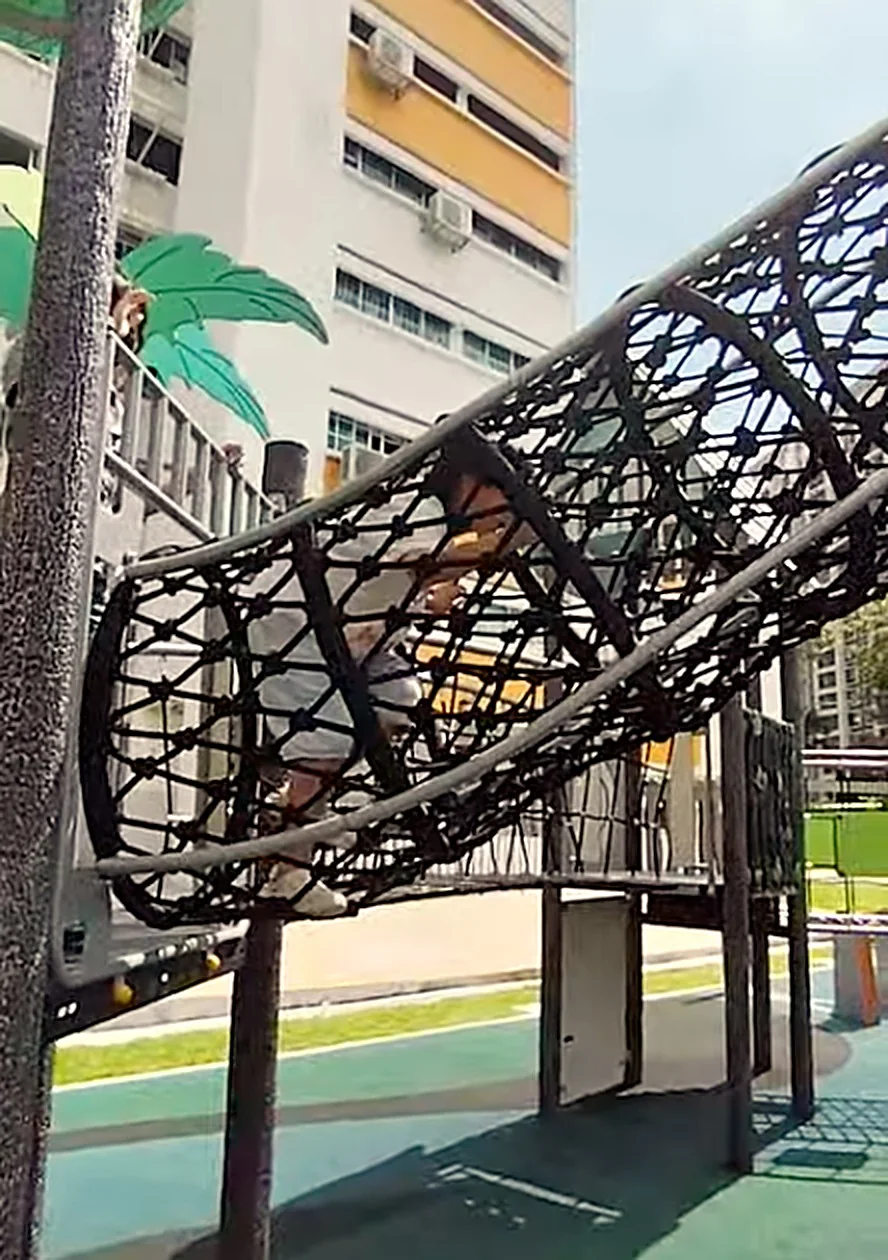
Why this helps: climbing, crawling and swinging build strength, balance and body planning. Many children find it easier to sit and focus after active play.
Try it at home this week
- Set up one small table task: pegs into play dough, or pom-poms picked up with kitchen tongs.
- Let your child help with one kitchen job, like washing vegetables or spreading.
- Get outside for active play, ideally before a task that needs concentration.
Free printable
Structured Teaching at Home Starter Kit
Picture schedule cards, First / Then and work boards, plus 3 simple shoebox tasks for home. Get the free PDF
More from A Day at ONE
A Day at ONE: Our Supermarket Outings (real photos from our classes)
Art Adventure Day at National Gallery Singapore: Our Class Outing (real photos from our classes)
“We guide their hands at first, then step back little by little. When a child does it alone for the first time, you can see how proud they are.”
— Jiaying, Associate Early Years Lead at ONE
An easy home version of our table tasks
You don’t need special equipment to practise the same skills at home. Kitchen things work beautifully:
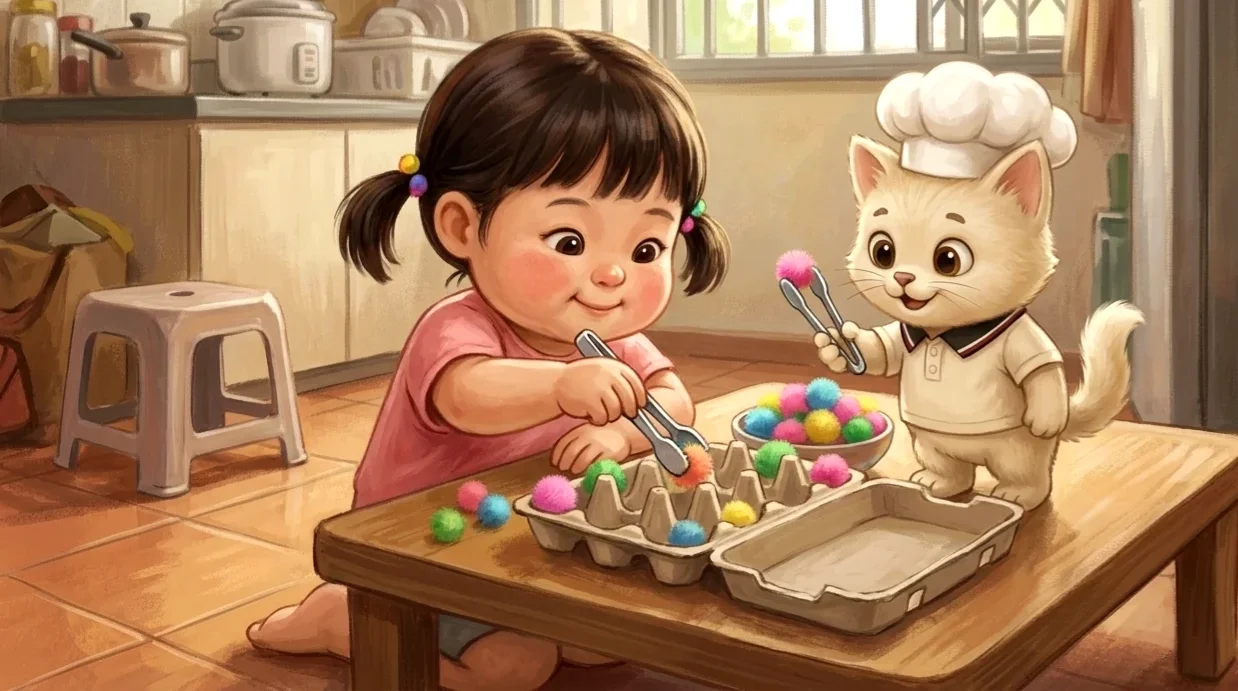
- Tongs and pom-poms: pick them up one by one and drop them into an egg tray.
- Pegs and a box: clip clothes pegs around the edge of a shoebox.
- Snack helper: let your child wash the vegetables or spread butter on bread.
If your child finds hand skills like these hard, read more about delayed milestones and how we help.
How ONE helps
Every child at ONE has a plan set by our child psychologist, in small classes of at most 3 children per teacher. Table-top tasks, practical life skills and movement are planned into the day in Early Intervention, School Readiness and our Life & Learning Programme.
Would you like to see a day at ONE for yourself? WhatsApp us to visit our centre, 5 minutes’ walk from Eunos MRT.
Questions parents ask
Why don’t you show the children’s faces?
We prefer to protect our children’s privacy, so we only share photos of hands, backs and activities.
Do the children go out every day?
Movement is part of every day at ONE. Outdoor trips depend on the class plan and the weather.
My child won’t sit at a table at home. Is that normal?
Many young children find it hard. Start with one short task your child enjoys, keep it to a few minutes, and end on a success.
How long should a table task be for a young child?
Short is best: two to five minutes, with a clear finish, then a movement break. Three short tasks work better than one long one.
This article is general information, not a diagnosis or medical advice. If you are worried about your child, speak to your paediatrician or polyclinic doctor.