
Who we help › Dyslexia
Dyslexia
Dyslexia Support in Singapore: the Orton-Gillingham Approach
Bright and curious, but finding reading and spelling much harder than expected? Our child psychologist-led team teaches reading the way dyslexic children learn best: structured, step by step and multisensory.
📍 Eunos, Singapore · 5 minutes from Eunos MRT, easy to reach from Paya Lebar, Bedok and Geylang
✓ Reviewed by Grace Teo, child psychologist (Master’s in Educational Psychology) · November 2026
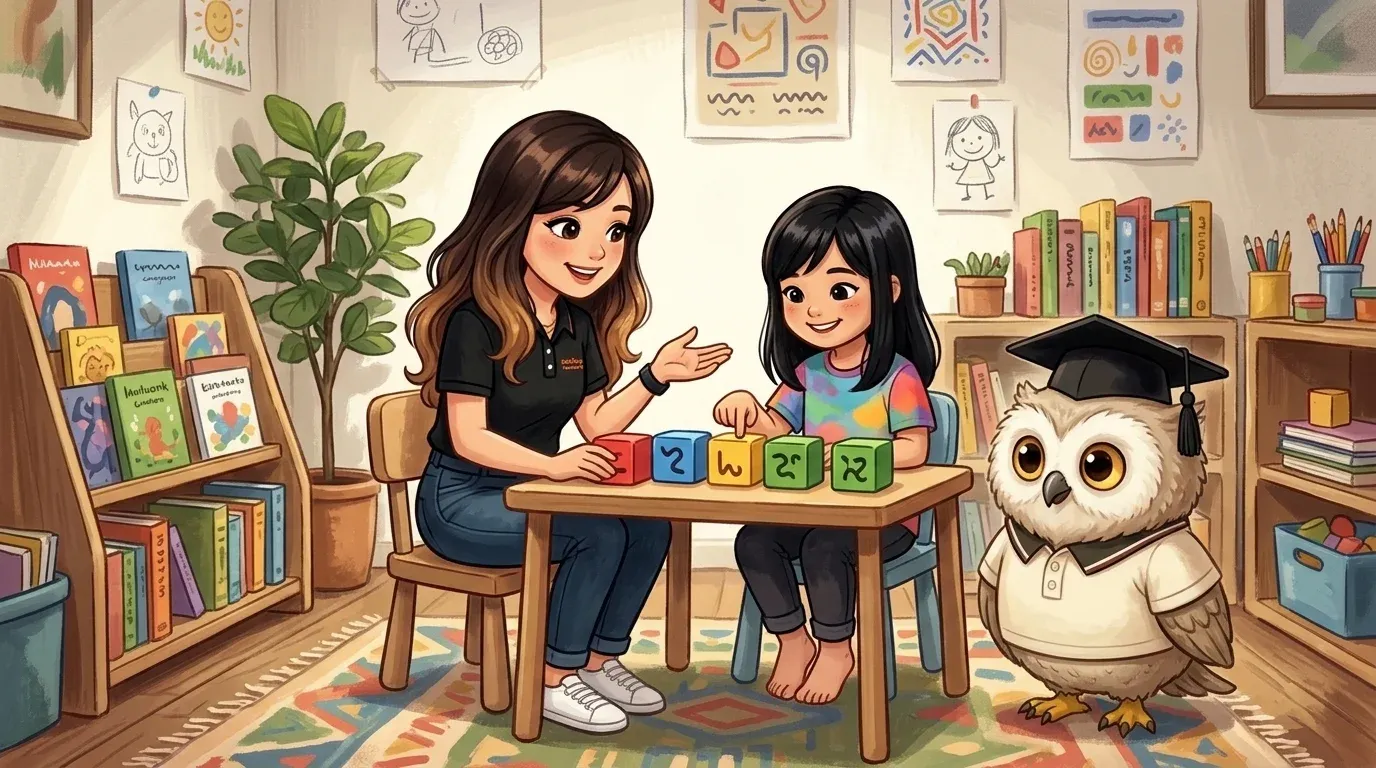
Signs you might notice
Dyslexia symptoms you might notice
Dyslexia has nothing to do with intelligence. With the right teaching, children learn to read, and to believe in themselves again.
- Reads slowly, guesses words or skips lines
- Spelling is very inconsistent, even for practised words
- Mixes up letters or sounds long after classmates
- Understands well when listening, but not when reading
- Avoids reading aloud or homework
- Someone in the family had similar difficulties
Our approach
What is the Orton-Gillingham (OG) approach?
At ONE in Singapore, dyslexia support is planned by our child psychologist and taught one-to-one using the Orton-Gillingham (OG) approach. Lessons move at your child’s pace and only build on what’s secure, and we work on confidence and organisation too, because years of struggling with reading take a toll.
Methods we useOrton-Gillingham, Structured tabletop activities, Multisensory learning and more
What is the Orton-Gillingham (OG) approach?Structured, multisensory reading taught step by step.
Orton-Gillingham is a structured, multisensory way of teaching reading and spelling. Children see, say, hear and write sounds together, for example tapping letter tiles or tracing letters while saying the sound, and learn how English works one rule at a time, with lots of review. It suits dyslexic learners because nothing is left to guesswork.
How ONE helps
Where we often start
Every child has goals in all 7 Pillars of Growth, set at the placement assessment. For Dyslexia, we often start here.


Programmes that fit
Where your child could start
Our psychologist recommends the right fit after meeting your child.
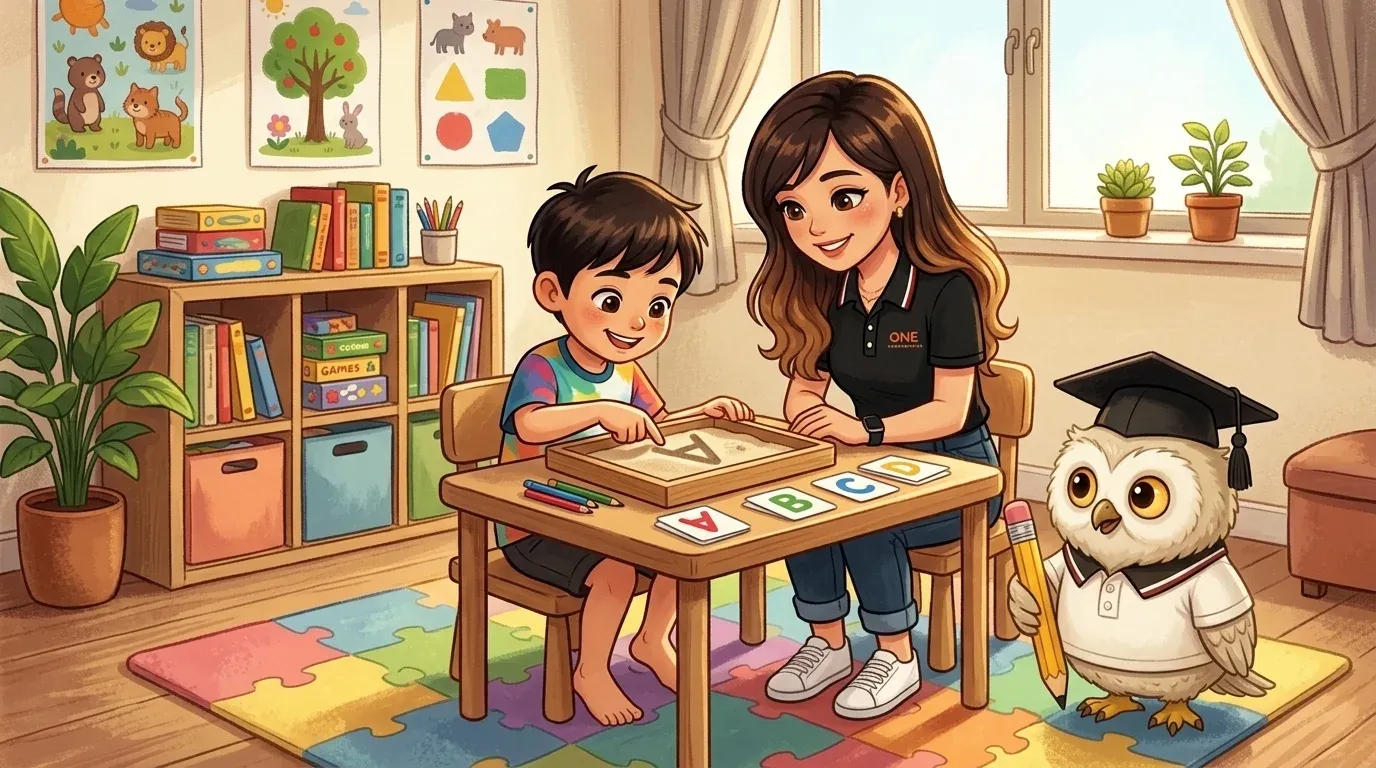 All ages1:1 Education Therapy
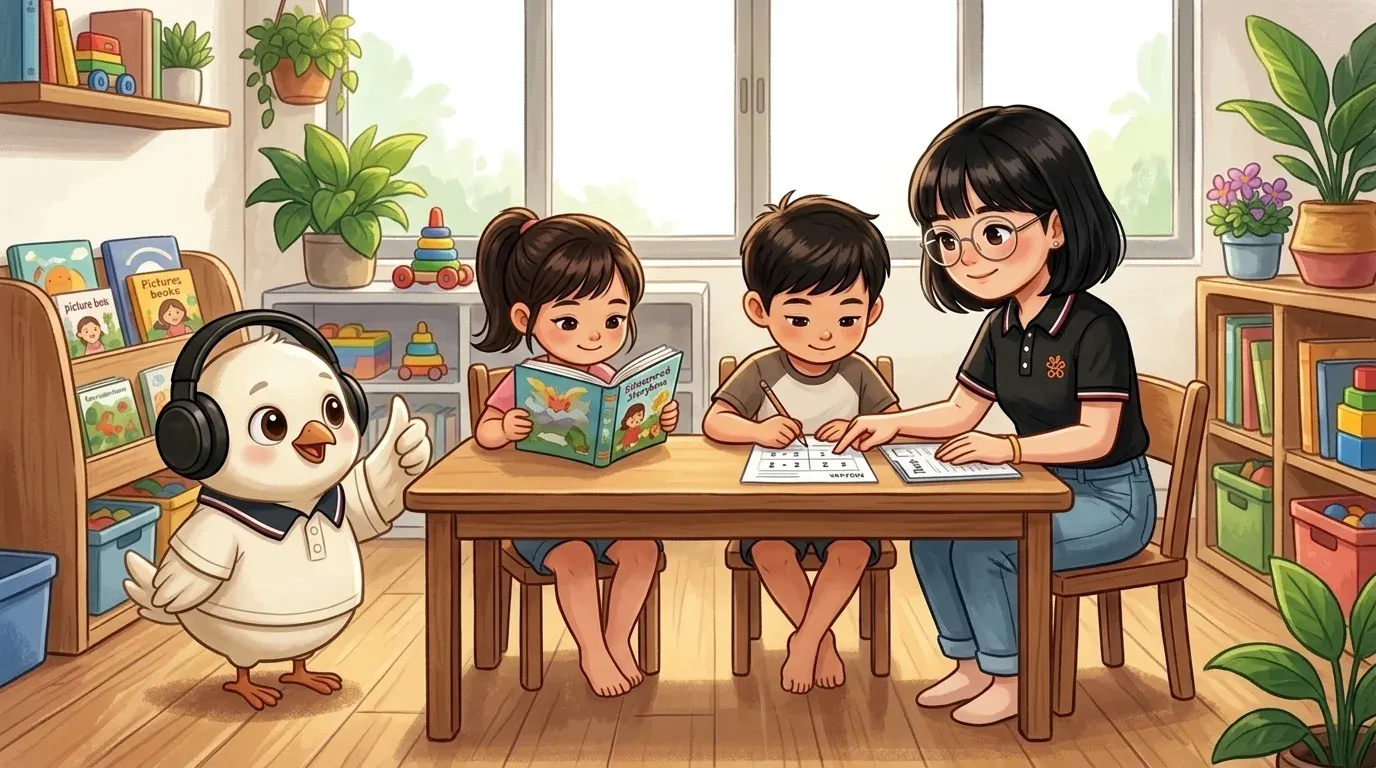 7 – 12Primary Plus
Getting a diagnosis
Dyslexia testing and assessment in Singapore
You don’t need a diagnosis to start at ONE. If you’d like a formal assessment, this is the usual route.
Assessments are usually done once formal reading instruction has started, often from around age 6 or 7.
Try at home
Three things you can start today
FAQ
Questions parents ask
Is there a dyslexia test online?
Online checklists can show warning signs, but only a formal assessment by a psychologist can diagnose dyslexia. If several signs on this page sound familiar, it’s worth talking to your child’s school or booking an assessment.
Is dyslexia considered a disability in Singapore?
Dyslexia is a specific learning difficulty, not a sign of low intelligence. In Singapore it’s recognised as a special educational need: schools provide support, and students with a professional diagnosis can apply for access arrangements in national exams.
How do I test for dyslexia in a 7-year-old?
Look for persistent difficulty linking letters and sounds, slow reading and very inconsistent spelling. A formal assessment by a psychologist confirms dyslexia. Our placement assessment isn’t a diagnosis, but it shows where to start teaching.
How do I help a dyslexic child read?
Structured, multisensory teaching works best: one sound or rule at a time, lots of review, and practice through seeing, saying and writing. At home, keep reading to your child, use audiobooks, and praise effort over speed.
Is Orton-Gillingham only for dyslexia?
No. It helps many children who find reading and spelling hard, with or without a diagnosis.
Is this the same as dyslexia tuition?
Not quite. Tuition usually follows the school syllabus. Our lessons rebuild the foundations of reading and spelling step by step, so your child can keep up with school more independently.
What age can my child start?
From when reading instruction begins, around 5 or 6, through primary school and the teen years. 1:1 is open to all ages.
Can we come on Saturdays?
Yes. 1:1 sessions run on weekdays and Saturdays.
What happens next
Four simple steps
No commitment until you’ve met us.
Every child grows at their own pace.
You don’t have to figure it out alone. Visit either centre and meet the team.
★ 5.0 on Google · We usually reply the same working day