Quick answer
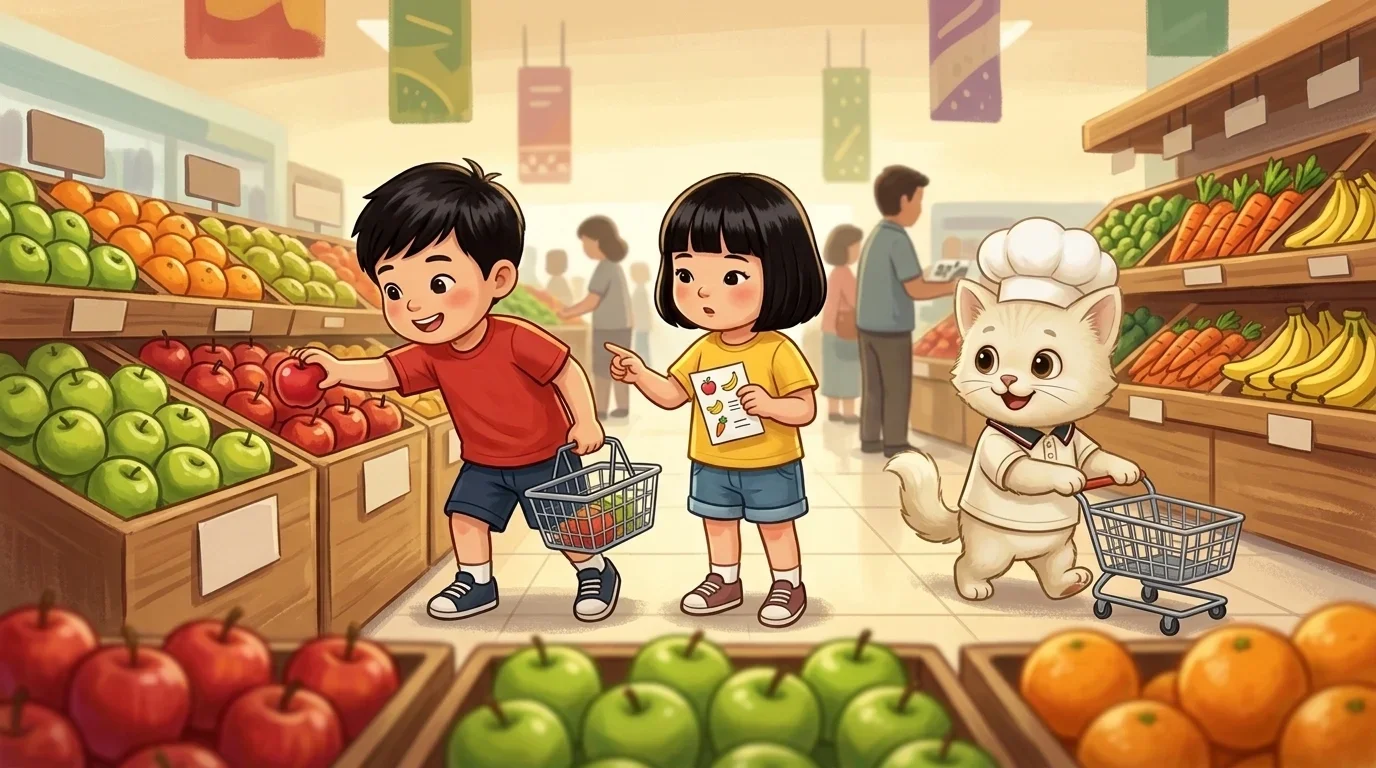
Supermarket outings are a regular part of learning at ONE. Our children practise walking in together, finding and choosing items, carrying a basket and putting things in, all in a busy, real place. Here is what our outings look like, why they matter, and how to start with your own child.
Bright lights, cold fridges, music, queues and hundreds of choices. A supermarket asks a lot of a child, which is exactly why we go.
These photos are from our recent supermarket outings. As always, no faces.
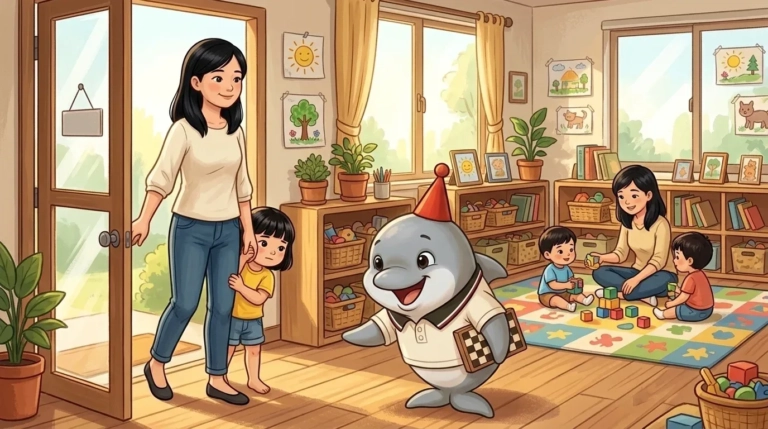
Walking in together
Every outing starts the same way: walking in together, close to a teacher, before anyone heads to the shelves.

Why this helps: a predictable start helps children feel safe in a busy place, and staying close is a safety skill we practise every time.
Finding and choosing
Standing at the chiller, looking along the shelves and deciding.
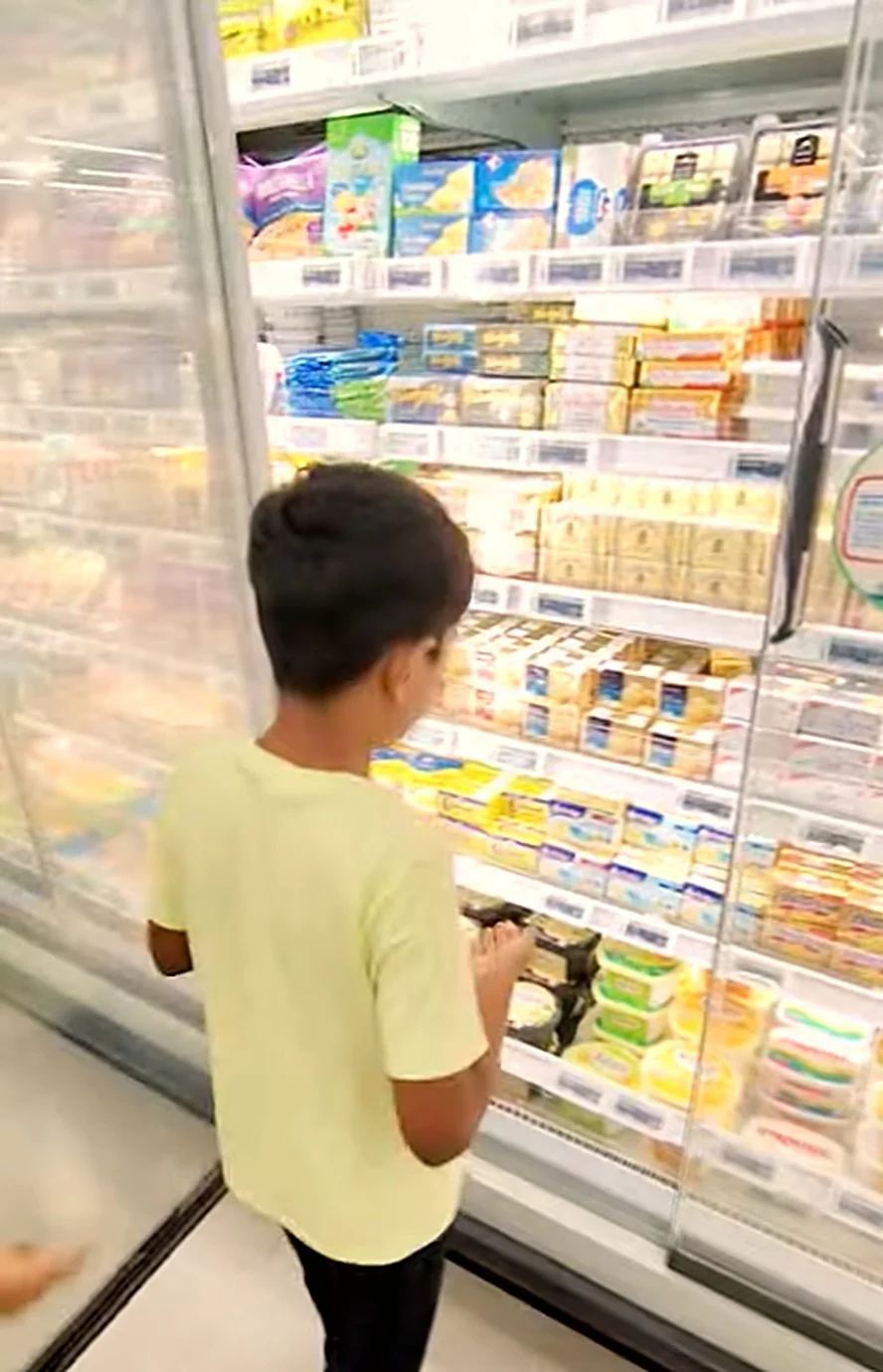
Why this helps: looking for one item among many builds attention and scanning, and making a choice builds confidence and language: “I want this one.”

Into the basket
Carrying the basket and putting items in is a job, and children love a real job.

Why this helps: carrying and placing items takes planning and body control, and having a clear job keeps a child focused when the place is busy.
Why we use the supermarket as a classroom
- Real-life reading and maths: picture lists, labels, counting and prices.
- Waiting: queues have a clear end, which makes them good practice.
- Coping with a busy place: noise and crowds, a little at a time.
- Independence: skills children will use for the rest of their lives.
Starting with your own child
- Go at a quiet time, such as a weekday morning.
- Bring a picture list of three items.
- Give your child one job: hold the list, carry the basket or find one item.
- Leave on a good moment, before your child gets tired.
ONE teacher tip
If it gets too much, move to a quieter aisle, take a short break, finish with one easy item and go home. Every short visit counts.
Free printable
Calm-Kit Packing List for Outings
What to pack, how to prepare and a “break” card for calmer days out. Get the free PDF
More from A Day at ONE
A Day at ONE: Pegboards, Snack Prep and the Playground (real photos from our classes)
Art Adventure Day at National Gallery Singapore: Our Class Outing (real photos from our classes)
“On the first trip, some children only held the basket. Now they find the items on the list themselves.”
— Dickson, Associate Centre Lead at ONE
“The supermarket is one of our best classrooms: reading, maths, waiting and coping with noise, all in one trip.”
— Grace Teo, Founder and Child Psychologist at ONE
Use a picture shopping list
A picture list gives a child a clear job and a clear end. When the three pictures are ticked, the trip is done.
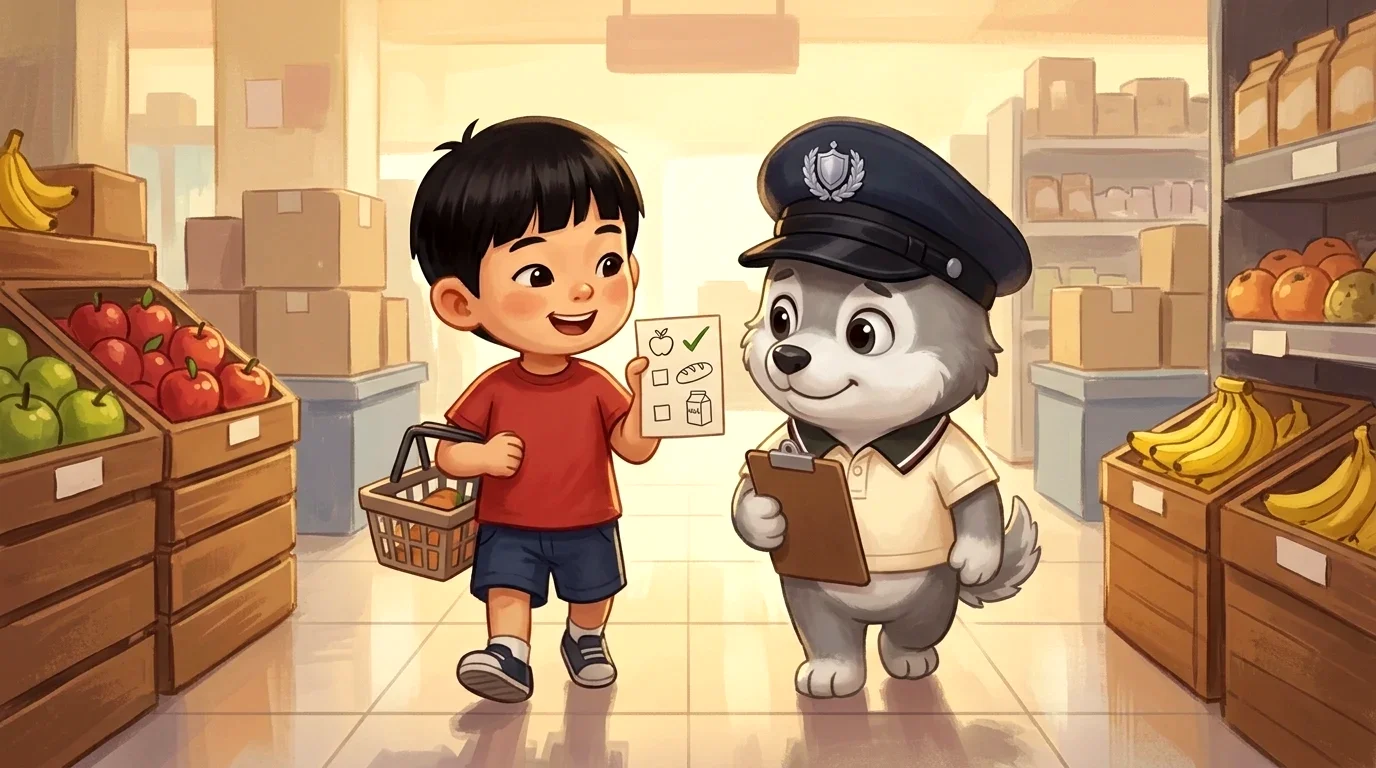
- Take photos of three things you need, or draw them.
- Let your child hold the list and the basket.
- Agree one safety rule before you go in: stay where you can see me.
- Tick each item, pay together, and leave on a good moment.
If busy shops often end in tears, read more about meltdowns and behaviour and how we help.
How ONE helps
Supermarket outings are part of our Life & Learning Programme for ages 7 to 12, where reading, maths and life skills are learned by doing them for real. Younger children practise the same steps in class first, with picture cards and pretend play, in Early Intervention and School Readiness.
Would you like your child to practise real-life skills like these? WhatsApp us to visit our centre, 5 minutes’ walk from Eunos MRT.
Questions parents ask
How many children go on each outing?
Outings are in small groups, with teachers close by the whole time.
What if a child gets upset at the supermarket?
We move to a quieter spot and offer a break. Leaving early on a calm note is always fine.
Why don’t you show the children’s faces?
We prefer to protect our children’s privacy, so we only share photos of hands, backs and activities.
What is the best time to take a child with sensory needs to the supermarket?
Weekday mornings are usually the quietest. Avoid weekends and after-school times when you can, and keep the first visits short.
This article is general information, not a diagnosis or medical advice. If you are worried about your child, speak to your paediatrician or polyclinic doctor.